
Junmai Sake
Junmai is the purest expression of sake brewing: rice, water, koji mold, and yeast, and nothing else. There is no minimum polishing ratio requirement for the Junmai designation, giving brewers the freedom to let the full character of the rice grain express itself. The result is sake with a bold, umami-rich personality that rewards those who appreciate texture and depth over delicate aromatics. Where Junmai Daiginjo charms with its floral perfume, Junmai grounds you in the fundamentals: the savory warmth of fermented grain, the earthiness of koji, and the satisfying weight of pure rice sake. It is the most food-friendly category in the sake world, pairing seamlessly with everything from hearty meat dishes to robust fermented foods. Crucially, Junmai is one of the few sake styles that genuinely improves when warmed. Served as nurukan (warm sake, ~45°C) or atsukan (hot sake, ~55°C), it opens into something deeply satisfying that no amount of chilling can replicate, a quintessentially Japanese drinking tradition.
Flavor Profile
Junmai delivers a broad, satisfying flavor spectrum centered on rice. Expect savory umami, a gentle earthiness from koji, and grain-forward warmth — quite different from the fruit-driven ginjo styles. The body is medium to full, with a lingering finish that evolves with food. When warmed, the savory depth intensifies dramatically, and new grain and cereal notes emerge. Junmai is the sake style that teaches you what fermented rice truly tastes like.
How to Serve
Junmai is the ultimate temperature-versatile sake. Enjoy it chilled (10–15°C) for crisp food-friendliness, at room temperature for full rice expression, or warmed (40–55°C) for the deepest, most comforting experience. Traditional ochoko or tokkuri (sake carafe) are the natural vessels. This is sake that belongs at the dinner table, not on a tasting flight.
Top Junmai Bottles
| Name | Brewery | Rating | Reviews | Polish |
|---|---|---|---|---|
| Gekkeikan Black & Gold | Gekkeikan USA | 4.4 | 6 | — |
| Hakutsuru Chika Sake Cup | Hakutsuru Sake Brewing Co.,Ltd. | 3.6 | 5 | 78% |
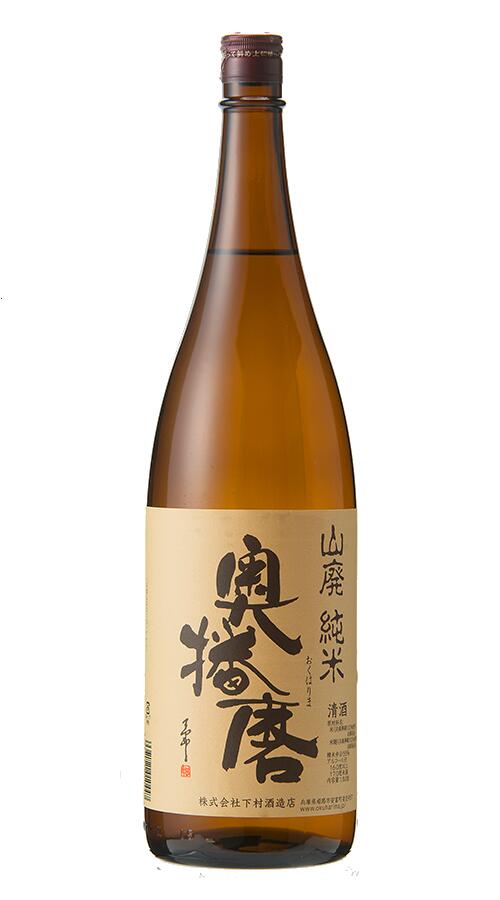 Okuharima Yamahaijunmai Standard Okuharima Yamahaijunmai Standard | Co.,Ltd Shimomura shuzoten | 3.5 | 5 | 55% |
| Akabu Jummaishu | Akabu Shuzo | 3.8 | 4 | 60% |
| SOTO Junmai Sake | — | 3.4 | 4 | 65% |
| Sawanoi Junmai Okarakuchi | Ozawa Shuzo Co.,Ltd. | 4.2 | 3 | 65% |
| Sharaku Junmaishu | Miyaizumi Meijo | 4.2 | 3 | 60% |
| Tanakarokujugo | Shiraito Sake Brewery | 3.8 | 3 | 65% |
| Kimto KUROSAWA Junmai 80 | Kurosawa Sake Brewery Co., Ltd | 3.8 | 3 | 80% |
| Zaku Ho no Tomo Junmai | Shimizu Seizaburo Shoten Ltd. | 3.3 | 3 | 60% |
| Gekkeikan Traditional | Gekkeikan USA | 3.0 | 3 | 70% |
| Yamahai Junmai Noguchi | Noguchishuzo Co.,Ltd | 2.7 | 3 | 65% |
| Takachou Bodaimoto Junmaishu | Yucho Shuzo Co., Ltd. | 4.6 | 2 | — |
| Kaze no Mori ALPHA1 | Yucho Shuzo Co., Ltd. | 4.6 | 2 | 65% |
| Gassan Houjun Karakuchi Junmai | Yoshida Sake Brewing Co.,Ltd. | 4.6 | 2 | 70% |
| Brooklyn Kura Blue Door - Junmai | Brooklyn Kura | 4.4 | 2 | — |
| Sho Chiku Bai Organic Nama | Takara Sake USA | 4.4 | 2 | 60% |
| Hakutsuru Organic Jummai | Hakutsuru Sake Brewing Co.,Ltd. | 4.3 | 2 | 70% |
| Shizenshu Junmaigenshu | Yuugengaisha niidahonke | 4.0 | 2 | 80% |
| Fure Junmai Nigori Genshu | Umetsu Shuzo Co.,Ltd | 4.0 | 2 | — |
| Hatsumago Junmaihonkarakuchi Makiri | Touhokumeijo Co., Ltd. | 4.0 | 2 | 55% |
| Takachiyo Karakuchi Junmai Plus19 Miyama Nishiki | Takachiyo Shuzo Co.,Ltd | 4.0 | 2 | 65% |
| Ozenoyukidoke Okarakuchi Junmai | Ryujin Shuzo Co Ltd | 4.0 | 2 | 60% |
| Kikumasamune Junmai | Kiku-Masamune Sake Brewing Co.,Ltd. | 4.0 | 2 | — |
| Hakutsuru Excellent Junmai | Hakutsuru Sake Brewing Co.,Ltd. | 3.8 | 2 | 70% |
| Shichihonyari Teiseihakujunmai 80%Seimai Hiire | Tomita Shuzo | 3.6 | 2 | 65% |
| Kagasetsubai Junmai | Nakamura Shuzo Co.,Ltd | 3.6 | 2 | 65% |
| Joto Junmai "The Green One" | Fuji Shuzo Co., Ltd. | 3.3 | 2 | 70% |
| Ozeki Classic Dry (Ozeki Sake Dry) | Ozeki Sake (U.S.A.), Inc. | 3.3 | 2 | 70% |
| Yukinobosha Yamahai Junmai | Saiya Shuzoten Co.,Ltd. | 3.1 | 2 | 65% |
| Koshinohomare Junmai Muroka Nama Genshu "90 Blue" | Hara Shuzo Co.,Ltd | 5.0 | 1 | — |
| Tanaka 1789 X Chartier Pavillon of Blend 001 | Tanaka Shuzoten Co.,Ltd | 5.0 | 1 | 60% |
| Juku 19 La fee des fleurs | OZAWA Sake Brewery Co.,Ltd. | 5.0 | 1 | 60% |
| Gozenshu Bodaimoto Nigori Nama | TSUJI CO., LTD. | 5.0 | 1 | 65% |
| Tsuchida Kimoto | Tsuchida Shuzo Co.,Ltd | 5.0 | 1 | 60% |
| Bo Tokubetujunmai Suisei Murokanamagensyu | Tonoikeshuzoten Co.,Ltd | 5.0 | 1 | 60% |
| Shochikubai Nama | TAKARA SHUZO CO.,LTD | 5.0 | 1 | — |
| Hanatomoe Mizumoto Kakeru Mizumoto | Miyoshino Jozo | 5.0 | 1 | 70% |
| Masuizumi Junmaisyu Sae | Masuda Shuzoten | 5.0 | 1 | 58% |
| Taiheizan Kimotojunmai Shingetsu | Kodama Brewing Co.,Ltd. | 5.0 | 1 | 59% |
| Kamotsuru Junmai Daiginjo Hiroshimanishiki | Kamotsuru Shuzo Co.,Ltd | 5.0 | 1 | 69% |
| Jozan Junmai Karakuchi Chou Jikagumi Nama | — | 4.8 | 1 | — |
| Gozenshu 1859 | TSUJI CO., LTD. | 4.8 | 1 | 65% |
| Momotose Gonen Chokijukusei Junmaishu | Fukumitsuya Sake Brewery Co.,Ltd | 4.8 | 1 | 65% |
| Gangi Junmai Ginjomurokanamagenshu no1 | YAOSHIN SHUZO Co.,Ltd. | 4.5 | 1 | 60% |
| Tsuchida Shin-Tuchida | Tsuchida Shuzo Co.,Ltd | 4.5 | 1 | 90% |
| Fukumusume Junmai | Oenon Holdings, Inc. | 4.5 | 1 | — |
| Chiebijin Love Pink | Nakano Shuzo Co.,Ltd | 4.5 | 1 | 70% |
| Sawaya Matsumoto Shuhari ID566 | Matsumoto Sake Brewing Co., Ltd. | 4.5 | 1 | — |
| Koimari Saki Junmaishu | Koimari Shuzo Co.,Ltd | 4.5 | 1 | 60% |
Food Pairings
Oden
A classic winter pairing — the savory dashi of oden and warm Junmai create perfect harmony.
Grilled Fatty Fish
Saba (mackerel) or sanma (Pacific saury) — the sake's umami cuts through oily richness beautifully.
Yakisoba
Street food and everyday sake — the savory, slightly sweet flavors align naturally.
Aged Cheese
The umami intensity of aged cheese (gouda, cheddar) pairs superbly with Junmai's depth.
Stewed Pork Belly
Rich, slow-braised pork finds its ideal sake match in the full-bodied warmth of Junmai.