
Junmai Ginjo Sake
Junmai Ginjo sits at the heart of premium sake, a style that balances the refined aromatics of higher-grade sake with the satisfying depth of pure rice brewing. With rice polished to at least 60% of its original size and no distilled alcohol added, Junmai Ginjo delivers the best of both worlds: the approachable fruitiness of ginjo brewing and the richer body of the junmai tradition. The result is sake with a pleasant, floral-fruity nose, think green apple, pear, and light citrus, alongside a rounder, more textured palate than you'd find in a Junmai Daiginjo. It's the everyday-premium style beloved by sake enthusiasts who want quality without the occasion-specific pricing of the top tier. Brands like Hakutsuru Junmai Ginjo, Suigei, and Kurosawa represent the style at its most accessible and expressive. Whether paired with a weeknight dinner or shared at a casual gathering, Junmai Ginjo is the versatile workhorse of the premium sake world.
Flavor Profile
Junmai Ginjo strikes an appealing balance between aromatic freshness and satisfying body. The nose offers green apple, ripe pear, and light citrus blossom — inviting but not as intense as Junmai Daiginjo. On the palate, there is a rounder, fuller texture that reflects the pure rice character: a gentle umami depth beneath the fruit. The finish is clean and medium-length, making it endlessly drinkable alongside food.
How to Serve
Serve lightly chilled at 10–15°C (50–59°F) to enjoy both the aromatic freshness and the rounded body. A white wine glass or tulip-shaped sake glass works well. Unlike Junmai Daiginjo, Junmai Ginjo can also be enjoyed slightly above room temperature — experiment to find your preference. Great for weeknight dinners and casual entertaining.
Top Junmai Ginjo Bottles
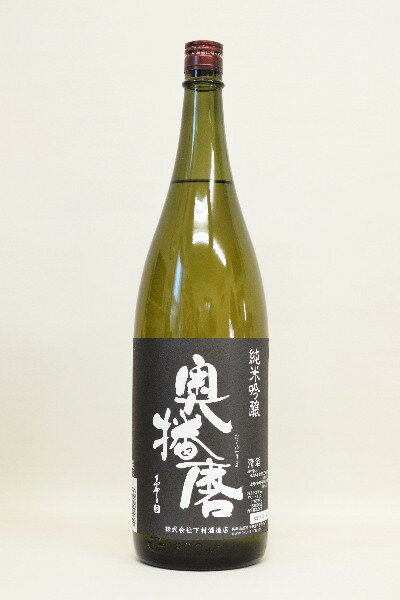 Okuharima Junmai Ginjo Chokara Black Hiire
Food Pairings
Grilled Chicken
The fruity freshness cuts through the savory char without competing — a natural match.
Tempura
Light, crisp tempura batter pairs beautifully with the sake's clean acidity.
Salmon Sashimi
The rounder body of Junmai Ginjo holds up well to the richness of salmon.
Pasta Aglio e Olio
Garlic and olive oil find a natural partner in the sake's fruity acidity.
Edamame
A classic izakaya combination — the sake's gentle fruit complements the fresh, green sweetness.