
Tomita Shuzo
冨田酒造有限会社
Bekannt für
Kennenlernen
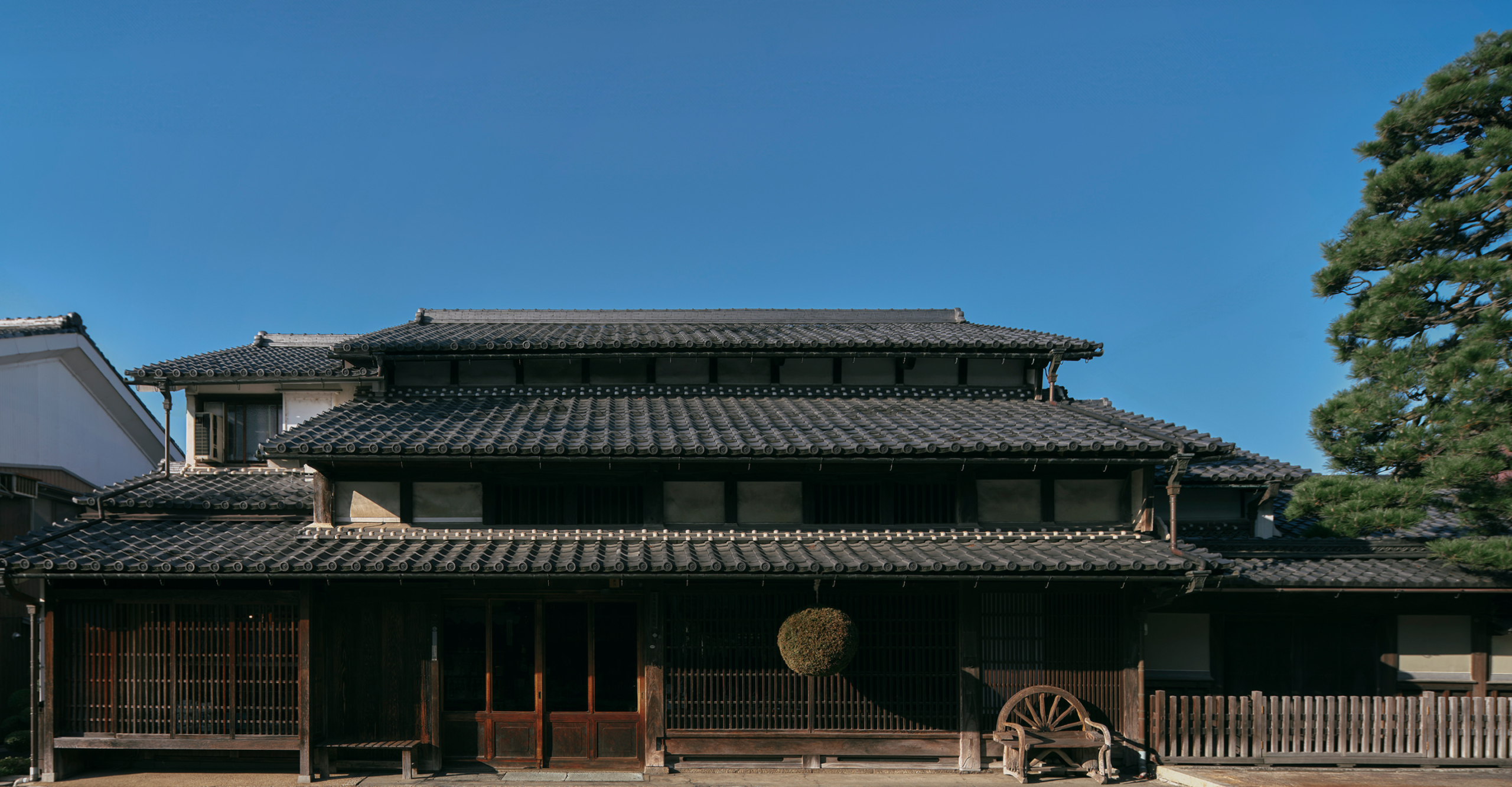
Eine Brauerei mit über 460 Jahren Geschichte entlang der Nordstraße am Fuß des Ibuki-Berges. Das Konzept betont den 'Terroir'-Aspekt des lokalen sake, und in Partnerschaft mit lokalen Landwirten widmet sie sich dem echten lokalen sake-Brauen mit dem Reis, dem Wasser und der Umgebung von Shiga.
- Gegründet
- 1534
- Hauptmarken
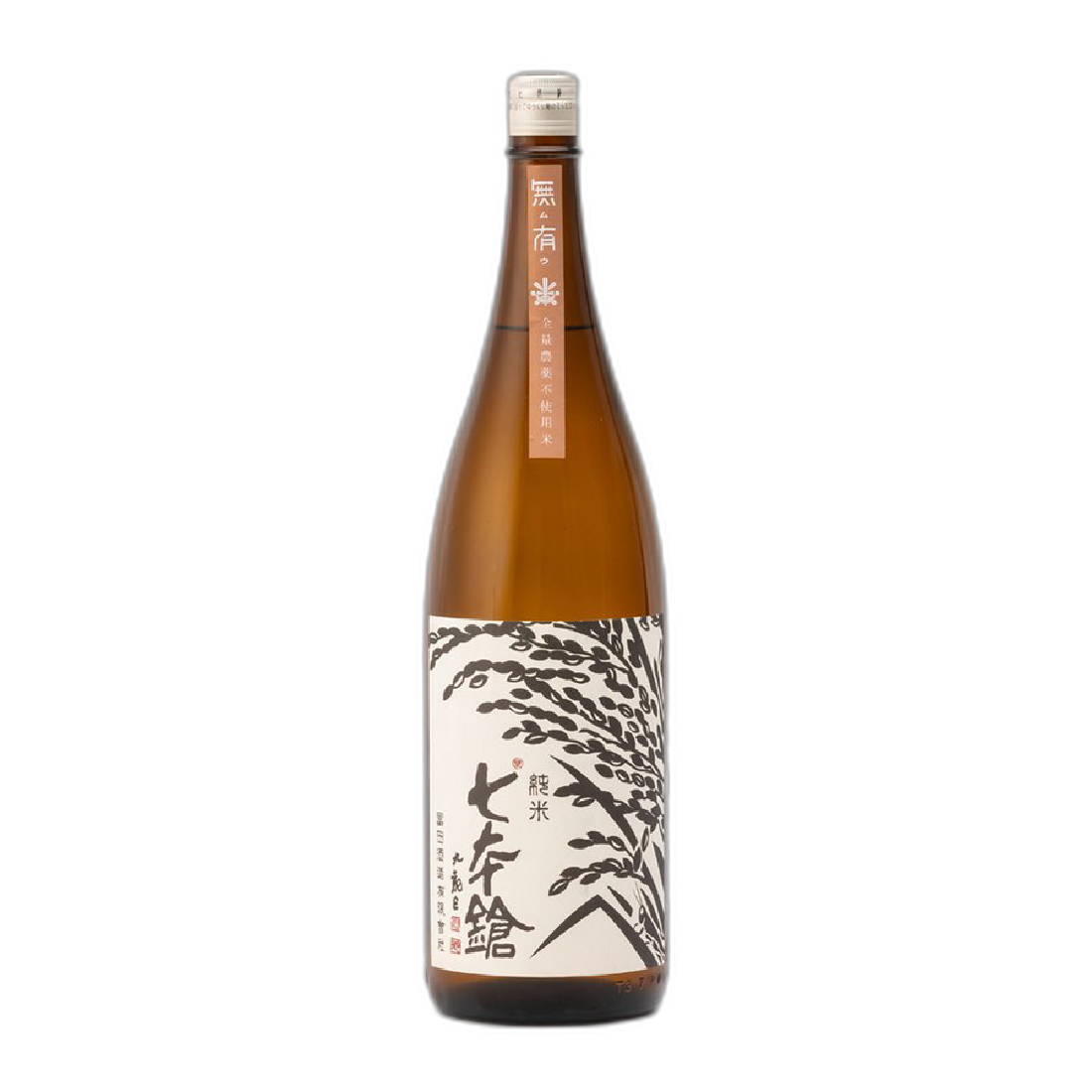
- Shichihonyari
- Sake-Typen
- Junmai · Junmai Daiginjo · Junmai Ginjo
- Standort
- Mehr Sake aus Shiga →
- Offiziell
- 7yari.co.jp · Instagram · Facebook
Besuchen
- Adresse
- 1107 Kinomoto Kinomotocho Nagahama Shiga
- Öffnungszeiten
- 9:00-17:00
- Führungen
- Nein
- Hofladen
- Ja
Kaufen
Niedrigster Preis und Shops: Japan
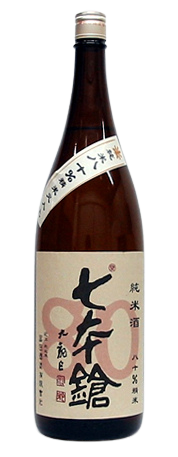
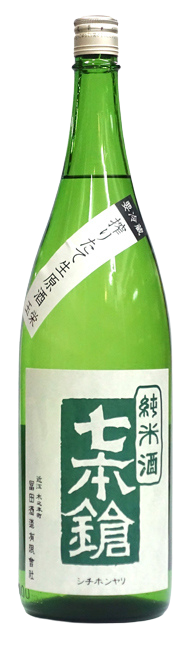
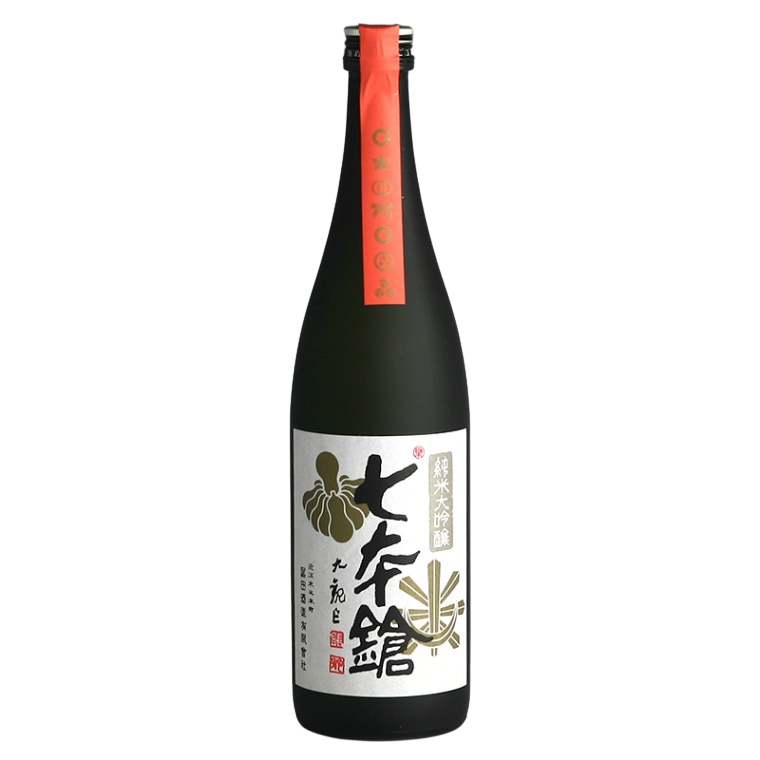
Shichihonyari
16 Sakes · ★ 3.8 (3 Bewertungen)- ¥3,300〜2 Shops
- ¥1,980〜6 Shops
- ¥3,190〜5 Shops
- ¥6,600〜1 Shop
- ¥3,850〜3 Shops
- ¥2,145〜4 Shops
- ¥2,200〜2 Shops
- ¥858〜7 Shops
- ¥3,740〜1 Shop
- ¥1,980〜2 Shops
- ¥1,430〜1 Shop
- Kein Preis
- Kein Preis
- Kein Preis
- Kein Preis
- Kein Preis







Meilensteine
- 1532〜1555Founded in the early Tenbun era (1532-1555); the first-generation Takayasu left samurai status and began brewing sake in Kinomoto.
- 1744After a fire in Kinomoto, the 7th-generation Tadayoshi relocated a building from western Omi to rebuild the main house; registered in 2019 as a national Tangible Cultural Property, among the oldest townhouses in Kinomoto.
- 1812The 9th-generation Tadayuki rebuilt the brewery storehouse; the same well water is still used for brewing today.
- 1878During Emperor Meiji's tour of Hokuriku, Tomobumi Iwakura, part of the imperial entourage, stayed at the Tomita residence.
- 1907The Kohoku Library near Kinomoto Station opened, one of Japan's oldest surviving private libraries; the 12th through 14th generations of the family served as its directors.
- 2002The 15th-generation Yasunobu joined the brewery, transforming it into an 'owner-toji' brewery where the owner brews the sake himself.
- 2005Began exporting overseas under the philosophy of bringing Japanese sake to the world as 'SAKE'.
- 2016Expanded the brewing storehouse using traditional construction with old and local timber, restarting aged sake storage, kimoto brewing, and wooden-vat fermentation.