
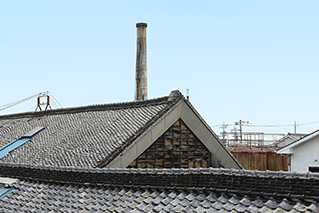
Découvrir
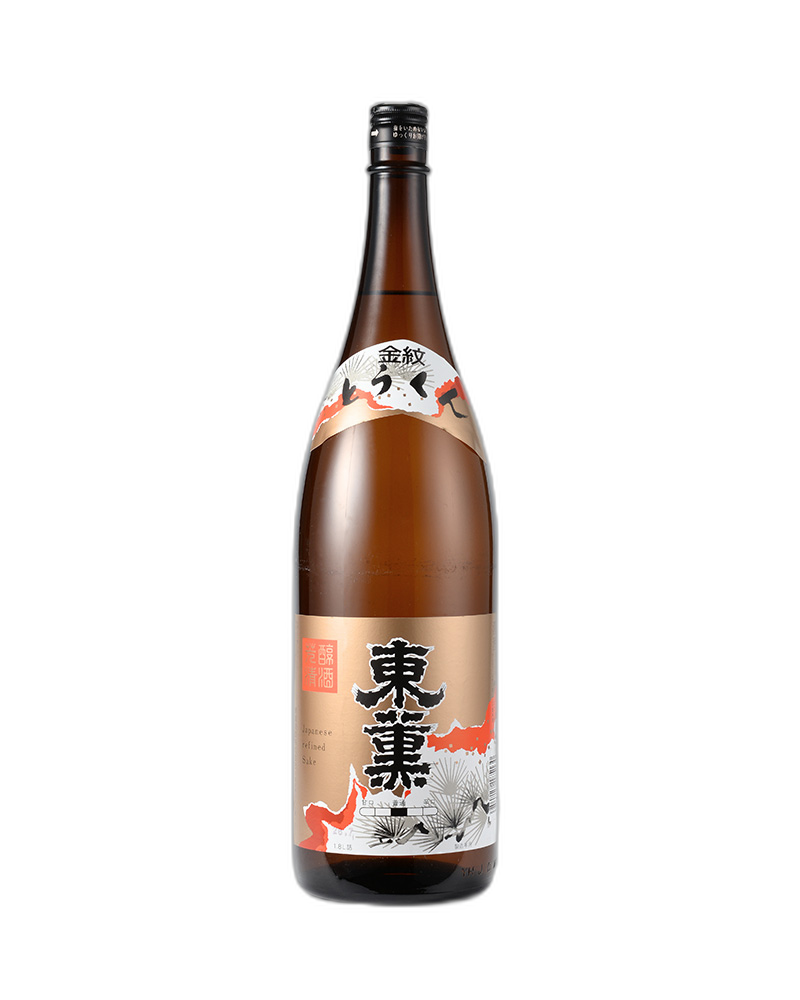
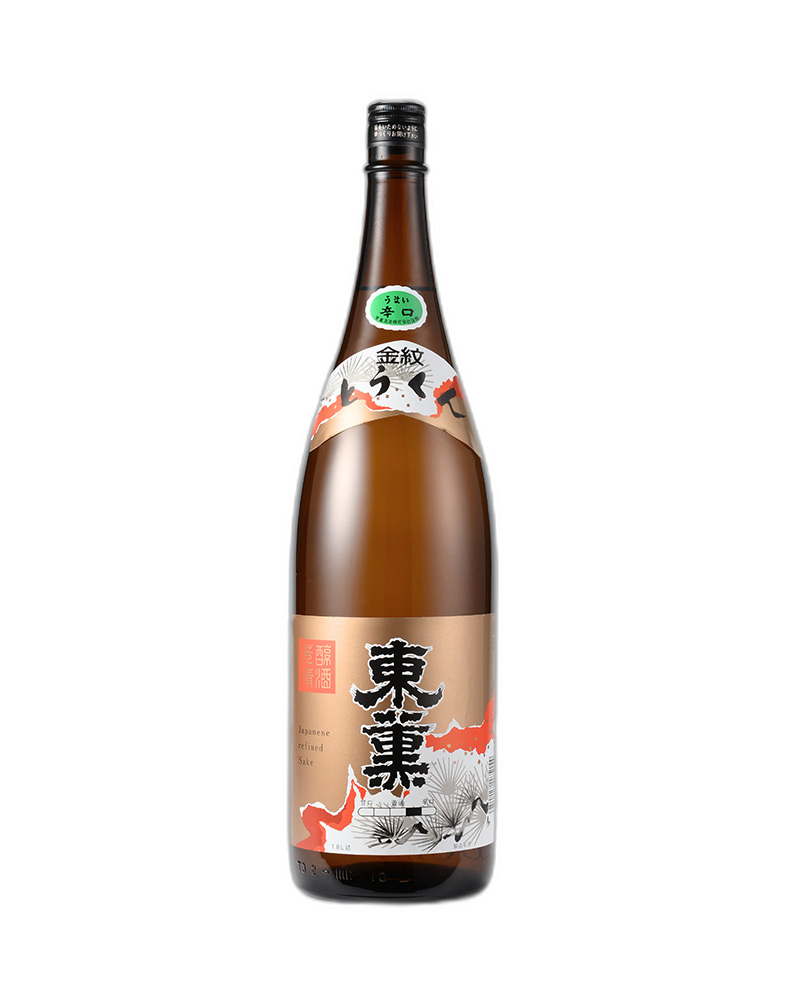
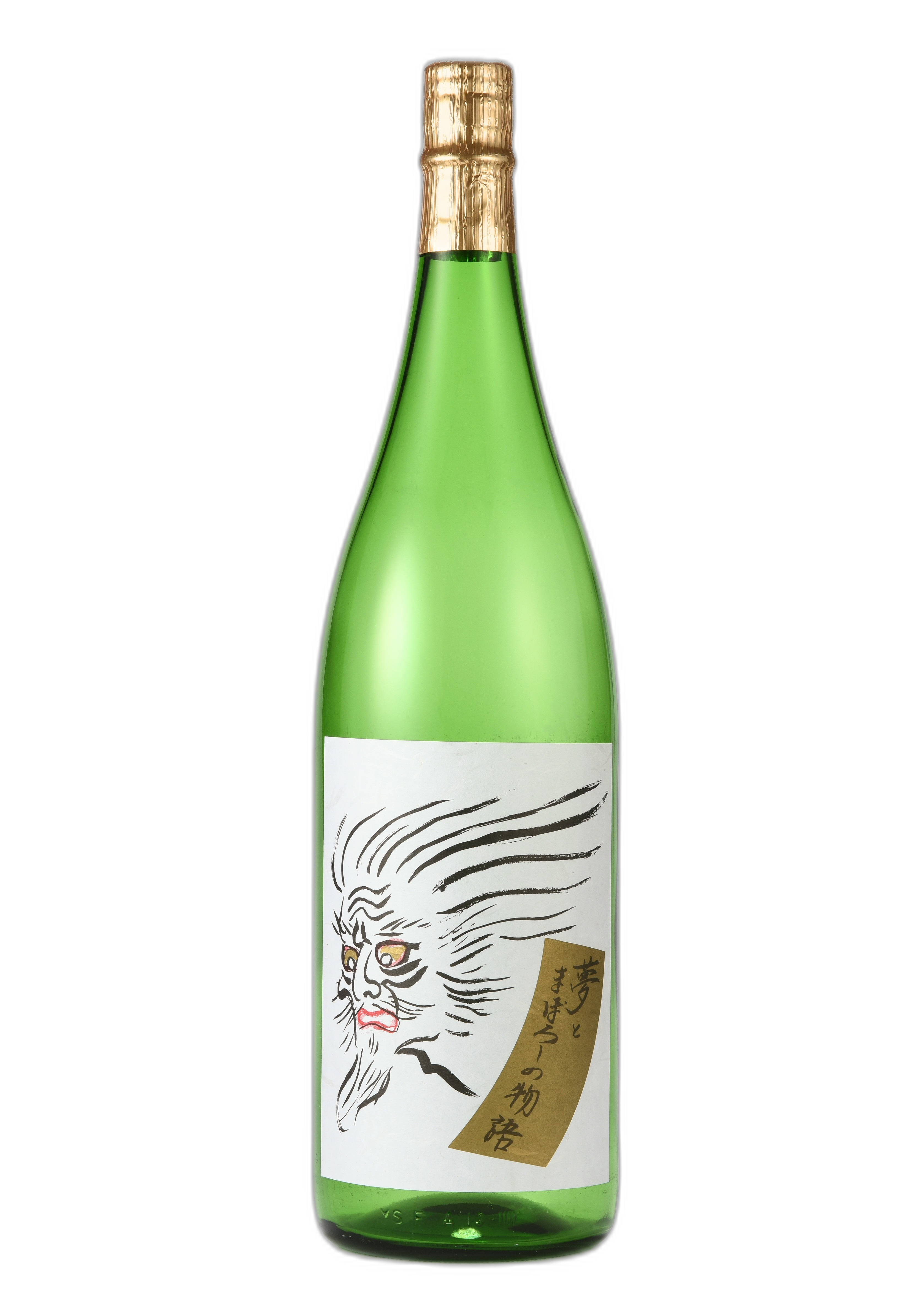
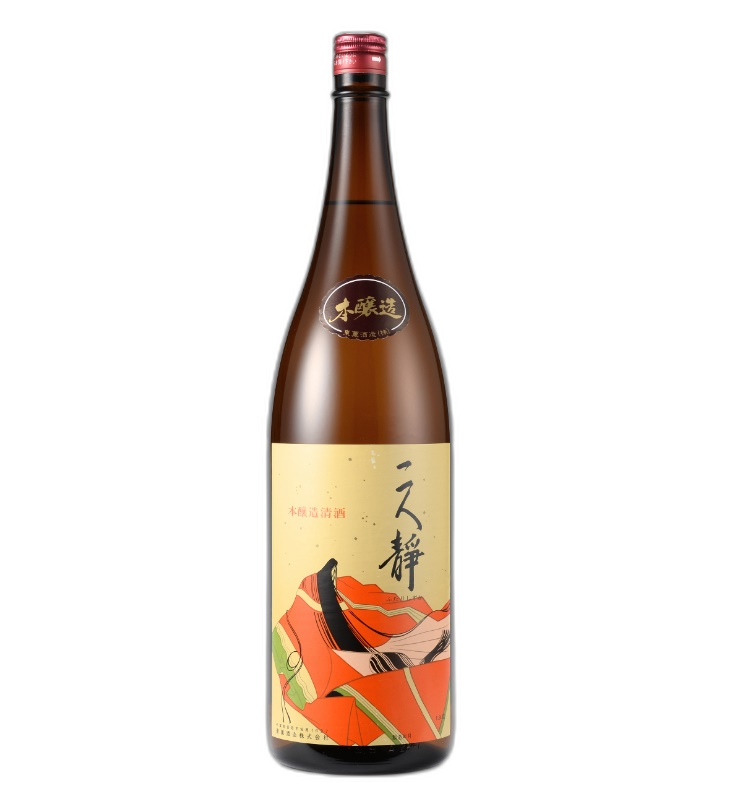
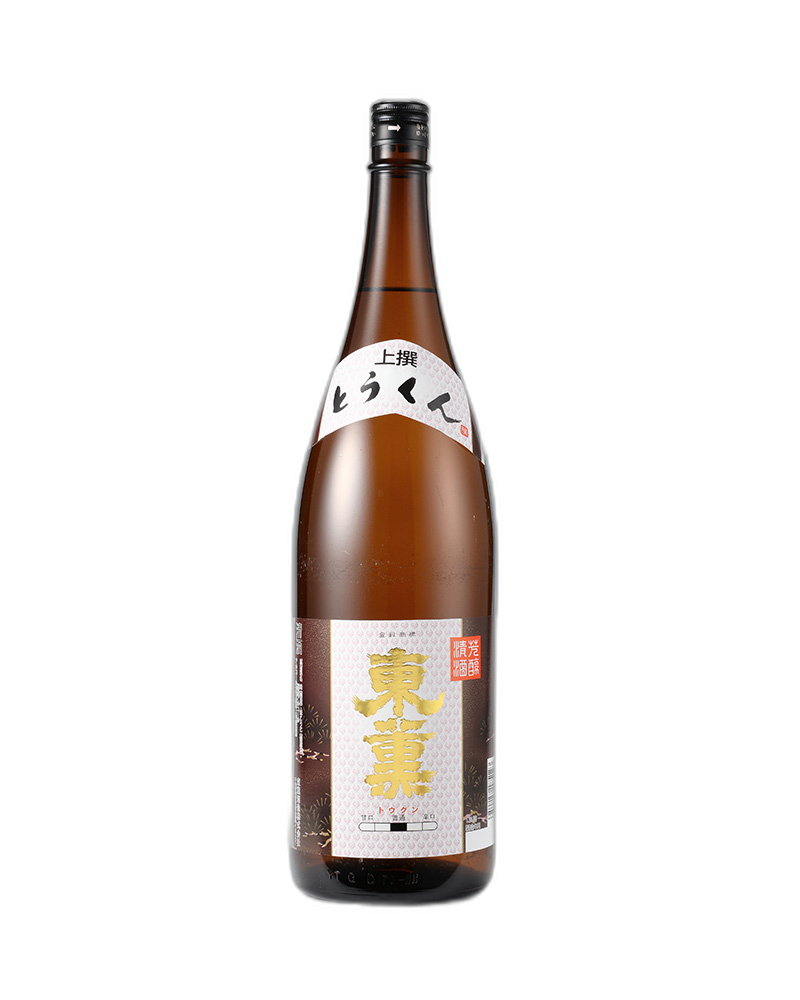
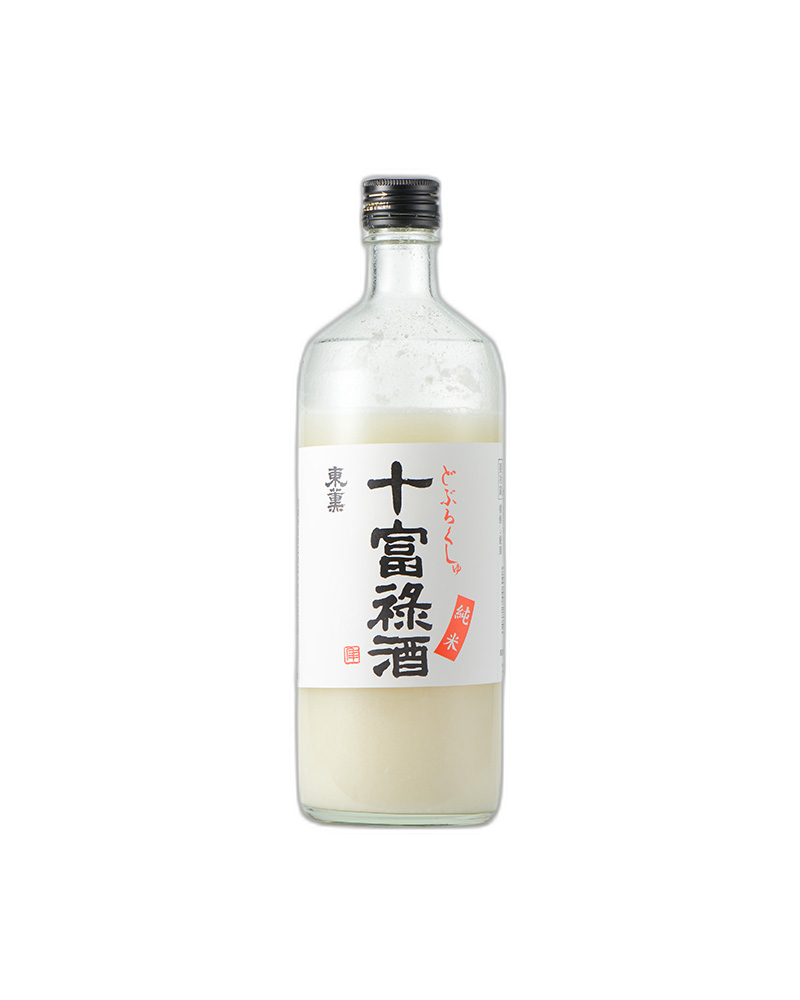
Fondée en l'an 8 de Bunsei. Le Daiginjo 'Kano' et 'Higashi Kaoru' ont acquis une grande popularité, tout comme le 'Yume-do', élaboré à partir de riz cultivé sous contrat localement.
- Fondée en
- 1825
- Marques phares
- Tokun
- Types de saké
- Honjozo · Junmai Ginjo · Junmai · Daiginjo · Ginjo · Tokubetsu Junmai · Junmai Daiginjo
- Lieu
- Plus de saké de Chiba →
- Officiel
- tokun.co.jp · Instagram · Facebook
Visiter
- Adresse
- 627 Sawara Lee Katori Chiba
- Visites
- Oui (Sur réservation)
- Boutique
- Oui
Acheter
Prix le plus bas et nombre de boutiques : Japon
Tokun
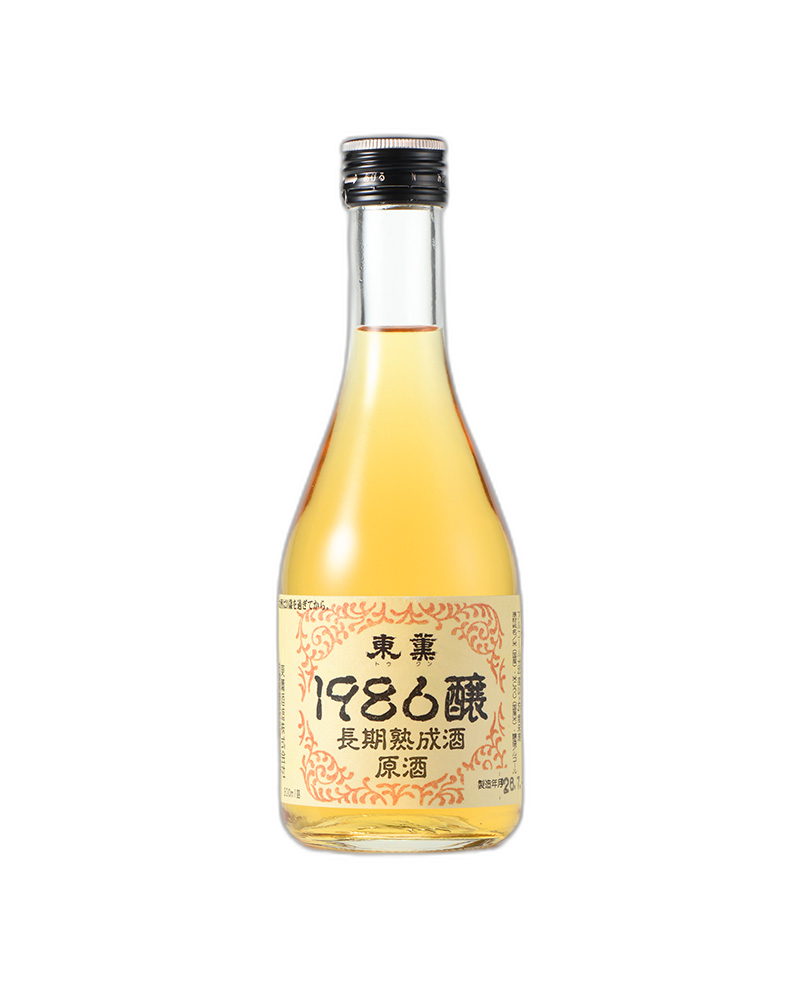
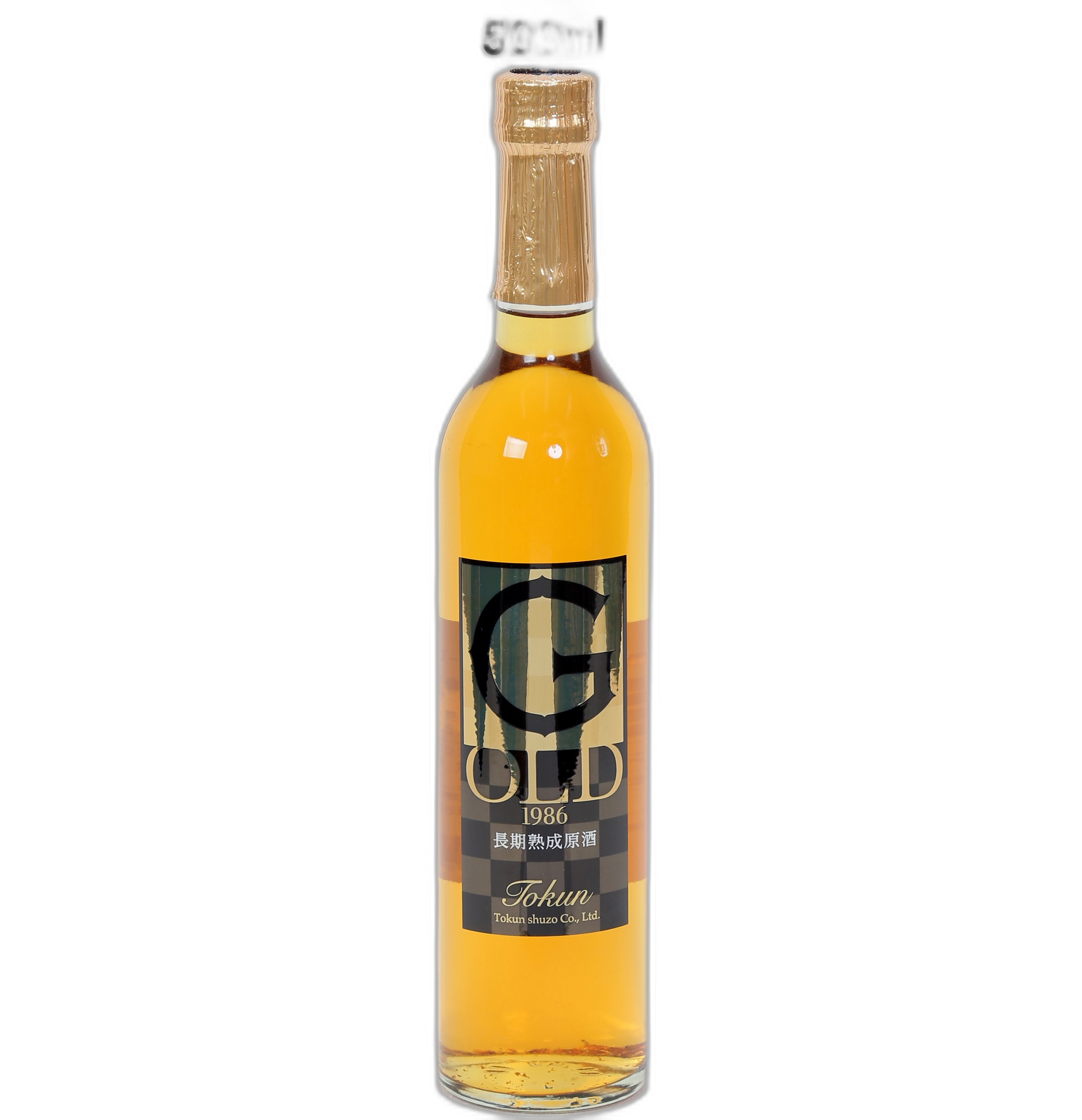
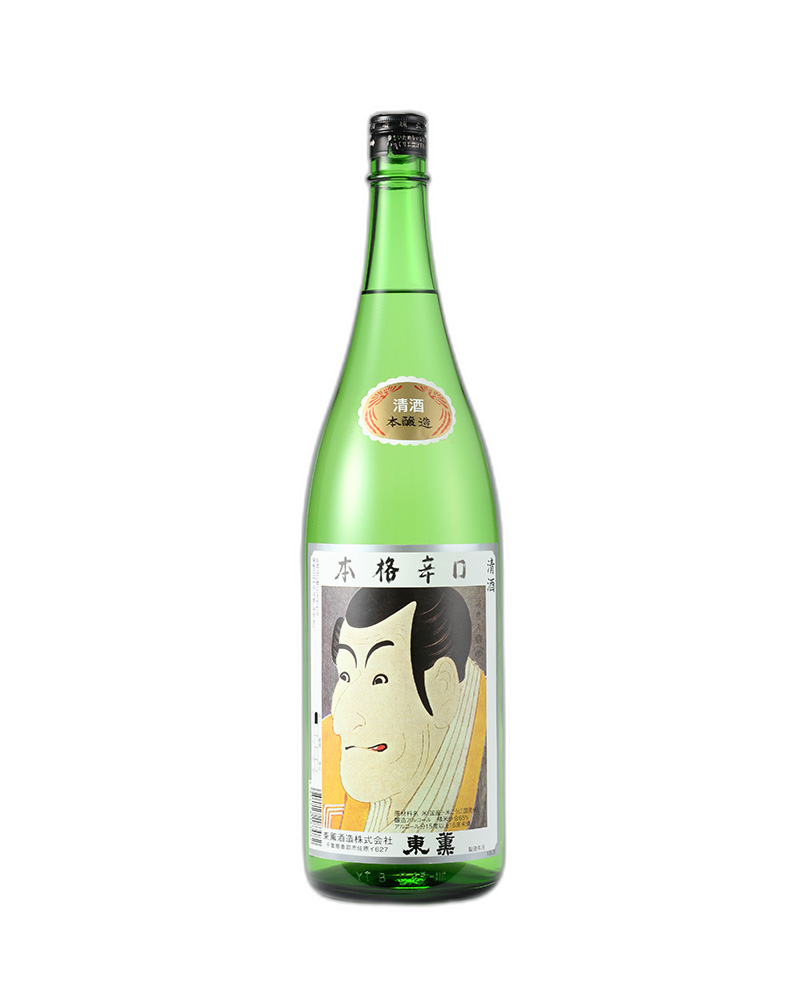
6 sakés · Pas encore d’avis- ¥5,132〜2 boutiques
- ¥2,200〜3 boutiques
- ¥1,141〜3 boutiques
- ¥4,980〜1 boutique
- Pas de prix
- Pas de prix


Autres sakés
15 sakés · Pas encore d’avis- ¥27,060〜1 boutique
- ¥27,060〜1 boutique
- ¥4,980〜1 boutique
- ¥1,068〜17 boutiques
- ¥462〜17 boutiques
- ¥1,540〜18 boutiques
- ¥1,870〜1 boutique
- Pas de prix
- Pas de prix
- Pas de prix
- Pas de prix
- Pas de prix
- Pas de prix
- Pas de prix
- Pas de prix





Repères
- 1661-1673In the early Edo period, Ino Saburoemon purchased a sake brewing license (koku rights) from Ushibori Heihachiro of Hitachi (present-day Ibaraki) and began sake brewing in Sawara.
- 1787By the mid-Edo period, there were 35 sake breweries in the single village of Sawara, earning the area the nickname 'Kanto Nada,' a rare distinction outside the famous Nada region.
- 1825Toukun Shuzo was founded in Shimousa Sawara during the flourishing Bunsei era (Bunsei 8).
- 1826The Nagasawa and Ino families, then the two largest sake brewers in the area, both transferred their brewing licenses to others.
- 1839Fourteen soy sauce makers were recorded in Sawara in 1839, reflecting the town's broader brewing and fermentation industry at the time.
- 1900By Meiji 33 (1900), the number of sake breweries in the region had grown to 237.
- 1935By Showa 10 (1935), the number of sake breweries in the region had fallen to 124.
- 1945By Showa 20 (1945), the number of sake breweries in the region had declined further to 66.