
🍶
简介
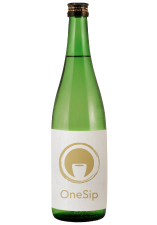
以真庭、濑户、高岛三个产地为题,推出「雄町三部曲——产地篇」,每块田地各酿一款。在统一精米度、酵母等基本规格的同时,坚守「不刻意追求,顺势而为」的酿造理念。不人为控制温度与发酵天数,而是将发酵交托给米的潜力。通过将土壤孕育的产地特性融入发酵,能更深切地感受到米本身的个性与差异。濑户町:位于岡山縣东南部的最佳栽培地,旧赤磐郡濑户町。沙质土壤昼夜温差大,以濑户町雄町分会为核心,种植着品质最高的雄町。麹米使用了「御前酒美峰町项目」指定田地收获的特别栽培米。这是一款可以自信称之为「卓越之作」的纯米酒。
规格
风味特征
内敛
华丽
轻快
浓醇
根据类别与精米步合推算,并非实测值。
清酒类型What is Junmai?
Pure rice sake with rich umami depth — the everyday staple of Japan.
Learn more about Junmai购买渠道·价格
Loading prices...
评论
打卡与评论 (0)
还没有评论,来做第一个吧!
辻本店株式会社
冈山县
辻本店于江户时代末期1859年在冈山县创业,以"雄町的未来由雄町来酿造"为主题,专注于日本最古老的酒米"雄町",坚持单一品种酿造。尽管风格纯粹,却以多样化的表现形式充分发挥雄町的潜力,创造出丰富多彩的风味。第七代蔵主辻聡一郎与其妹辻美都子(冈山县首位女性杜氏)共同掌舵,并率先在全国复兴"菩提元"酿造法,成为酒藏的一大特色。
创立1804
品牌御前酒
地址116 Katsuyama Maniwa Okayama


该酒造的其他清酒
搭配
菜品类型参考
根据该清酒的类别得出的一般参考,并非针对这一款酒的分析。Yakitori (Salt)
Japanese
Shabu-shabu
Japanese
Mixed Hot Pot
Japanese
Chawanmushi
Japanese
Yakitori (Tare)
Japanese
Simmered Fish
Japanese
Oden
Japanese
Dashimaki Tamago
Japanese