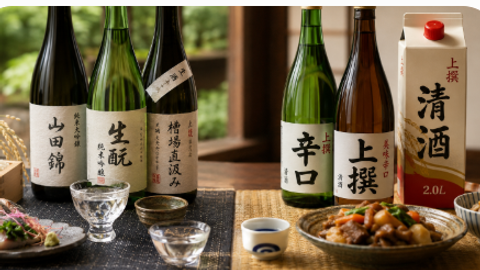

Prices below are typical for 720 ml bottles at shops outside Japan at the time of writing (US shelf prices), and they change often.
What Sake Meter Value Actually Measures
Sake Meter Value, written nihonshudo (日本酒度) in Japanese and shortened to SMV on most English labels, is a measurement of specific gravity. It compares the density of the sake, measured at 15 degrees Celsius, to pure water at 4 degrees Celsius, the point where water is at its densest and used as the zero baseline.
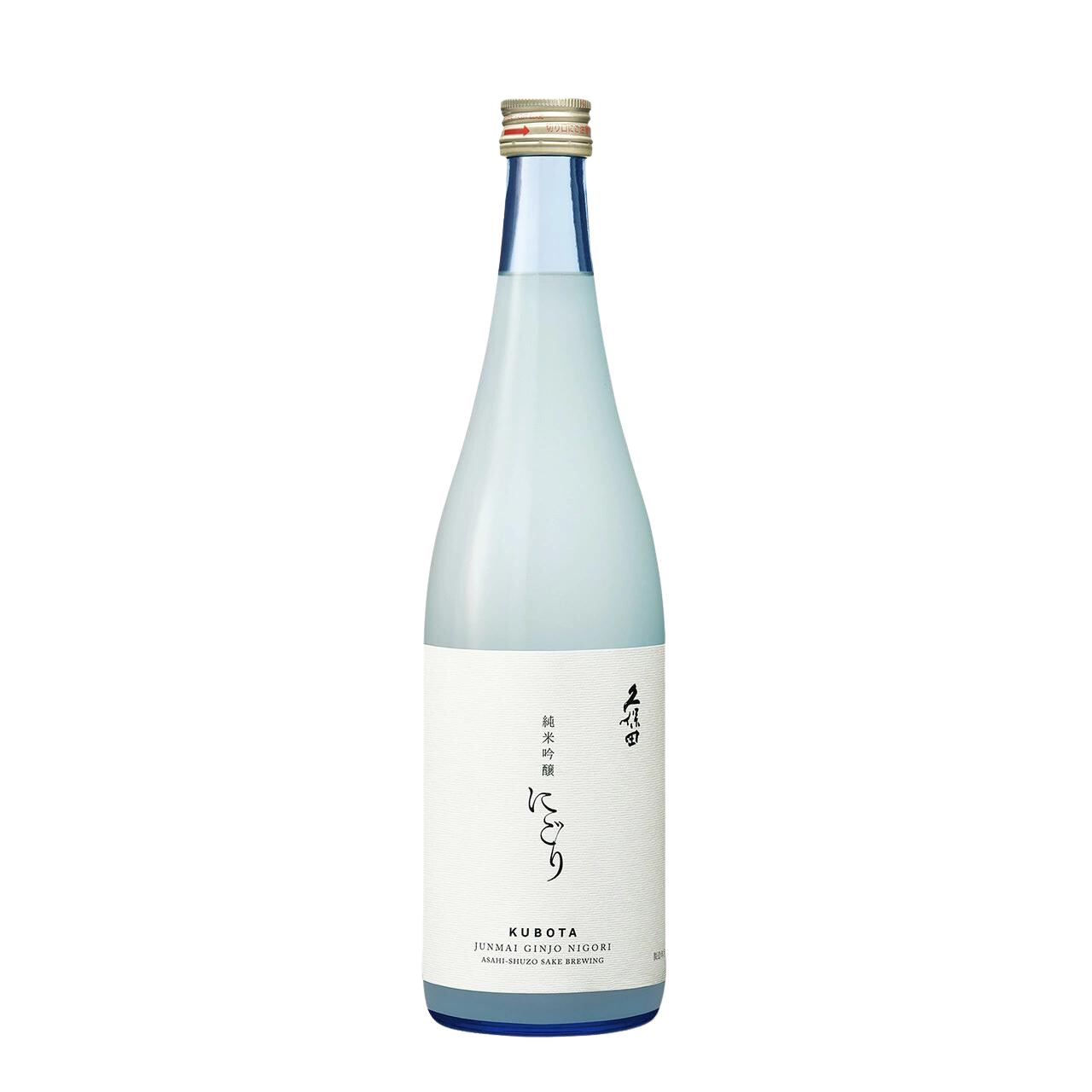
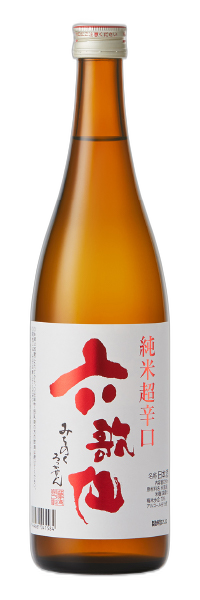
Sugar left over from fermentation makes a liquid denser than water, so the hydrometer floats higher, and on the sake meter that reads as a negative number. A sake with more residual sugar and less converted alcohol reads negative, like Kubota Junmai Ginjo Nigori at an SMV of minus 35. A sake where more of that sugar has fermented into alcohol is lighter than water, so the hydrometer sinks lower and the meter reads positive, like Rokkasen Junmai SuperDry at plus 15.
That's the whole measurement: how a hydrometer sits in the sake relative to water. It says nothing directly about acid, aroma, or body, which is why two sakes with the same SMV can taste completely different in the glass. On OneSip product pages, SMV and acidity appear in the specs whenever the brewery publishes them.
Reading the Scale, From Sweet to Bone Dry
Most references use a rough scale. Anything below minus 5 reads as sweet, with very sweet nigori style sakes often falling well past minus 20. Around 0 is considered neutral or balanced. From plus 5 up you're in dry territory, and plus 10 or higher is usually labeled very dry or extra dry.
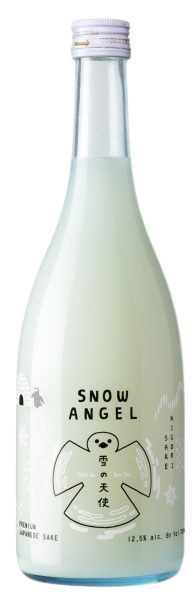
- Minus 20 and below, sweet, often nigori style: Kubota Junmai Ginjo Nigori (minus 35), Yuki no Tenshi Snow Angel (minus 20)
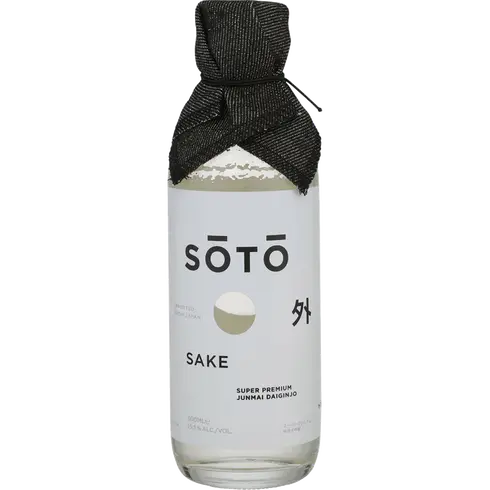
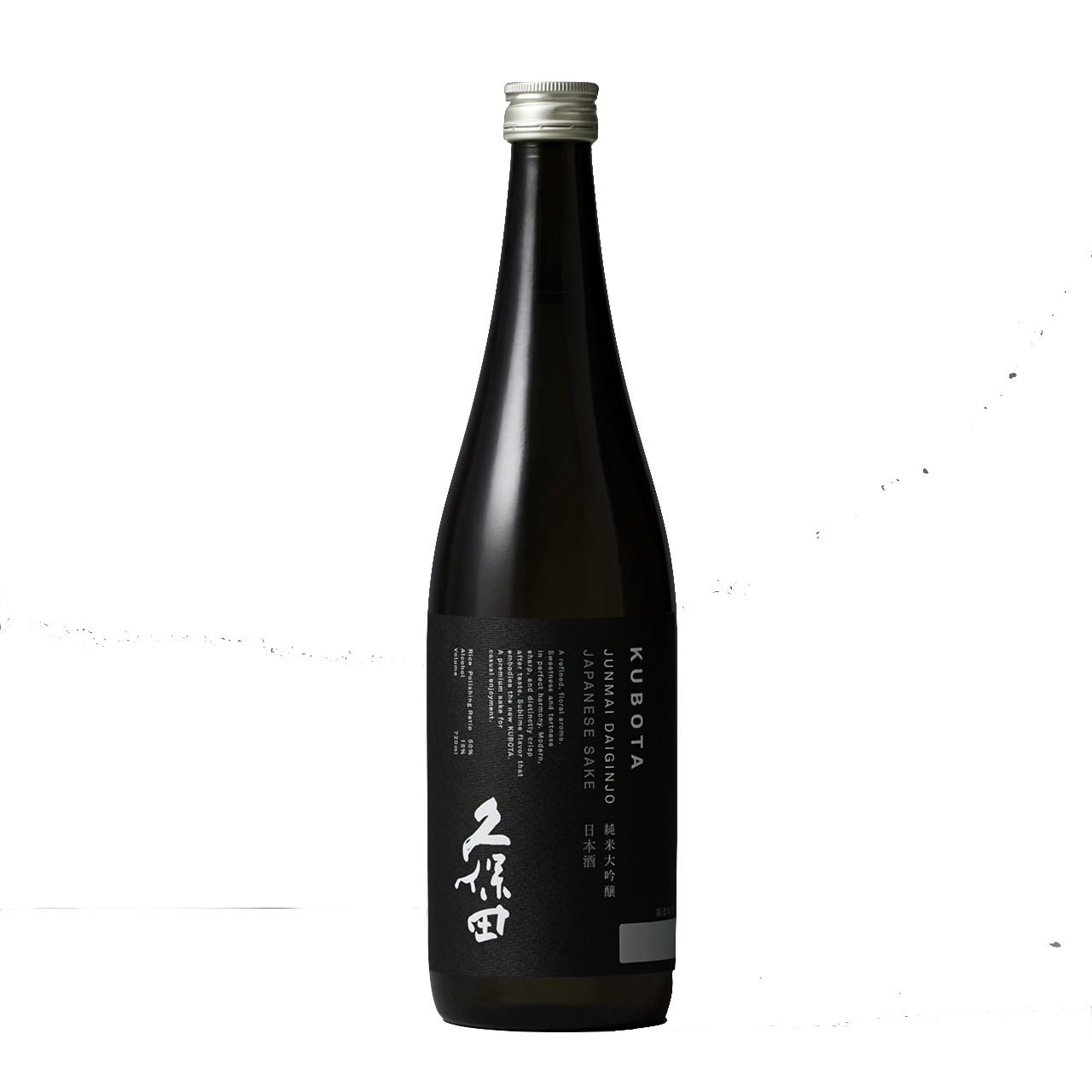
- Minus 5 to 0, soft to neutral: SOTO Junmai Daiginjo (minus 1), Kubota Junmai Daiginjo (0), Brooklyn Kura Number Fourteen (junmai ginjo) (0)
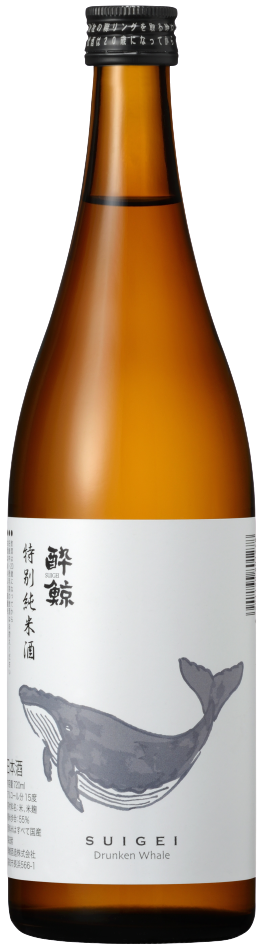
- Plus 3 to plus 7, dry: SOTO Junmai Sake, Dassai 23, Kubota Senju, Suigei Tokubetsu Junmaishu
- Plus 10 and above, very dry: Sawanoi Junmai Okarakuchi (plus 10), Yukiotoko Junmaishu Yeti (plus 12), Rokkasen Junmai SuperDry (plus 15)
A single point of SMV rarely changes what you taste. Think in bands, sweet, neutral, dry, very dry, rather than treating a gap of 2 or 3 as meaningful.
Why Acidity and Amino Acids Change What the Number Tastes Like
SMV measures density, not taste, and two other numbers do a lot of the work your tongue actually notices: acidity and amino acid content. Acidity on a Japanese label usually sits between 1.0 and 2.0, and it cuts through perceived sweetness the same way a squeeze of lemon balances a sweet sauce. A sake with a very negative SMV but high acidity can taste balanced rather than syrupy, while the same SMV with low acid tastes much sweeter.
Brewers lean on this interplay on purpose. A sake built for wide distribution, like SOTO Junmai Daiginjo at a nearly neutral minus 1, is often tuned to read balanced to a broad audience rather than to sit at an extreme on the scale.
The reverse matters too. Suigei Tokubetsu Junmaishu carries an SMV of plus 7, already on the dry side, and its notes call it bone dry and high acid. The acidity pushes the dryness further rather than softening it, so it drinks drier than a plus 7 sake with average acid would.
Amino acids, the compounds behind umami, work differently. They add roundness and savory depth, which can make a dry sake feel fuller rather than sharp. Fukucho Moon on the Water Junmai Ginjo sits at plus 3, technically dry, but its notes describe it as gentle and umami rich, brewed with soft water and Hattanso rice. The amino acids fill in around the dryness instead of leaving it thin.
This is the core limitation of SMV: it's one number describing one variable. Two sakes at the identical SMV can taste noticeably different once acid and amino acids are factored in, so treat SMV as a starting hint about body and sweetness, not a guarantee.
SMV Side by Side, Minus 35 to Plus 15
The table below lines up every bottle in this piece by SMV, from the sweetest nigori to the driest junmai. Categories differ across the range, so treat it as a snapshot of where each bottle sits, not a ranking of quality.
| Bottle | Category | SMV | Price (720 ml) |
|---|---|---|---|
| Kubota Junmai Ginjo Nigori | Nigori | minus 35 | about $23 |
| Yuki no Tenshi Snow Angel | Nigori | minus 20 | about $30 |
| SOTO Junmai Daiginjo | Junmai Daiginjo | minus 1 | about $14 |
| Brooklyn Kura Number Fourteen | Junmai Ginjo | 0 | about $27 |
| Kubota Junmai Daiginjo | Junmai Daiginjo | 0 | about $30 |
| Kubota Manju | Junmai Daiginjo | plus 2 | about $60 |
| Fukucho Moon on the Water Junmai Ginjo | Junmai Ginjo | plus 3 | about $36 |
| SOTO Junmai Sake | Junmai | plus 3 | about $20 |
| Dassai 23 | Junmai Daiginjo | plus 3 | about $70 |
| Kubota Senju | Ginjo | plus 5 | about $25 |
| Joto Daiginjo | Daiginjo | plus 5 | about $40 |
| Suigei Tokubetsu Junmaishu | Tokubetsu Junmai | plus 7 | about $20 |
| Sawanoi Junmai Okarakuchi | Junmai | plus 10 | about $28 |
| Yukiotoko Junmaishu Yeti | Junmai | plus 12 | about $25 |
| Rokkasen Junmai SuperDry | Junmai | plus 15 | about $30 |
How to Use SMV When You're Buying
Start with what you already like. If you gravitate toward sweeter wine or dessert style drinks, look for a negative SMV, especially in the minus 15 to minus 35 range where nigori sakes tend to sit, like Kubota Junmai Ginjo Nigori or Yuki no Tenshi Snow Angel. Both are cloudy, unfiltered nigori, and both lean sweet and creamy by design.
If you want something crisp to pair with food, look toward positive numbers, but don't stop there. Check whether the notes mention acidity or umami. Suigei Tokubetsu Junmaishu at plus 7 with high acid will taste sharper and more refreshing than its number alone suggests, a good match for fried or fatty food. Sawanoi Junmai Okarakuchi and Yukiotoko Junmaishu Yeti, both in the plus 10 to plus 12 range, sit at the drier end without extreme acid mentioned, so expect a cleaner, lighter dryness.
Category matters alongside the number. Daiginjo and junmai daiginjo styles, like Dassai 23, Joto Daiginjo, and Kubota Manju, are all polished well beyond standard junmai, which tends to soften rough edges regardless of where the SMV lands. A plus 3 daiginjo and a plus 3 junmai can feel different in the mouth even with an identical number.
Near zero is the safest middle ground if you're unsure. SOTO Junmai Daiginjo, Kubota Junmai Daiginjo, and Brooklyn Kura Number Fourteen, a junmai ginjo all sit at minus 1 to 0, a range most people read as balanced rather than sweet or dry. Kubota Senju's notes even suggest it works well slightly chilled or at room temperature, useful if you're deciding how to serve a bottle you haven't tried.
Common Mistakes When Reading SMV
A few habits lead people astray with SMV. The first is assuming it's the only number that matters. Polish ratio, rice variety, and category, junmai, ginjo, daiginjo, all shape the sake as much as sweetness or dryness does, and none of those show up in the SMV figure.
- Don't compare SMV across very different categories without checking acidity too. A dry number on a high acid tokubetsu junmai reads differently than the same number on a smooth daiginjo.
- Don't assume unlisted SMV means neutral. Some breweries simply don't publish the figure, so absence isn't a data point either way.
- Don't treat small gaps as meaningful. The difference between an SMV of plus 3 and plus 5, seen in SOTO Junmai Sake versus Kubota Senju, is unlikely to be noticeable on its own.
Used correctly, SMV is a quick filter, not a verdict. Glance at the number to set expectations, then check acidity, amino acids, category, and the brewery's own notes before you decide what's actually going to be in the glass. The number gets you close, the rest gets you the actual sake in front of you.