What Cup Sake Is and Where It Started
Cup sake is sake poured into a single serving glass, typically 180 ml, sealed with a pull off metal lid you peel back before drinking straight from the cup. That 180 ml is one go, the traditional Japanese serving measure, one tenth of the 1.8 liter issho bottle you might see behind a bar. Some cups hold 200 ml or 300 ml instead.
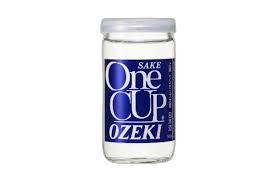
Ozeki, a brewery in Nishinomiya in the Nada district of Hyogo, launched One Cup Ozeki on October 10, 1964, the opening day of the Tokyo Olympics, and it is widely described as the first cup sake. Sake poured from a tokkuri flask never showed the maker's name the way a beer or whisky bottle did, so Ozeki turned the drinking glass itself into the package, and made drinking straight from the cup look modern instead of rough.
The idea caught on fast. In 1967 Ozeki began installing One Cup vending machines, a first for the alcohol industry, and in 1979 the national brewers association gave the company an award for developing and popularizing cup sake. Ozeki now calls One Cup a long seller loved for more than 60 years, and it is still the cup you will find in almost every convenience store in the country.
The Convenience Store Standard
Be honest with yourself before you crack one open: the standard cups are futsushu, everyday table sake, not a fine bottle. That is exactly the point. A 180 ml serving costs about the same as a coffee at a cafe chain, which makes it the cheapest way to taste real sake without committing to a full bottle.
One Cup Ozeki is 15% alcohol with an SMV of 0, mild and rounded rather than sharp. Ozeki lists it at 265 yen before tax, and it is the cup you will find in almost every convenience store cooler in Japan.
One Cup Ozeki works cold, at room temperature, or warmed, so there is no wrong way to start.
Premium Grades in a Cup
Not every cup is futsushu. Some breweries put real ginjo craft into the same format, so you can taste a step up without opening a full 720 ml bottle.
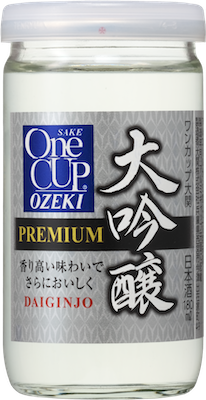
One Cup Daiginjo, also from Ozeki, is rice polished to 50%, 15% alcohol, SMV +4. Ozeki lists it at 304 yen before tax. The nose is a gentle ginjo aroma, and the palate balances umami against acidity, which is why chilled is the better way to drink it rather than warmed.
Shinkame Junmai Cup goes further still. Shinkame, in Saitama, became the first brewery in postwar Japan to make nothing but junmai, back in 1987, and that same philosophy fills its 180 ml cup: Gohyakumangoku rice polished to 60%, 15 to 16% alcohol, rich and savory. It runs about 670 yen with tax at specialty shops, more than double a convenience store cup, and it is genuinely good warmed. This is a cup for someone who already likes sake, not a first try.
Regional Jizake and Character Cups
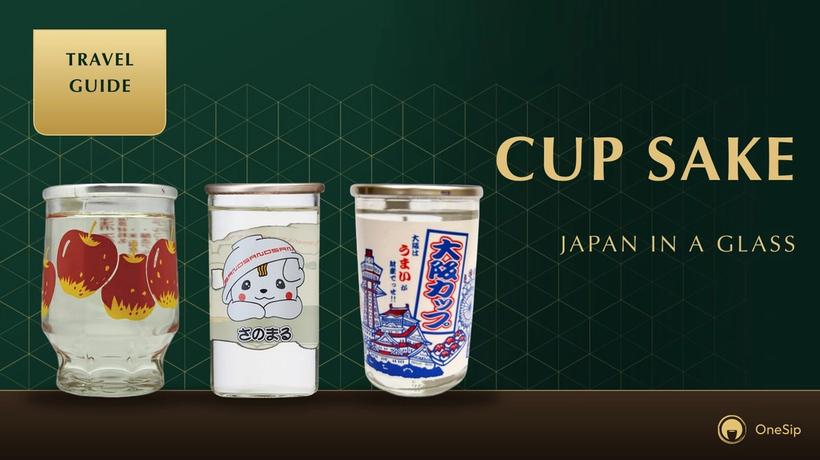
Away from the big convenience store brands, regional breweries print local mascots, animals, or landmarks on the glass, and plenty of people keep the empty cups afterward and reuse them as drinking glasses.
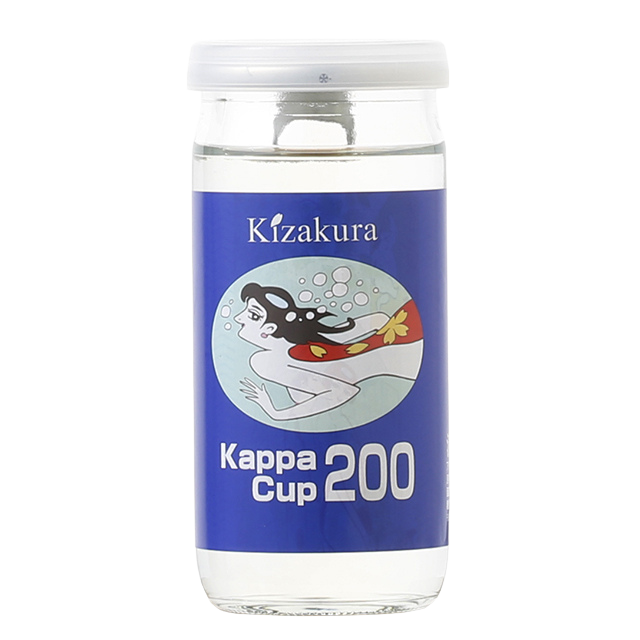
Kizakura Kappa Cup comes from Kizakura in Fushimi, Kyoto: futsushu at 14% alcohol in a cup printed with the kappa, the river imp of Japanese folklore that has been the brewery's mascot for decades. It is an easy, cheerful souvenir even if you never open it.
Miyozakura Junmai Cup, from Miyozakura Jozo in Gifu, is junmai made with Gifu grown Asahi no Yume rice polished to 70%, 15% alcohol, SMV +7.5, so it drinks dry. The brewery lists it at 330 yen. The glass is printed with pandas, and importers abroad sell it as the Panda Cup, which is part of why it is one of the few cup sakes you can find at a few shops outside Japan on OneSip.
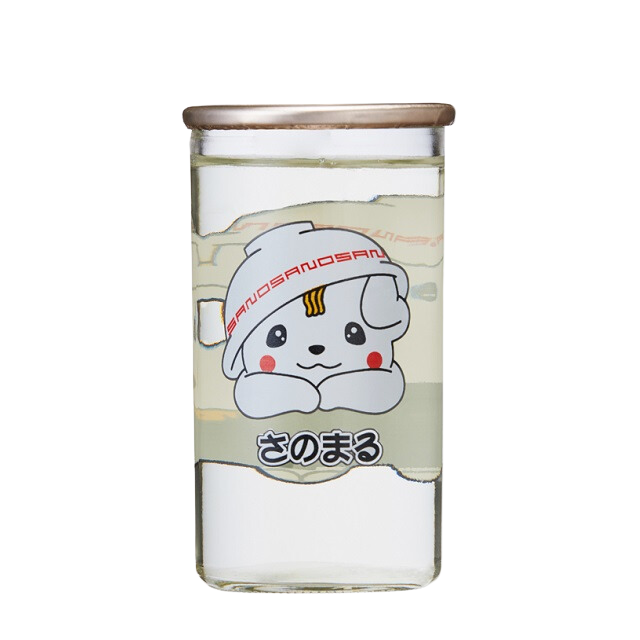
Kaika Sanomaru Cup Sake, from Daiichi Sake Brewery in Sano, Tochigi, is a tokubetsu junmai at 14% alcohol, rice polished to 65%. The cup carries Sanomaru, the official mascot of Sano City, a samurai wearing a ramen bowl as a hat who won the national mascot grand prix in 2013. It costs about 460 yen in Japan and also turns up at a few shops outside Japan on OneSip.
The Can Cousin: Funaguchi
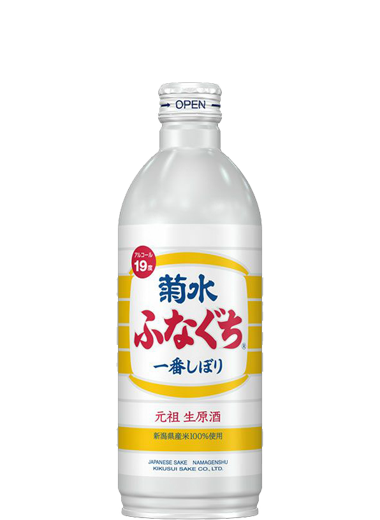
Not everything on this shelf is glass. Kikusui, in Niigata, launched Funaguchi Kikusui Ichibanshibori in 1972, which the brewery describes as the first unpasteurized, undiluted sake, nama genshu, sold in an aluminum can in Japan. Before that, this fresh sake could only be tasted at the brewery itself.
Funaguchi Kikusui Ichibanshibori is a 200 ml gold can, honjozo, made with Niigata rice polished to 70%, 19% alcohol, bold and sweet savory. The brewery says to drink it chilled, and since it is undiluted and unpasteurized, cold really is the only way to have it. It is a can, not a glass cup, but it sits on the exact same convenience store shelf, and it is one of the handful of cup format sakes that reach a few shops outside Japan on OneSip.
Where to Buy Cup Sake in Japan
The big convenience store chains, Seven Eleven, Lawson, and FamilyMart, all stock single serving sake, and so do supermarkets and station kiosks. Where the Shinkansen still runs a cart service, it sells sake too. Convenience store standards like One Cup Ozeki cost roughly 250 to 350 yen, and the Lawson Store 100 house brand cup is even cheaper, at 128 yen before tax.
- Convenience stores: Seven Eleven, Lawson, FamilyMart
- Supermarkets and station kiosks
- Shinkansen cart service, where it still runs
- Specialty shops such as Aji no Machidaya in Nakano, Tokyo
- Department store basements and station souvenir shops
For a wider range, go to a specialty sake shop. Aji no Machidaya in Nakano, Tokyo has focused on cup sake for about 20 years and stocks roughly 80 to 120 kinds at any time, with regional jizake cups running from about 330 yen up to about 700 yen. Department store basements and the souvenir shops of regional train stations are also worth checking if you want cups tied to a specific place.
| Cup | Brewery and Home | Grade | ABV | What It's For |
|---|---|---|---|---|
| One Cup Ozeki | Ozeki, Hyogo | Futsushu | 15% | Everyday sipper, any temperature |
| One Cup Daiginjo | Ozeki, Hyogo | Daiginjo | 15% | Step up in aroma, chilled |
| Funaguchi Kikusui Ichibanshibori | Kikusui, Niigata | Honjozo (can) | 19% | Bold fresh sake, chilled only |
| Kizakura Kappa Cup | Kizakura, Kyoto | Futsushu | 14% | Souvenir with a mascot glass |
| Miyozakura Junmai Cup | Miyozakura Jozo, Gifu | Junmai | 15% | Dry junmai, panda cup abroad |
| Kaika Sanomaru Cup Sake | Daiichi Sake Brewery, Tochigi | Tokubetsu Junmai | 14% | Mascot cup, sold outside Japan too |
| Shinkame Junmai Cup | Shinkame, Saitama | Junmai | 15 to 16% | Serious junmai, good warmed |
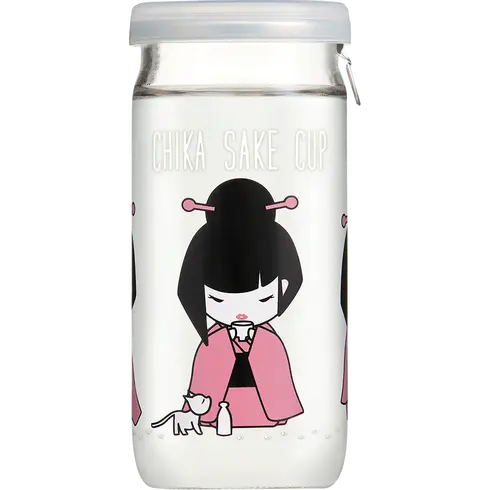
| Hakutsuru Chika Sake Cup | Hakutsuru, Hyogo | Junmai | 13.5% | Reusable glass, sold overseas |
How to Drink It and Where to Find It Abroad
Most cups are happy served three ways: cold from the convenience store fridge, at room temperature, or warmed. Ozeki gives an official microwave method for its glass cups: take the aluminum lid off completely, heat at 500 W for up to 1 minute, then stir, because the top and bottom heat unevenly. The glass is not heat resistant, so do not push past that. Aromatic daiginjo styles and nama sake such as Funaguchi are better left cold.
Japan's legal drinking age is 20, and there is no national law against drinking in public, so opening a cup on a long distance train or at a picnic is completely normal. Some districts have their own rules: Shibuya, in Tokyo, has banned street drinking around the station since October 2024, and it is worth being a little more discreet on ordinary commuter trains too.
Outside Japan, cup sake is rare. OneSip's database lists more than 100 cup sakes, but only a handful reach shops outside Japan, among them Miyozakura Junmai Cup, Kaika Sanomaru Cup Sake, and Funaguchi Kikusui. Hakutsuru makes its Chika Sake Cup specifically for overseas markets: a 200 ml junmai at 13.5% alcohol, with a peel off lid and a glass you can reuse, presented on Hakutsuru's own overseas sites, so it is the cup you are most likely to meet outside Japan.