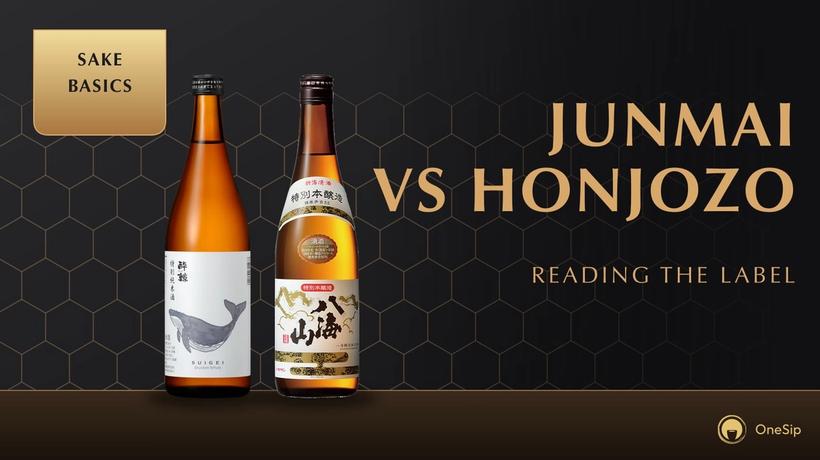
The One Real Difference
Junmai sake is brewed from just four things: rice, water, koji, and yeast. Nothing else goes into the tank. Honjozo starts the exact same way, then a small, legally capped amount of distilled alcohol, called jozo alcohol, is added to the mash right before pressing. That single addition is the entire legal difference between the two categories. Every other assumption people carry around, that one is sweeter, one is cheaper, one is more serious, comes from the individual brewery's choices, not from the category itself.
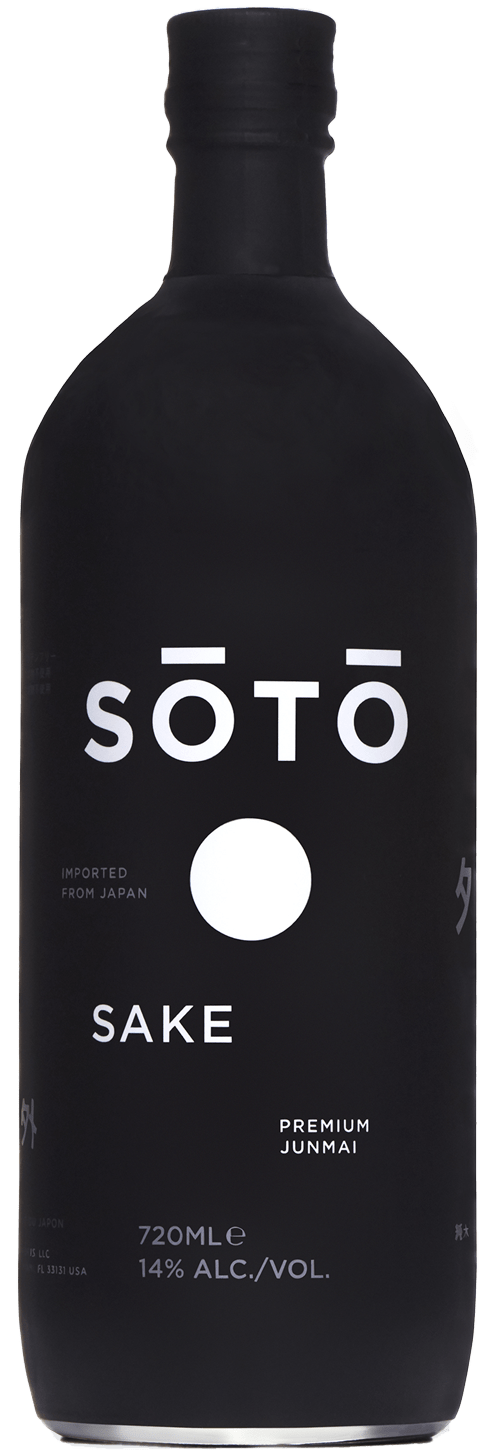
You can see the range on both sides. SOTO Junmai Sake is dry and light with nothing added, while Kuromatsukenbishi Honjozo is deep and savory with a touch of alcohol in the mix. The category name tells you whether alcohol was added. It does not tell you how the sake will taste.
The Legal Rules Behind the Labels
Honjozo has two requirements under Japanese labeling law. The rice must be polished to 70% or below, meaning at least 30% of each grain is milled away before brewing. And the added alcohol is capped at a small share of the rice's weight, enough to round out aroma and texture, not enough to bulk up the batch. Kuromatsukenbishi Honjozo and Hakutsuru Excellent Junmai both land right at that 70% line, one in each category, which shows that polish alone does not separate honjozo from junmai either.
- Honjozo: rice, water, koji, yeast, plus a small capped amount of distilled alcohol
- Honjozo: rice must be polished to 70% or below
- Junmai: rice, water, koji, yeast, no added alcohol
- Junmai: no polish requirement since 2004
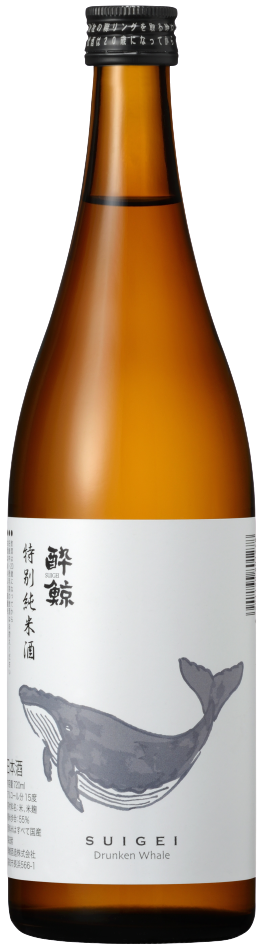
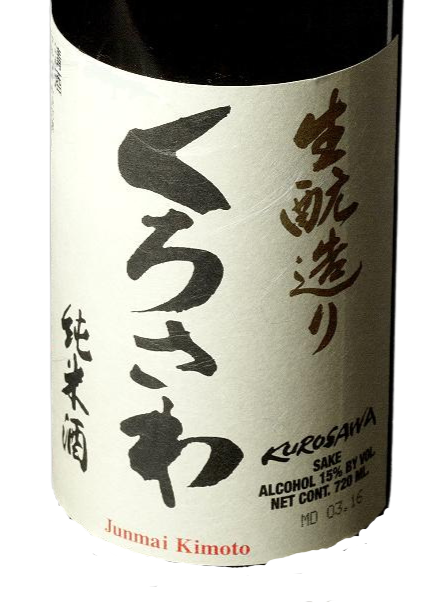
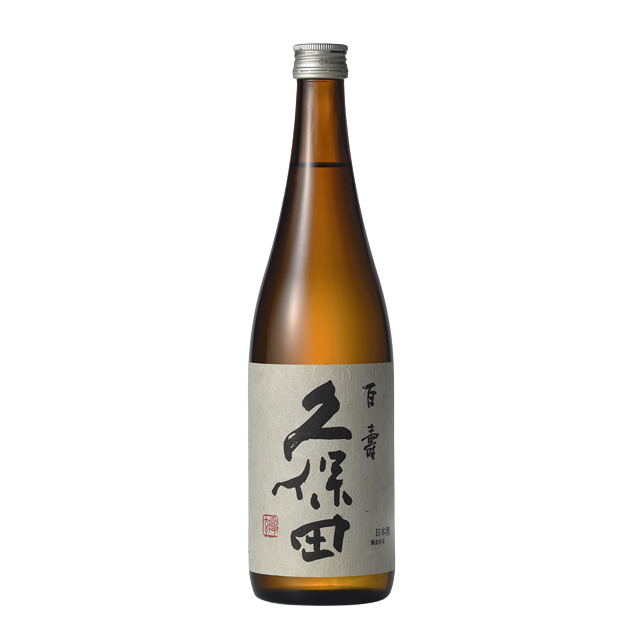
Before 2004, junmai carried that same 70% polish rule. That year, Japan's labeling standard dropped the polish requirement for junmai entirely. That is why you now see junmai whose rice is milled much less, with a polishing ratio well above 70%, like Kimto KUROSAWA Junmai 80, polished only to 80% and still fully entitled to the junmai name. Tokubetsu junmai and tokubetsu honjozo, the special versions worn by Suigei Tokubetsu Junmaishu, Kubota Hyakuju, and Hakkaisan Tokubetsu Honjozo, add a further polish or brewing method requirement on top of their base category, but the underlying alcohol question stays exactly the same.
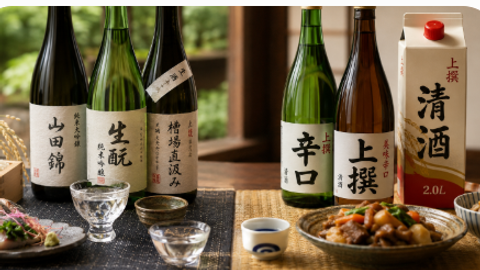
You can check all of this yourself on a Japanese label. The category is printed as 純米 for junmai or 本醸造 for honjozo, and the ingredient line lists everything that went into the tank. A junmai shows only rice and rice koji. A honjozo shows a third item, jozo alcohol, which is the distilled alcohol. If a bottle carries neither category name but still lists that third ingredient, it is usually futsushu, everyday table sake, which sits outside both categories and follows neither set of rules.
What the Added Alcohol Actually Does
A small addition of alcohol before pressing tends to carry more aroma out of the mash and into the final sake, and it can leave the finish feeling lighter and cleaner. Eiko Fuji Ban Ryu Honjozo "10000 Ways" is a good example: light, dry, and fruity for its grade, which is part of why it has become the most widely stocked honjozo in US shops.
That does not mean junmai is automatically heavier or less aromatic. Suigei Tokubetsu Junmaishu is bone dry with high acid and no added alcohol at all, and it is the best rated tokubetsu junmai on OneSip, with a 4.4 rating from nine reviews. Dryness, acidity, and aroma all come from the rice, the yeast, and the brewer's choices well before anyone decides whether to add alcohol.
Price does not track the category either. Hakutsuru Excellent Junmai runs about $11, Kuromatsukenbishi Honjozo runs about $35, and Daishichi Kimoto Honjozo runs about $28. Both SOTO Junmai Sake and Suigei Tokubetsu Junmaishu run about $20, right alongside Kimto KUROSAWA Junmai 80. Kubota Hyakuju runs about $23 and Hakkaisan Tokubetsu Honjozo about $32. What moves the price is polish level, brewing method, and reputation, not whether the label says junmai or honjozo.
If you want a shortcut that actually predicts dryness, look at the SMV instead of the category. Suigei Tokubetsu Junmaishu at plus 7 and Kubota Hyakuju at plus 5 are both firmly dry, SOTO Junmai Sake at plus 3 is dry but softer, and Hakkaisan Tokubetsu Honjozo at plus 4 sits in between. Those four numbers span both categories, which is the point.
The Old Prejudice, and Why It Is Unfair
Added alcohol earned a bad name for a real historical reason. During and after World War II, rice was scarce, and some brewers stretched their sake with large amounts of cheap distilled alcohol and sugar to multiply volume from a small amount of rice. That practice, called sanzoshu, is where the idea that added alcohol means a diluted or inferior sake comes from.
Modern honjozo has nothing to do with that era. The amount of alcohol allowed is small and tightly capped, added for aroma and balance rather than volume. Kubota Hyakuju is a useful reminder of that: it is a tokubetsu honjozo that helped define the dry, clean Niigata style in the 1980s, a style built entirely around precision, not around stretching rice. Judging a sake by whether it is honjozo or junmai, rather than by how it actually tastes, is a habit worth dropping.
Ten Bottles Side by Side
Here is where all ten bottles land on category, polish, and price.
| Bottle | Category | Prefecture | Polish | Price |
|---|---|---|---|---|
| Hakutsuru Excellent Junmai | Junmai | Hyogo | 70% | $11 |
| Suigei Tokubetsu Junmaishu | Tokubetsu Junmai | Kochi | 55% | $20 |
| Kimto KUROSAWA Junmai 80 | Junmai | Nagano | 80% | $20 |
| SOTO Junmai Sake | Junmai | Niigata | 65% | $20 |
| Kuromatsukenbishi Honjozo | Honjozo | Hyogo | 70% | $35 |
| Eiko Fuji Ban Ryu Honjozo "10000 Ways" | Honjozo | Yamagata | n/a | $17 |
| Kubota Hyakuju | Tokubetsu Honjozo | Niigata | 60% | $23 |
| Ozeki Karatamba | Honjozo | Hyogo | n/a | n/a |
| Daishichi Kimoto Honjozo | Honjozo | Fukushima | n/a | $28 |
| Hakkaisan Tokubetsu Honjozo | Tokubetsu Honjozo | Niigata | 55% | $32 |
How to Choose by Occasion
For a bright, chilled pour before a meal, reach for SOTO Junmai Sake or Suigei Tokubetsu Junmaishu. Both are dry and light enough to work as an aperitif, and neither needs food to taste complete.
For a cold night or a heavier meal, warmed honjozo is hard to beat. Kuromatsukenbishi Honjozo and Ozeki Karatamba are both built for it, the kind of bottle an izakaya keeps on hand to serve warm. Hakutsuru Excellent Junmai, on the junmai side, is also made to be warmed and holds up well against rich, savory food.
If you want to compare the kimoto brewing method across both categories, taste Kimto KUROSAWA Junmai 80, earthy and full of umami, against Kuromatsukenbishi Honjozo or Daishichi Kimoto Honjozo, both from breweries devoted to the kimoto method. None of these are a ranking. They are simply different answers to the same question: rice alone, or rice with a small, deliberate touch of alcohol.
Next time you are choosing between two bottles on a shelf, skip the category name as your first filter. Look at the polish number, the SMV if it is listed, and the brewery's notes instead. That will tell you far more about what is actually in the bottle than whether it says junmai or honjozo. The category name is a starting point, not a verdict.
Prices in this article are for a 720 ml bottle at US shops at the time of writing. Sake pricing moves often, so treat these as a snapshot, not a quote.