

Description
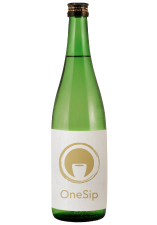
充分引出山田锦特有的柔软感与丰盈旨味,精心构筑入喉后的余韵与"余押"。采用福岛县研发的酵母"会津美梦酵母(F701)",酿出柔和亲切的风味,再加入阿尔卑斯酵母增添爽利感与香气,最终塑造出均衡协调的酒质。入口瞬间,清新的柑橘与草本系吟酿香铺展开来,柔和的甘甜与酸味相互交融,令人心旷神怡。吟酿酒的特色在于清爽入喉后,旨味在上颚慢慢渗出、回味绵长。过度冷藏可能略带苦味,建议在约12°C时享用。与海鲜或天妇罗等清淡爽口的料理搭配极为出色。
Specifications
Flavor Profile
Sweet
Dry
Light
Full
Crisp
Rich
Low Acid
High Acid
Smooth
Complex
Sake TypeWhat is Ginjo?
Light and fragrant with delicate floral and fruit aromas.
Learn more about GinjoWhere to Buy
Loading prices...
Reviews
打卡与评论 (0)
还没有评论,来做第一个吧!
誉酒造株式会社
福岛县
创始人幸作·唐桥从米批发商和味噌酱油店起家,29岁时取得清酒酿造资格(品牌:大锦),并于1918年9月5日(大正七年)以制造销售酒类为目的创立了加野酒造株式会社。1923年为扩大业务,在松山村进行总部改建与设施扩充,并将公司更名为唐桥酒造合名会社,此后数次增资,最终于1946年8月19日更名为誉酒造株式会社。
Est.1918
Brand会津誉
Address2706 Matsuyama Kita -shi Fukushima 2706


More from this Brewery
Pairings
Food type guide
General guidance on food categories that tend to suit this style🥇
Yakitori (Salt)
Japanese
★★★★★
Traditional balance ideal for Japanese cuisine
🥈
Chawanmushi
Japanese
★★★★★
Traditional balance ideal for Japanese cuisine
🥉
Saikyo-zuke Fish
Japanese
★★★★★
Traditional balance ideal for Japanese cuisine
4
Shabu-shabu
Japanese
★★★★★
Traditional balance ideal for Japanese cuisine
5
Mixed Hot Pot
Japanese
★★★★★
Traditional balance ideal for Japanese cuisine
6
Soy Milk Hot Pot
Japanese
★★★★★
Traditional balance ideal for Japanese cuisine
7
Yakitori (Tare)
Japanese
★★★★★
Traditional balance ideal for Japanese cuisine
8
Grilled Eel
Japanese
★★★★★
Traditional balance ideal for Japanese cuisine