What a sake brand actually tells you
A sake brand is really a brewery's name, or its export label, attached to a house style and a price point. That makes it closer to a wine producer than to a grape variety. Words like junmai, ginjo, and honjozo describe the rice polish and whether alcohol was added, but the brand tells you how the house actually tastes and how consistent it will be from bottle to bottle. Learning a dozen brand names well is more useful than memorizing categories, because two junmai daiginjo bottles from different houses can taste nothing alike.
Prices in this guide are for a standard 720 ml bottle at US shops, current at the time of writing. Sake pricing changes often, so treat these as a starting point, not a quote.
Everywhere and reliable
Some brands are worth knowing simply because you will run into them constantly, and you want to know whether they are worth buying when you do.
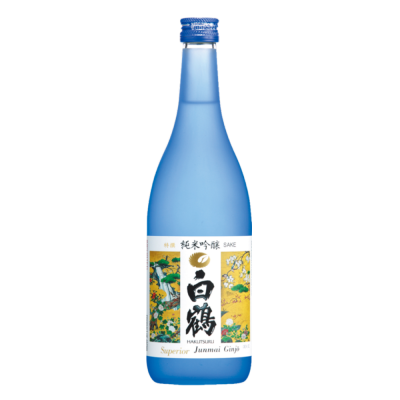
Hakutsuru Sake Brewing, based in Nada, the historic brewing district in Kobe, Hyogo, is in more US shops than any other junmai ginjo on OneSip: 145 shops carry it. Start with Hakutsuru Superior, its junmai ginjo polished to 60%, a mild, slightly sweet glass for about $15. It suits someone who wants a dependable bottle at an izakaya or grocery store without thinking too hard about the choice.
Tozai is the export label for Kizakura Brewery in Kyoto, and its Living Jewel junmai is one of the most common first bottles for new sake drinkers in the US, sold in 168 shops. Polished to 70%, light and clean, it runs about $15 and suits anyone who wants an easy, inexpensive way into junmai before spending more.
Premium names
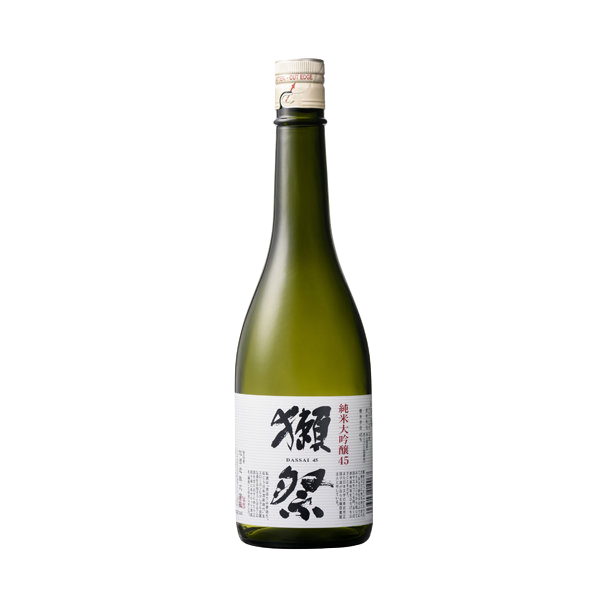
Dassai comes from Asahi Shuzo in Yamaguchi, and it is the brand most responsible for junmai daiginjo's reputation abroad. Dassai 45, polished to 45% with clean melon and pear fruit, is the most widely distributed junmai daiginjo in the US, sold in 38 shops for about $27, and is the right place to start. Dassai 23, polished all the way to 23%, silky and floral, runs about $70 and suits someone marking a real occasion.
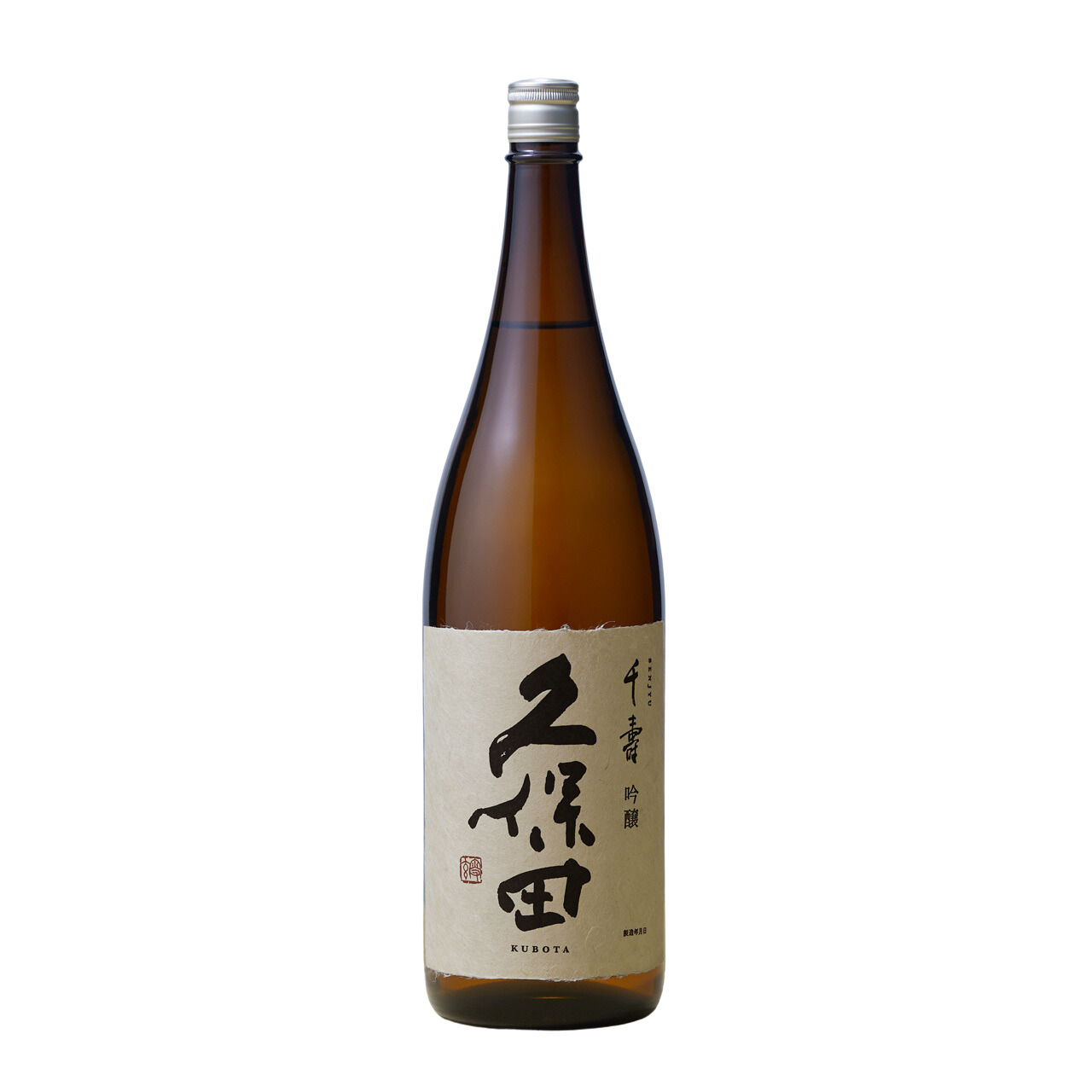
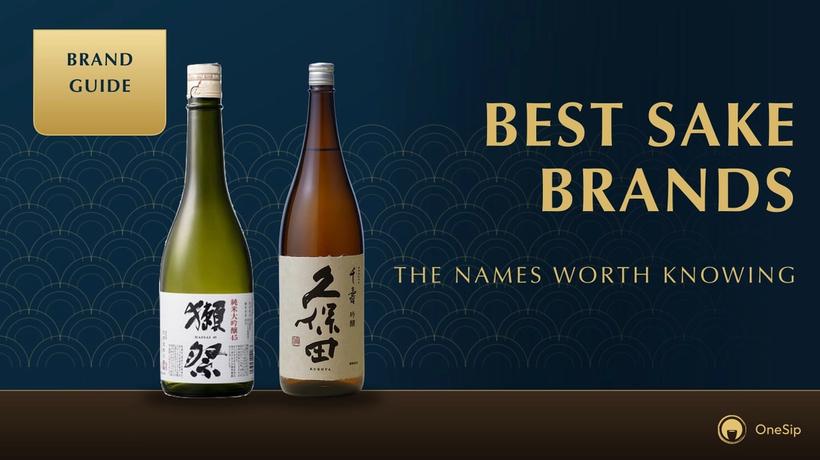
Kubota comes from a Niigata company also called Asahi Shuzo, though a different one from the Yamaguchi house behind Dassai. Start with Kubota Senju, a ginjo polished to 55% with an SMV of 5, light and dry with low aroma, good slightly chilled or at room temperature, for about $25. It suits someone who wants a quiet, food friendly sake for the table. Kubota Manju is the range's flagship, polished to 50%, refined and dry, and it runs about $60 for someone ready to pay more for the same house style taken further.
Hakkaisan Brewery in Niigata brews with snowmelt water and favors balance over showiness. Start with Tokubetsu Junmai Hakkaisan, polished to 55%, clean and dry and consistent, for about $15, or step up to Hakkaisan Junmai Daiginjo, polished to 45% with an SMV of 4, for about $30 on a bigger night. It suits anyone who wants Niigata's clean, dry house style without paying Kubota prices.
Craft and regional
Kikusui, in Niigata, shows its range across two very different bottles. Kikusui Junmai Ginjo Oganikkuseishu is made with organic rice, polished to 55%, light and dry, for about $29, for someone who cares where the rice comes from. Funaguchi Kikusui Ichibanshibori is the opposite: an unpasteurized, undiluted honjozo sold in a gold can at 19% alcohol, bold and sweet savory, best served cold. It has no listed 720 ml price, so check a shop on OneSip before you go looking for it.
Dewazakura Sake Brewery, in Yamagata, makes Oka Ginjoshu Yamadanishiki, the bottle that started Japan's ginjo boom in 1980 by selling fragrant ginjo at a fair price. Still polished to 50%, with apple and melon aroma and a dry finish, it runs about $37 and suits someone curious about the ginjo style's own history, not just the category name.
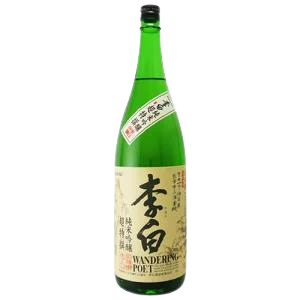
Rihaku Sake Brewing, in Shimane, named its label after the Tang poet Li Bai. Its Junmai Ginjo Wandering Poet, polished to 55%, round and savory with a touch of melon, is one of the best rated junmai ginjo on OneSip and costs about $16. It suits someone who wants genuine regional character at a price close to the everywhere brands.
Suigei Brewing, in Kochi, takes its name from the phrase Drunken Whale. Its Tokubetsu Junmaishu, polished to 55% with an SMV of plus 7, is bone dry and high acid, the best rated tokubetsu junmai on OneSip, for about $20. It suits someone who finds most junmai too soft and wants real bite.
Fukuchiyo Shuzo, in Saga, makes Nabeshima Summer Moon, a summer seasonal ginjo polished to 50%, bright and lightly sweet, for about $36. It suits someone shopping by season rather than by category.
Kenbishi, in Nada, Hyogo, has been brewing since 1505, making it one of the oldest names in sake. Kuromatsukenbishi Honjozo, made by the kimoto method with wooden tools and polished to 70%, is deep and savory and best warmed, for about $35. It suits someone who wants a genuinely old style of sake rather than a fruity modern ginjo profile.
American brewed, honestly
Several of the most familiar names on a US sake shelf are not imported. They are brewed here, often in California, under a US subsidiary of a Japanese company. That is not a mark against them. It usually means a lower price and a steadier supply.
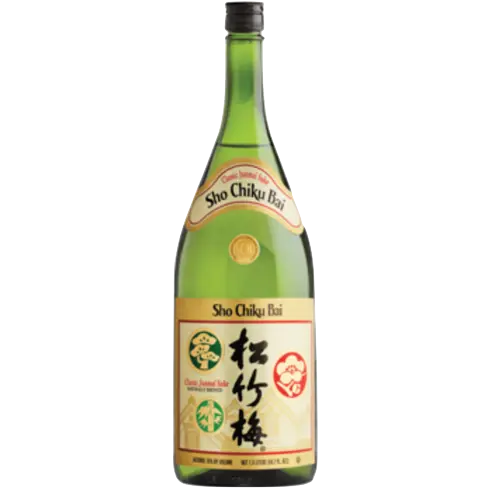
Takara Sake USA has brewed Sho Chiku Bai in Berkeley, California, since 1983. Sho Chiku Bai Classic Junmai, polished to 70%, is the staple hot sake of American Japanese restaurants, better warm than cold, for about $7. It suits anyone who wants the cheapest reliable bottle for cooking or a casual warm sake at home.
Gekkeikan USA brews in Folsom, California. Gekkeikan Black & Gold, a junmai, is the best rated junmai on OneSip among widely sold bottles, rich and slightly nutty, good warm or cold, for about $12, and it is sold in 216 US shops, more than any other bottle in this guide. It suits someone who wants proof that inexpensive and well made are not opposites.
Ozeki also brews in California. Ozeki Karatamba means dry Tamba, and it is a firmly dry honjozo that many izakaya keep as their house warm sake. It has no listed 720 ml price, so check a shop on OneSip, and it suits someone who wants a dry, no frills warm sake at a restaurant.
SakeOne, in Forest Grove, Oregon, brews Momokawa Diamond with Calrose rice grown in the US. This junmai ginjo, polished to 58%, is crisp and medium dry, for about $14, and suits someone curious about American grown rice sake at an easy price.
Brooklyn Kura, in the Industry City section of New York, makes Brooklyn Kura Number Fourteen - Junmai Ginjo, with an SMV of 0, bright acidity, and a slightly wild edge, for about $27. It suits someone who wants the newest wave of American sake and does not mind a more assertive, less polished style.
How to choose
If you only remember a handful of names, use this as a shortcut.
| Brand | Home | Start with | Best for |
|---|---|---|---|
| Hakutsuru | Hyogo, Japan | Hakutsuru Superior | An easy bottle you can find almost anywhere |
| Tozai | Kyoto, Japan | Tozai Living Jewel | A cheap, gentle first junmai |
| Dassai | Yamaguchi, Japan | Dassai 45 | A gift level junmai daiginjo |
| Kubota | Niigata, Japan | Kubota Senju | A dry, food friendly bottle for the table |
| Suigei | Kochi, Japan | Suigei Tokubetsu Junmaishu | Drinkers who want real acid |
| Gekkeikan | California, US | Gekkeikan Black & Gold | Best value junmai on the shelf |
None of this is about chasing rarity. The most useful brand to know is often the one you can actually buy again next month, at a price you are happy to pay, made by a house whose style you already like.