Prices below are for a 720 ml bottle at US shops at the time of writing, and they change often.
What makes a sake good cold
Three things: aroma, lightness and clean acidity. Fragrant sake such as ginjo shows off its fruit when it is cool, and a light body stays refreshing instead of heavy. Clean acidity keeps the finish crisp.
Chilling also tightens sweetness. A sake that tastes soft and round at room temperature tends to come across cleaner and drier when cold, which is why chilled sake is such an easy way in. Sweeter styles like nigori and sparkling sake stay fresh and easy to sip.
How cold is cold? The Japanese names
Japanese has a name for each step of chilling. These are the names and temperatures used by the major brewers Takara Shuzo and Sawanotsuru:
- Yukibie ("snow chilled"): about 5 Celsius
- Hanabie ("flower chilled"): about 10 Celsius
- Suzubie ("cool chilled"): about 15 Celsius
- Hiya: about 20 Celsius
Here is the trap. In Japanese, hiya traditionally means sake at room temperature, not chilled. Sake chilled in the fridge or in ice water is called reishu, so in Japan, ask for reishu if you want it cold.
The Sake Service Institute groups sake into four types. Aromatic sake, mainly ginjo and daiginjo, is at its best at about 10 to 15 Celsius. Light, fresh sake, which includes namazake, suits about 5 to 10 Celsius. Rich, full sake (junshu) sits closer to room temperature, about 18 to 20 Celsius, and aged sake at about 15 to 25 Celsius.
So a wide range of sake can be enjoyed chilled, even if some styles open up more when warmer. For the fruity bottles below, think of 10 to 15 Celsius as the target.
The best cold sake by style
 Dassai 454.1 (30)DASSAIJunmai DaiginjoYamaguchi$29
 Kubota Junmai Daiginjo4.0 (9)Asahi-ShuzoJunmai DaiginjoNiigata$30
 Hakkaisan Junmai Daiginjo4.2 (13)HakkaisanJunmai DaiginjoNiigata$30
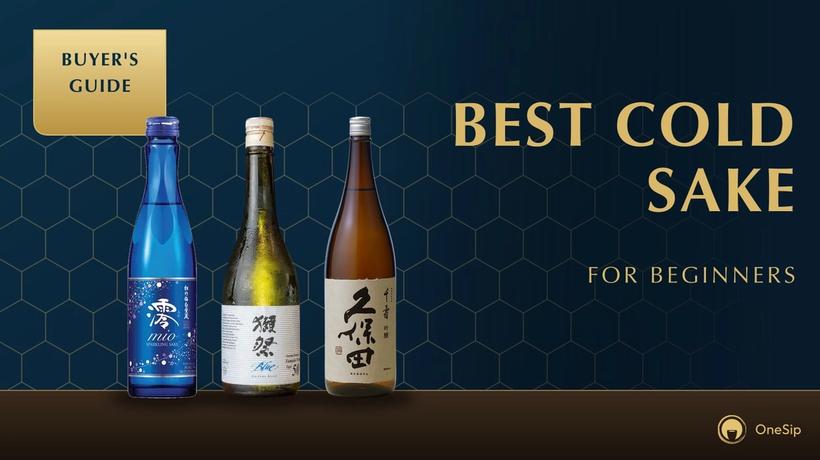
 Dassai Blue 50 Junmai Daiginjo4.1 (7)DASSAIJunmai DaiginjoNew York$22
 Hakutsuru Sho Une Junmai Daiginjo3.7 (7)HakutsuruJunmai DaiginjoHyogo$23
 Hakutsuru Superior3.4 (11)HakutsuruJunmai GinjoHyogo$15
 TY KU Sake Junmai Ginjo Black4.5 (1)UMENOYADOJunmai Ginjo$17
 Rihaku Junmai Ginjo Wandering Poet4.1 (13)Rihaku Sake Brewing CompanyJunmai GinjoShimane$16
 Kubota Senju3.8 (1)Asahi-ShuzoGinjoNiigata$25
 Suigei Tokubetsu Junmaishu4.4 (9)SuigeiTokubetsu JunmaiKochi$20
 Hakutsuru Sayuri Nigori3.6 (7)HakutsuruNigoriHyogo$18
 Momokawa Pearl Nigori4.5 (2)Sake OneNigoriOregon$13
 Sho Chiku Bai Mio Sparkling Sake3.5 (6)TakaraSparklingHyogo$20
Aromatic ginjo and daiginjo. Dassai 45 is a junmai daiginjo from Yamaguchi, made with Yamada Nishiki rice polished to 45%. The brewer describes fruit aromatics and a delicate sweetness from the rice, and recommends serving it at 10 to 12 Celsius. It costs about $29.
Kubota Junmai Daiginjo comes from Niigata, made with Gohyakumangoku rice polished to 50%, at 15% alcohol and SMV 0. The brewer describes a hint of pear and melon, with sweetness and acidity in balance, and gives an ideal serving temperature of 10 to 15 Celsius. Expect about $30.
Hakkaisan Junmai Daiginjo, also from Niigata, is polished to 45% and brewed with spring water from melted snow. It is 15.5% alcohol at SMV +4. The brewer describes pronounced clarity, a clean taste and an elegant, gentle sweetness. It runs about $30.
Dassai Blue 50 Junmai Daiginjo is made in Hyde Park, New York, at a brewery opened in 2023 by the makers of Dassai. The brewer describes the clean sweetness of rice with fruity aromas and a crisp finish, and recommends serving it well chilled. At about $22 it costs less than Dassai 45.
Hakutsuru Sho Une Junmai Daiginjo, from Hyogo, is polished to 50% and described by the brewer as crisp apple, ripe nectarine and soft pear. It says cool temperatures, about 4 to 13 Celsius, bring a crisp, clean finish, while room temperature brings out more umami. It costs about $23.
Easy value picks. Hakutsuru Superior is a junmai ginjo at about $15, and it is in more US shops on OneSip than any other junmai ginjo. The brewer describes ripe strawberry and melon with a mild sweetness, and says cool temperatures, about 4 to 13 Celsius, lift its fruity aromas.
TY KU Sake Junmai Ginjo Black is widely sold in US supermarkets, at about $17. The brand describes a rich texture with a hint of natural sweetness, and peach and vanilla on the nose. It says premium sake like this should be served chilled, like a white wine.
Rihaku Junmai Ginjo Wandering Poet is from Shimane, made with Yamada Nishiki rice polished to 55%, and costs about $16. It is one of the best rated junmai ginjo on OneSip. The brewer calls it mellow with gentle richness, fresh and crisp, and suggests chilling it to 10 to 15 Celsius or serving it on the rocks.
Crisp and dry. Kubota Senju is a ginjo made for the table, at SMV +5. The brewer describes a clean, crisp, light taste with a calm aroma, and gives 10 to 15 Celsius as the ideal chilled temperature. It costs about $25.
Suigei Tokubetsu Junmaishu comes from Kochi, at SMV +7, and is the best rated tokubetsu junmai on OneSip. The brewer describes the umami of rice with a clean, sharp finish and Suigei's own acidity, made to drink with food. It rates it best chilled at 5 to 10 or 10 to 15 Celsius, and it costs about $20.
Nigori. Hakutsuru Sayuri Nigori is a cloudy junmai nigori at 12.5% alcohol, one of the most common nigori in the US, at about $18. The brewer describes it as creamy and lightly sweet, with white grape and cherry blossom notes, and recommends serving it slightly chilled at about 5 to 10 Celsius.
Momokawa Pearl Nigori is made by SakeOne in Forest Grove, Oregon, with California Calrose rice. The brewer describes it as rich and creamy with banana, pineapple and coconut, and says to shake the bottle and enjoy it chilled. It costs about $13.
Sparkling. Sho Chiku Bai Mio Sparkling Sake is brewed by Takara Shuzo in Nada, Hyogo, and imported by Takara Sake USA. It is only 5% alcohol, sweet and fruity with peach notes. The maker recommends chilling it to 0 to 5 Celsius. At about $20, it is an easy first sake.
Cold sake for beginners: where to start
If you have never bought sake, start with something fruity and gentle: a junmai ginjo, a nigori or the sparkling bottle. These styles are friendly when cold, and you can taste the difference between them without any training. Once you know which one you like, move toward dry or toward more aromatic.
Three quick picks from the list:
- Cheapest easy bottle: Momokawa Pearl Nigori, about $13. Creamy, fruity and made to be served chilled.
- Worth the splurge: Kubota Junmai Daiginjo, about $30. Pear and melon, balanced, and best at 10 to 15 Celsius.
- If you like it sweet: Sho Chiku Bai Mio Sparkling Sake, about $20. Sweet and fruity with peach notes.
If you want a crowd pleaser for a first bottle, Hakutsuru Superior at about $15 is easy to find and easy to like.
Serving and storing cold sake
For fragrant sake, use a wine glass. It brings out the aroma, and the Sake Service Institute recommends one for aromatic sake. Japan has even held a competition for sake that tastes good from a wine glass, the Fine Sake Awards, since 2011.
Ice is usually unnecessary for these bottles, though some brewers suggest serving strong, undiluted genshu on the rocks.
Store bottles upright, away from sunlight and fluorescent light, somewhere cool. The Japan Sake and Shochu Makers Association gives about 1 to 8 Celsius as ideal storage. Ginjo sake benefits from being stored cold, and namazake, which is unpasteurized, is made to be enjoyed fresh and cold and should stay in the refrigerator.
After opening, keep the bottle in the fridge and drink it fairly soon. Gekkeikan says an opened bottle kept cool stays drinkable for weeks to months, but it recommends finishing it as soon as you can.
Never put the bottle itself in the freezer, because it can burst. Asahi Shuzo, maker of Kubota, gives this warning.