What $30 Unlocks That $20 Doesn't
A quick note before the picks: prices below are for a 720 ml bottle at US shops at the time of writing, and they change often, so treat them as a general guide rather than a quote.
Most sake under $20 in US shops is futsushu or a basic honjozo or junmai: rice polished lightly, brewed for volume, priced to move. Once you cross into the $20 to $30 range, the category shifts. This is where junmai ginjo starts showing up regularly, and where junmai daiginjo, normally a splurge category, becomes buyable without much guilt.
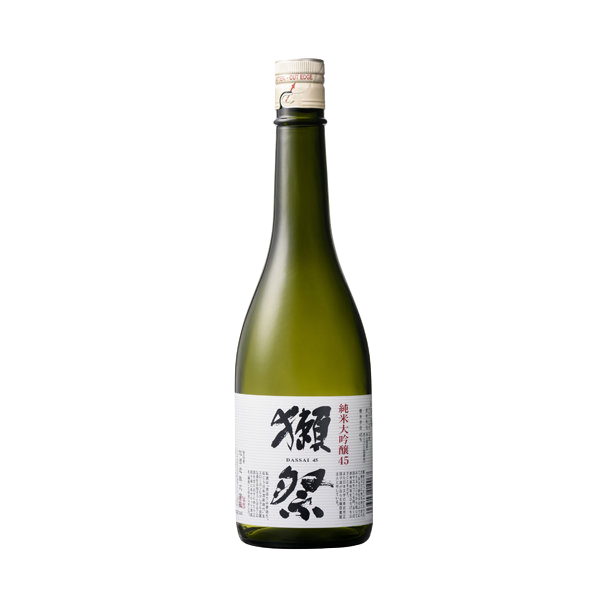
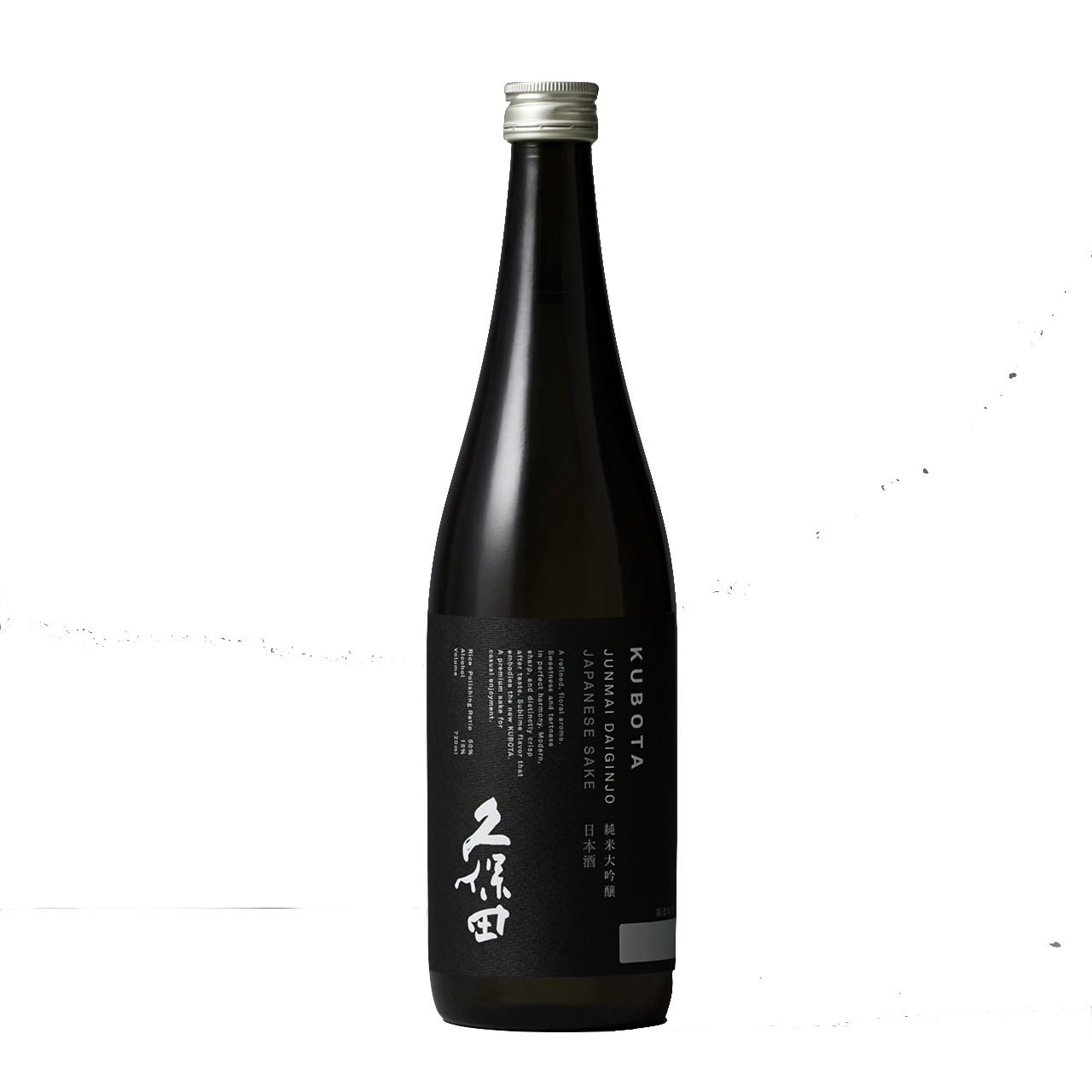
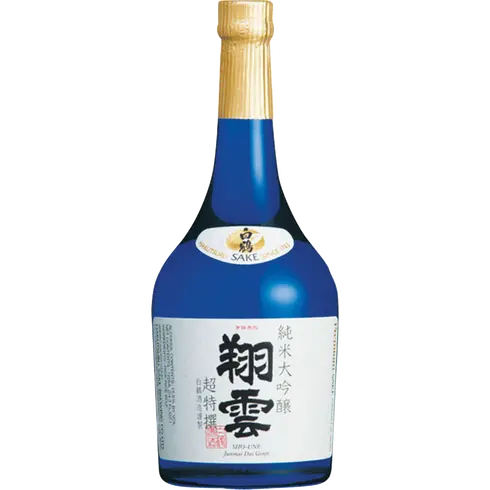
The difference comes down to rice polish and how the sake is fermented. Junmai ginjo is typically polished to 60% or less, junmai daiginjo to 50% or less, meaning more of the outer rice grain, where the fat and protein sit, is milled away before brewing. Combined with slower, cooler fermentation, that produces a lighter, more aromatic sake than what you get from a basic bottle. Dassai 45, about $27, is polished to 45% and still one of the most widely stocked bottles in the country. Kubota Junmai Daiginjo, about $30, is polished to 50%. Hakutsuru Sho Une Junmai Daiginjo, about $23, is also polished to 50%, a daiginjo level of milling at a junmai price.
The category line isn't always tidy. Konteki "Tears of Dawn" Daiginjo, about $22, is labeled a daiginjo but priced below most junmai ginjo on this list, and its notes describe a light, floral style rather than anything heavy handed. Price and category don't always move together, so it pays to read the notes on a bottle rather than the label alone.
Part of why this band works for imports is basic economics. A junmai daiginjo brewery spends more on rice, water, and slower fermentation tanks, and those costs get passed straight to the price tag. Below $20, an importer usually can't clear the cost of an actual ginjo or daiginjo and still land at a normal US shelf price, so the label defaults to junmai or honjozo. Above $30, you're often paying for reputation and small production runs as much as for extra rice polish. The $20 to $30 window is roughly where quality per dollar peaks for most drinkers.
Your First Premium Bottle
Buy one bottle to see what the fuss is about, and buy it from a category you can trust to show up well even before you know exactly what you're tasting for. That usually means junmai daiginjo, the most polished, most consistently aromatic category on this list.
Start with Dassai 45. It is a junmai daiginjo from Asahi Shuzo in Yamaguchi, polished to 45%, with clean melon and pear fruit, and it is the most widely distributed junmai daiginjo in the US, so you can find it without much searching. About $27.
If you already know you like things dry rather than fruity, make your first premium bottle Kubota Junmai Daiginjo instead. It comes from Asahi Shuzo Sake Brewing in Niigata, polished to 50%, SMV 0, and it is built in the tanrei karakuchi style the prefecture is known for: light, dry, clean. About $30, right at the edge of this list.
On a tighter budget within this range, Konteki "Tears of Dawn" Daiginjo gets you into the daiginjo category for about $22, from Higashiyama Shuzo in Kyoto's Fushimi district, described as light and floral.
Best for a Dinner Party
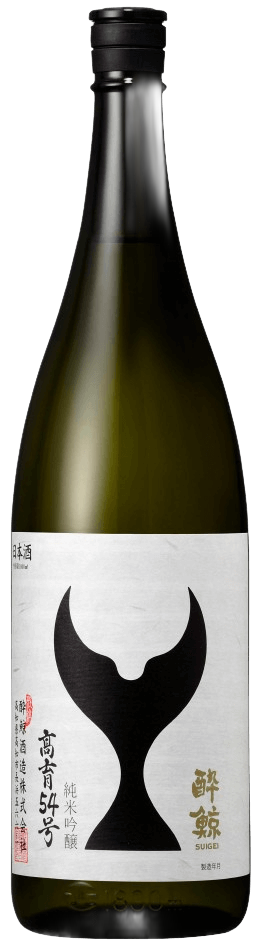
For a table where people are eating while they drink, look at Suigei Junmai Ginjo Kouiku 54 Gou. It's made with Kochi's Gin no Yume rice, polished to 50%, SMV plus 6, which puts it in a balanced middle rather than sharply sweet or dry. About $27.
If your crowd likes something with more edge, Brooklyn Kura Number Fourteen - Junmai Ginjo brings bright acidity and a slightly wild character, brewed in New York rather than Japan. SMV 0. About $27, and a good conversation starter with guests who don't expect an American kura.
For a party where you just need something reliable that won't clash with a mixed menu, Tozai Well of Wisdom is the safest bet on this list. It's a smooth, mildly fruity ginjo from Kizakura in Kyoto, and with 95 US shops carrying it, it's also the easiest bottle here to actually find on short notice. About $23.
As a general rule, a junmai style with more rice character and acidity tends to hold up better across a full meal than a very delicate daiginjo, which can get lost next to strongly flavored food. That's part of why Suigei Junmai Ginjo Kouiku 54 Gou and Brooklyn Kura Number Fourteen - Junmai Ginjo, both junmai ginjo rather than daiginjo, make sense once food is on the table.
Chill anything labeled ginjo or daiginjo before serving. The aroma these styles are built for shows up best cold, not warm.
A Gift That Doesn't Look Cheap
For a gift, you want a name or a category that reads as premium even to someone who doesn't know sake. Hakutsuru Sho Une Junmai Daiginjo does that job well: Hakutsuru is a well known brewery, and the bottle carries the daiginjo label, a 50% polish, at about $23, so it looks and tastes like more than you paid.
Kubota Junmai Daiginjo, about $30, works the same way from the other direction. The Kubota name from Asahi Shuzo Sake Brewing in Niigata carries real weight, and the clean, dry Niigata style is an easy sell to a recipient who prefers less sweetness.
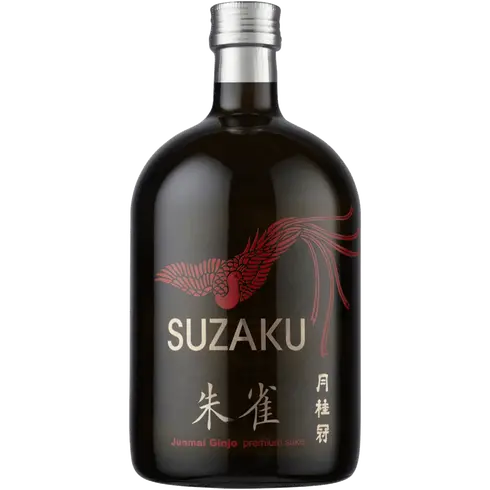
Gekkeikan Suzaku Junmai Ginjo, about $25, from Gekkeikan in Kyoto, is a dependable middle option if you want to spend less than $30 but still hand over a junmai ginjo rather than a plain junmai.
A few practical notes for gifting: check that whichever shop on OneSip you order from ships the bottle in a protective box, not just wrap, and try to hand it over within a week or two of buying it rather than letting it sit warm in a car or on a sunny shelf. None of these bottles are fragile, but heat and light are not kind to sake over time.
If You Like It Dry
- Yukiotoko Junmaishu Yeti, about $25: SMV plus 12, the driest bottle on this list, from Aoki Shuzo in Niigata
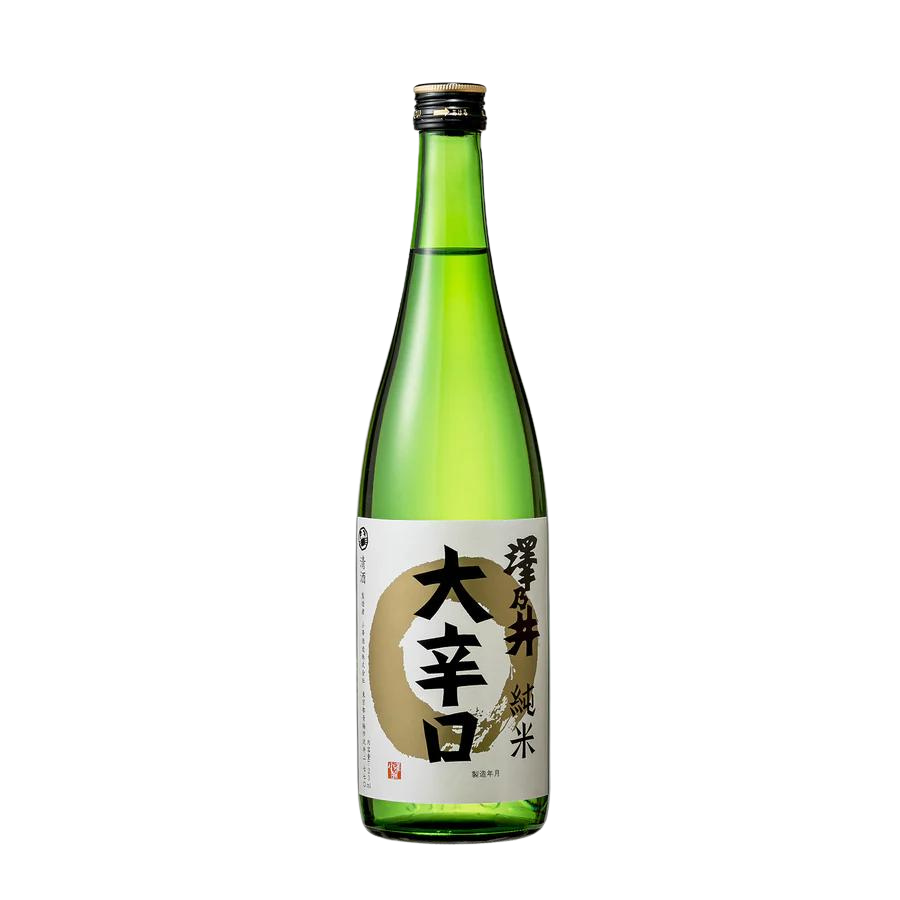
- Sawanoi Junmai Okarakuchi, about $28: SMV plus 10, from Ozawa Shuzo in Tokyo, labeled extra dry
- Kubota Senju, about $25: SMV plus 5, light and low in aroma, good slightly chilled or at room temperature
- Kubota Hyakuju, about $23: SMV plus 5, a tokubetsu honjozo from Asahi Shuzo made specifically for warming
- Hananomai Katana Cho Karakuchi, about $25: SMV plus 5, a junmai daiginjo, 60% polish, sold under the Katana label
SMV, or sake meter value, measures sugar against acid: higher numbers read drier. Anything at plus 5 or above on this list is worth reaching for if you usually drink dry wine or a crisp beer.
If You Like It Sweet or Soft
- Hakutsuru Sho Une Junmai Daiginjo, about $23: soft and gently fruity
- Shimizunomai Junmai Ginjo "Pure Dawn", about $28: soft and rice sweet, from Akita Shurui Seizo
- Yukikage Tokubetsu Junmai, about $24: soft and quietly fruity, from Kinshihai Shuzo
None of these are dessert sweet. Junmai ginjo and junmai daiginjo rarely are. What you're getting is a rounder, softer texture with less of the sharp dry finish the SMV plus 10 and up bottles above have.
How to Serve These at Home
Most of what's on this list, junmai ginjo and junmai daiginjo alike, is built to be served chilled, somewhere between a cold refrigerator and just below room temperature. Chilling keeps the more delicate aromatics from bottles like Dassai 45 or Shimizunomai Junmai Ginjo "Pure Dawn" from fading too fast.
A smaller group of bottles here are made for warmth instead. Kubota Hyakuju, a tokubetsu honjozo, is noted as made for warming, and Kubota Senju is noted as good either slightly chilled or at room temperature, so it can go either direction depending on what else is on the table.
If you're not sure where a bottle falls, start it cold. You can always let a glass sit out and warm up, but you can't undo a bottle that's already been sitting hot.
| Bottle | Category | Origin | Price (720 ml) |
|---|---|---|---|
| Dassai 45 | Junmai Daiginjo | Yamaguchi | about $27 |
| Hakutsuru Sho Une Junmai Daiginjo | Junmai Daiginjo | Hyogo | about $23 |
| Kubota Junmai Daiginjo | Junmai Daiginjo | Niigata | about $30 |
| Tozai Well of Wisdom | Ginjo | Kyoto | about $23 |
| Konteki "Tears of Dawn" Daiginjo | Daiginjo | Kyoto (Fushimi) | about $22 |
| Kubota Senju | Ginjo | Niigata | about $25 |
| Gekkeikan Suzaku Junmai Ginjo | Junmai Ginjo | Kyoto | about $25 |
| Yukikage Tokubetsu Junmai | Tokubetsu Junmai | Niigata | about $24 |
| Yukiotoko Junmaishu Yeti | Junmai | Niigata | about $25 |
| Brooklyn Kura Number Fourteen - Junmai Ginjo | Junmai Ginjo | New York | about $27 |
| Suigei Junmai Ginjo Kouiku 54 Gou | Junmai Ginjo | Kochi | about $27 |
| Kubota Hyakuju | Tokubetsu Honjozo | Niigata | about $23 |
| Shimizunomai Junmai Ginjo "Pure Dawn" | Junmai Ginjo | Akita | about $28 |
| Sawanoi Junmai Okarakuchi | Junmai | Tokyo | about $28 |
| Hananomai Katana Cho Karakuchi | Junmai Daiginjo | Shizuoka | about $25 |