Pull to refresh

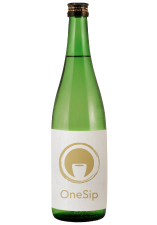
Izumibashi Tombonoettorantoyukidarumaraberu Konayukinigori Usunigori

🍶
Description

◇ Taste The fine taste of Yamada Nishiki is very well -tonged out, and the throat is very good with the label design. There is also a Christmas atmosphere. ◇ Label design "Tonbo's overwintered egg and snowman label" It is a winter -like winter that designs the "Tonbo Winter Egg" waiting for spring at the feet of a snowman that symbolizes the winter rice field. ◇ Explanation of "powdered snow" There is a reason why all products are performed with "Funa Bori" using traditional sake bags. The good thing about "tank squeezing" is that it is sensitive to changes in alcohol in the upper tank, compared to other upper tank methods. in short 1. The first muddy raw sake "Arabashiri" 2. Transparent "central" that comes out through the woven layer of the moromi itself, which is clogged with the eyes of the sake bag. 3. Finally, "Sesume" that squeezes the pressure to the last minute It is easy to divide into fragments. (Other than that, the advantage is that cleaning is easy.) Then, the breakdown is that the "Arabashi", which is completed in the upper tank at one time, is 15 % of the total, 70 % "central", and 15 % "blame". Our liquor uses these three fragments depending on the product grade. Then, this way of making "Usunigori" is when the fermentation is over. It is a product that makes good use of the muddy state of araba as "Arabashiri" + "Central and blame". Since the label is "Tonbo's winter egg and snowman label", this "Usunigori state" is called "powdered snow" in Izumibashi Sake Brewery. I am proud that it is a beautiful naming. It is a refreshing new liquor that cuts lightly in the mouth like a powdered snow. Please enjoy it.

Specifications
CategoryJunmai Ginjo
RegionKanagawa
RiceYamada Nishiki
Polish Ratio55%
Flavor Profile
Sweet
Dry
Light
Full
Crisp
Rich
Low Acid
High Acid
Smooth
Complex
Sake TypeWhat is Junmai Ginjo?

Fruity and clean — the perfect entry point into premium sake.

Learn more about Junmai Ginjo

Price information is only available in Japan.

Izumibashi Shuzo

Kanagawa
"Sake brewing is from rice making ..." Founded 1857. A brewery of sake in Ebina City, Kanagawa Prefecture. "Cultivated breweries®", which consistently performs local sake rice cultivation such as Yamada Nishiki to rice polishing and brewing. "We have been working on making sake rice in the local area, such as Ebina, Ebina, called Ebinagoi since ancient times. Carefully prepares trusted rice that has been raised with the blessings of the sun and the earth. That is our sake brewing. The story of our friends was booming while surrounding the Izumi Bridge, and the cup was overlaying ... The concept is "from rice fields to table". It is a sake brewery that starts with rice cultivation and also develops food pairing at directly managed restaurants. "symbol mark" Red dragonflies, which are often found in the Kanto region, are born and raised in rice fields, and the number of red dries increases by reducing the amount of pesticides used during cultivation of rice. At the Izumi Bridge, where many red dries fly in the autumn sky, Izumi Bridge uses red dragonfly as a symbol. "Junmai Sake 100 % Brewery" Most of our products are prepared with liquor rice such as Yamada Nishiki, which are cultivated in contract cultivated in an environment where the faces of farmers are visible locally. All products are only pure rice sake (including Junmai Ginjo and Junmai Daiginjo), which does not use any sub -prawn materials such as brewing alcohol.
Est.1857
BrandIzumibashi
Address5-5-1 Shimo Imaizumi Ebina Kanagawa

No reviews yet. Be the first to review!

🥇
Yakitori (Salt)
Japanese
★★★★☆
Traditional balance ideal for Japanese cuisine
🥈
Chawanmushi
Japanese
★★★★☆
Traditional balance ideal for Japanese cuisine
🥉
Saikyo-zuke Fish
Japanese
★★★★☆
Traditional balance ideal for Japanese cuisine
4
Shabu-shabu
Japanese
★★★★☆
Traditional balance ideal for Japanese cuisine
5
Mixed Hot Pot
Japanese
★★★★☆
Traditional balance ideal for Japanese cuisine
6
Soy Milk Hot Pot
Japanese
★★★★☆
Traditional balance ideal for Japanese cuisine
7
Green Curry
Spicy
★★★★☆
Light body refreshes the palate
8
Yakitori (Tare)
Japanese
★★★★☆
Traditional balance ideal for Japanese cuisine