
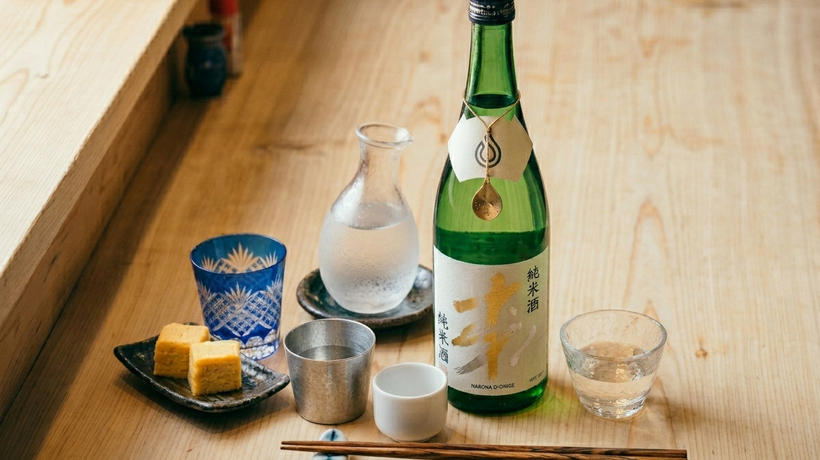
Sake is one of the most versatile alcoholic drinks in the world. It can be served anywhere from near-freezing to piping hot, in a traditional wooden box or in a delicate crystal wine glass, alongside a full meal or sipped quietly on its own. That versatility is part of what makes sake so endlessly rewarding to explore.
But with versatility comes the question of where to start. Here's a practical guide to temperature, glassware, and the basic etiquette that will help you get the most out of every pour.
Temperature: The Single Biggest Variable
No other major alcoholic drink spans as wide a temperature range as sake. Wine is typically served within a narrow 10 to 20°C window. Sake is legitimately excellent anywhere from 5°C (ice cold) to 55°C (very hot). And each temperature reveals different dimensions of the same liquid.
The Japanese have developed a vocabulary for sake temperatures that reflects how seriously this is taken. There are specific terms for about a dozen temperature points, from yukihie ("snow cold," around 5°C) to tobikiri-kan ("extra hot," around 55°C).
A wine glass is actually the ideal vessel for tasting sake — it concentrates aromas in a way that traditional ochoko cups cannot. Use it especially for aromatic Ginjo styles.
For practical purposes, here's what you need to know:
Chilled (5 to 15°C): Best for aromatic sake like Ginjo and Daiginjo. The colder temperature preserves and enhances delicate floral and fruity aromas that would be destroyed by heat. Serve premium Ginjo at around 10 to 12°C, roughly the temperature of a cool cellar.
Room temperature (15 to 20°C): Junmai and Honjozo sakes often express themselves best at room temperature, where their body and acidity are fully present without either the sharpness of cold or the roundness of warmth. This is worth experimenting with.
Warm (35 to 45°C): Traditionally called nurukan or jokan. Heating opens up the sake's texture and brings more umami and grain character to the forefront. Junmai sake is particularly well suited to gentle warming. Heat enhances the food-pairing qualities of sake, making it a natural companion to rich, savory dishes.
Hot (50 to 55°C): Atsukan, or hot sake, is the traditional style that many people outside Japan associate with sake in general. At this temperature, the sake feels warming, soothing, and comforting. Simpler sake styles actually benefit from heat, as it smooths out rough edges and emphasizes roundness. Premium Ginjo and Daiginjo should never be served this hot, as the heat destroys their delicate aromatics.
A quick rule of thumb: aromatic sake belongs cold, robust sake belongs warm. When in doubt, chilled is the safer direction for premium bottles.
Warming Sake at Home
The traditional method for warming sake is the water bath. Fill a small ceramic tokkuri (sake server) with sake and place it in a pot of just-boiled water that's been removed from the heat. Let it sit for two to three minutes. Use a cooking thermometer to check the temperature. Don't microwave sake directly, as it heats unevenly and can create hot spots that damage flavor.
Glassware: More Variety Than You'd Expect
Sake vessels range from ancient to modern, each affecting how the sake presents on the nose and palate.
Ochoko: The small cylindrical ceramic cup that most people picture when they think of sake. Typically holds 1 to 2 ounces. Excellent for warm sake, good for sharing, and traditional in both casual and formal settings.
Masu: A square wooden box, traditionally used for measuring rice and now used for drinking sake in festive settings. The cedar imparts a subtle woodsy flavor. Some restaurants place a glass inside the masu and pour until it overflows, a theatrical gesture symbolizing generosity.
Tokkuri: The ceramic flask used for serving sake, particularly warm sake. Not a drinking vessel itself, but a heating and pouring container.
Wine glass: Increasingly the vessel of choice for premium sake, particularly at tastings and in fine dining. The wine glass allows you to swirl and concentrate aromas in a way that ochoko doesn't. If you're drinking a premium Ginjo or Daiginjo for the first time and want to fully appreciate it, use a clean white wine or champagne glass.
Guinomi: A slightly larger sake cup than the ochoko, often used for casual drinking. Feels more generous than the tiny ochoko.
Basic Etiquette
Sake etiquette reflects broader values of Japanese hospitality and communal respect. You don't need to memorize every rule, but these basics will serve you well anywhere sake is served.
Pour for others, not yourself. This is the single most important etiquette point. In Japanese drinking culture, pouring your own cup is considered impolite, almost the equivalent of serving yourself first at a shared table. Keep an eye on your companion's cup, and refill it when it's low. Your companion will do the same for you.
Hold your cup when being poured. Lift your ochoko slightly toward the person pouring, and use two hands or support the base with your free hand. This shows respect and makes pouring easier.
Say kanpai before the first sip. Toast with eye contact. Kanpai (乾杯) literally means "dry cup," and the tradition is to drain a portion of your cup on the first pour.
Sip, don't shoot. Sake is brewed to be savored, not consumed like a shot. The relatively high alcohol content (14 to 16% ABV for most sake) makes this a practical recommendation as well as an aesthetic one.
Drink water alongside sake. The Japanese practice of yawaragi-mizu, or "calming water," involves drinking water between sake cups to keep the palate clean and prevent fatigue during long meals. This is good advice for anyone exploring multiple sake styles in one sitting.