Sake has a reputation for being intimidating. Between the Japanese-only labels, the polishing ratios, the SMV values, and the hierarchy of grades, it can feel like you need an advanced degree before you're allowed to enjoy it. That's not true at all.
The basics of finding sake you'll love are simpler than they appear. This guide cuts through the terminology to give you honest starting points, practical recommendations by flavor style, and a clear sense of where to go from there.
The Best First Principle: Match Your Current Tastes
Forget about trying to drink the "best" sake before you've figured out what you like. The most useful question is: what do you already enjoy?
If you like dry white wine (Sauvignon Blanc, Pinot Grigio, Muscadet): Start with a Junmai Ginjo. These sakes offer delicate floral and fruity aromas, clean acidity, and a refreshing finish that parallels what you already enjoy in white wine.
If you like aromatic whites (Riesling, Gewurztraminer): Try a Ginjo or Daiginjo, served chilled. The fruity, floral aromatics are the most wine-like quality sake offers.
If you like craft beer or malty, complex flavors: Junmai sake is your natural starting point. Its rich body, earthiness, and grain-forward character appeals strongly to beer drinkers.
If you tend toward sweet drinks: Look for nigori sake (cloudy, unfiltered) or sake with a negative SMV. Some sparkling sake styles are also quite approachable and sweet.
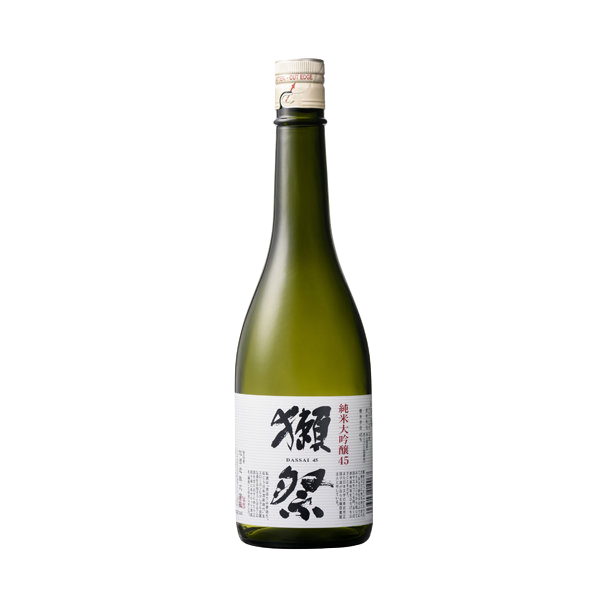
If you love crisp, dry white wines like Sauvignon Blanc, start with a Junmai Ginjo from Niigata. If you prefer fuller-bodied, fruit-forward wines, try a Daiginjo from Yamaguchi like Dassai.
If you like simplicity and easy drinking: Honjozo is an underrated choice for beginners. It's lighter than Junmai with a smooth, clean character that's easy to drink with or without food.
The Best Types of Sake for Beginners
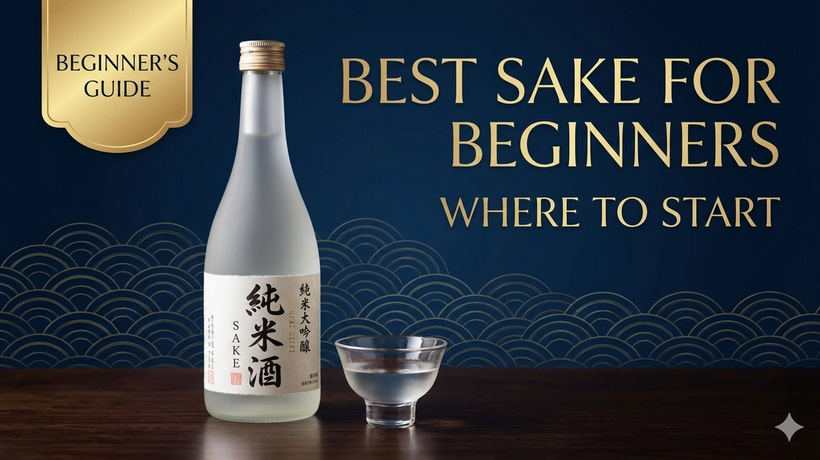
Junmai Ginjo is arguably the single best starting point for most beginners. It sits in the middle ground: more aromatic and refined than basic Junmai, less precious and expensive than Junmai Daiginjo. It's typically served chilled, making it straightforward to enjoy. The fruity notes are approachable without being overwhelming, and the acidity is balanced enough to pair well with a wide range of food.
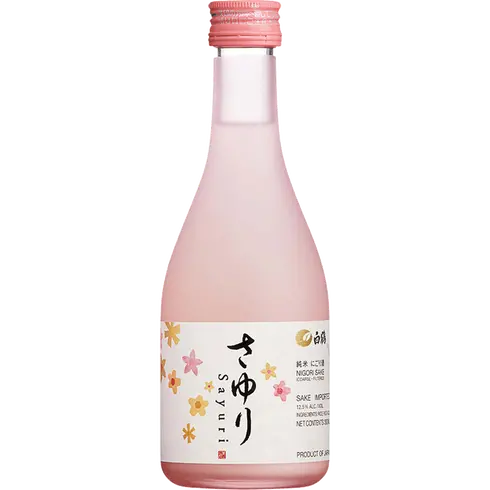
Nigori is the friendliest style for people who've heard sake described as harsh or too dry. Nigori is unfiltered, leaving rice particles in the bottle that create a creamy, cloudy appearance and a softer, sweeter flavor profile. It's often the most immediately likeable style for newcomers. Serve it very cold.
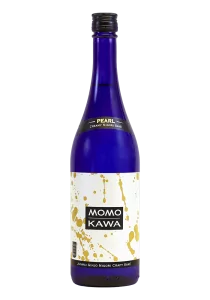
Sparkling sake is an excellent gateway for wine drinkers who prefer Prosecco or Champagne. These are light, effervescent, and often faintly sweet. Many are low in alcohol (some as low as 5% ABV), making them easy to pace. Perfect as an aperitif.
Junmai works exceptionally well if you plan to drink sake with food. Its fuller body, higher acidity, and rich flavor stand up to strongly seasoned dishes better than lighter styles. It's also the most temperature-versatile sake type, pleasant cold, at room temperature, or warmed.
| Type | Flavor Profile | Best For | Price Range |
|---|---|---|---|
| Junmai Ginjo | Fruity, aromatic, balanced | Wine lovers | $25–$40 |
| Nigori | Creamy, sweet, cloudy | Sweet drink lovers | $15–$30 |
| Sparkling | Light, bubbly, refreshing | Prosecco fans | $15–$25 |
| Junmai | Rich, savory, umami | Beer & food lovers | $18–$35 |
| Honjozo | Light, clean, smooth | Easy drinkers | $15–$25 |
What to Avoid as a Beginner
Hot sake at a cheap restaurant. If your first sake experience involved warm, slightly harsh sake at a neighborhood sushi bar, that was almost certainly futsushu, everyday commercial sake. It's inexpensive and serviceable but not representative of what premium sake can be. Don't let it define your opinion of the category.
Hot sake at cheap restaurants is almost always futsushu (table sake). Don't let it define your opinion of premium sake — the difference is enormous.
Jumping straight to expensive Daiginjo. Daiginjo is exceptional sake, but its delicate aromatics and refined complexity are best appreciated once you have some baseline familiarity with what you're tasting. Starting here is like hearing a great jazz improvisation before you know the melody.
Overpaying for unknown brands. Premium sake doesn't have to be expensive. Excellent Junmai Ginjo and Honjozo sakes exist in the $20 to $30 range, especially in cities with good Japanese wine and sake retailers.
Brands Worth Exploring as a Beginner
Rather than prescribing specific bottles (availability varies widely), here are some highly accessible brands that represent their categories well:
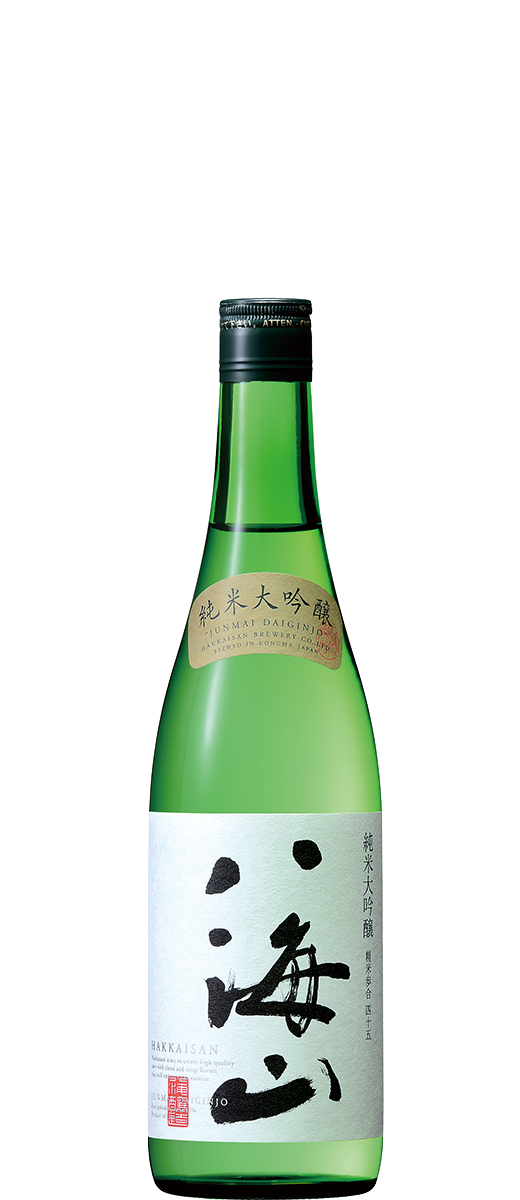
Hakkaisan: Niigata brewery known for consistent, approachable Ginjo and Daiginjo with clean, easy-to-appreciate flavors. Widely distributed in the US.
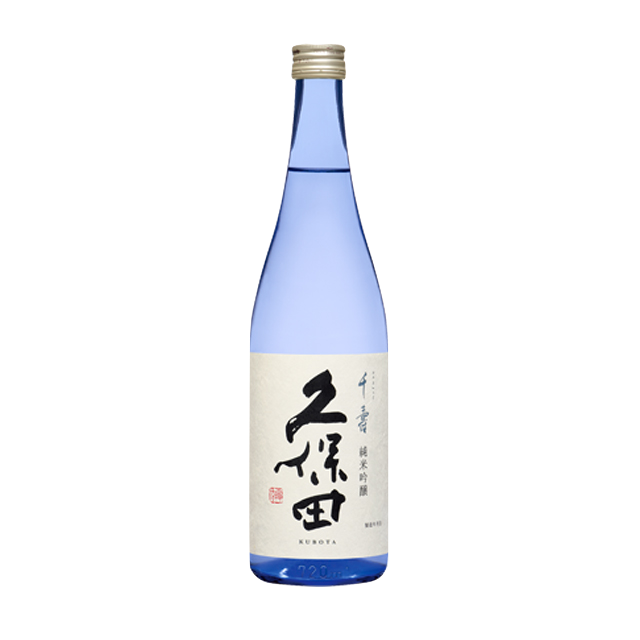
Kubota Manju: A classic Niigata-style Junmai Daiginjo with a gentle sweetness and elegant balance. One of Japan's most beloved premium sakes.
Gekkeikan: The Kyoto giant produces reliable, affordable introductory sake that's widely available. A good entry point before exploring premium options.
Dassai 45 or 39: From Yamaguchi's famous Asahi Shuzo. Dassai is an excellent introduction to what modern premium sake looks like. The 45 is more accessible in price; the 39 offers a step up in refinement.
Dewazakura Oka Ginjo: A celebrated Yamagata Ginjo that helped popularize Ginjo sake internationally in the 1990s. Widely available and excellent.
How to Actually Taste Sake
When you're ready to explore seriously, a few simple habits make the experience much more rewarding.
Use a clean wine glass. The shape concentrates aromas in a way that traditional ochoko cups don't. This is especially valuable for aromatic Ginjo styles.
Serve chilled. When in doubt, serve premium sake cold. You can always warm it up later if you want to experiment, but cold is the safer starting direction for delicate bottles.
Taste with food. Sake is designed to pair with food. Even a simple piece of sashimi, some cheese, or salty snacks will change how sake tastes on your palate and usually for the better.
Take notes. Even a simple record of what you tried, what you liked, and what you didn't, helps you learn faster. You'll quickly spot patterns in your preferences.