
🍶
Description
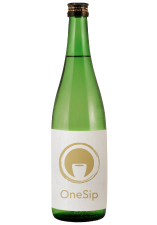
This sake, which is bottled without water, has a solid feeling and has a clean aftertaste. Kuramoto -only sake bearing the name of the name of the building.
Specifications
CategoryDaiginjo
RegionHokkaido · Hokkaido Daiginjo →
BreweryTakasagoshuzo ,Inc.
BrandKokushimusou
RiceSuisei
ABV17%
Polish Ratio40%
Flavor Profile
Subtle
Aromatic
Light
Full
Estimated from the category and polishing ratio, not a measurement of this bottle.
Sake TypeWhat is Daiginjo?
Highly aromatic and elegant, with added alcohol to enhance floral notes.
Learn more about DaiginjoWhere to Buy
Loading prices...
Reviews
Check-ins & reviews (0)
No reviews yet. Be the first to review!
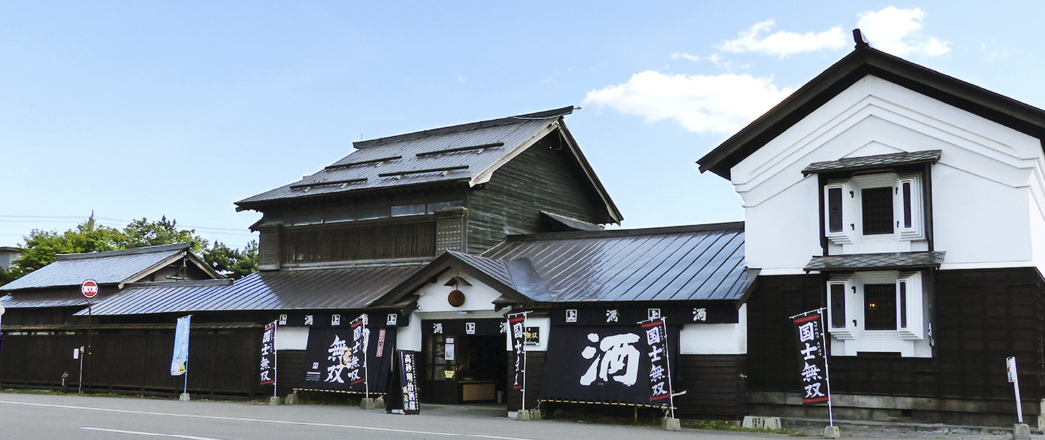
Takasagoshuzo ,Inc.
Hokkaido
Asahikawa's local sake brewery founded in 1899. Asahikawa is surrounded by severe climate and the nature of Daisetsuzan, and is a rich area with water resources, and is called the "Nada of the North Sea".
The rice used is a high reputation for using Hokkaido rice, such as "Ginfu", "Comet", and "Kitashizuku", for more than 90 % of the total, and has been highly evaluated by sake brewing using Hokkaido rice.
In 1975, the Kokuri Dry Sake "Kokushi Musou", which was born in consideration of changes in people's preferences, is a liquor that is entrusted with the wish that "there are no two in the world and can be handed down to posterity". , It is a representative brand of Takasago Sake Brewery.
In recent years, the adoption of an eco -friendly storage method "Snow Storage Law" that uses the natural environment unique to a snow country, and the sake lees that are refined about 50 tons per year, making use of the regional characteristics of raw material rice production areas in Hokkaido. We continue to build "things that can only be found here" as a local sake brewery in Asahikawa, such as product development with other companies that have been used effectively.
Est.1899
BrandKokushimuso
Address17th Miyashita -dori Asahikawa Hokkaido No. 1


More from this Brewery
Pairings
Food type guide
A general guide based on this sake’s category, not an analysis of this particular bottle.Chawanmushi
Japanese
Saikyo-zuke Fish
Japanese
Mixed Hot Pot
Japanese
Soy Milk Hot Pot
Japanese
Yakitori (Salt)
Japanese
Yakitori (Tare)
Japanese
Grilled Eel
Japanese
Simmered Fish
Japanese