

Description
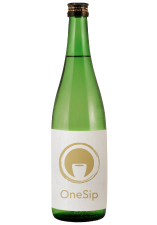
Gochoda Brewery's Azumaichi Junmai Daiginjo uses Yamada Nishiki at 49% — quiet elegance with soft floral notes, smooth acidity, and rice umami praised at Joy of Sake.
Specifications
CategoryJunmai Daiginjo
RegionSaga · Saga Junmai Daiginjo →
BreweryGochoda Brewery
BrandAzumaichi
RiceYamada Nishiki
Polish Ratio49%
Flavor Profile
Subtle
Aromatic
Light
Full
Estimated from the category and polishing ratio, not a measurement of this bottle.
Sake TypeWhat is Junmai Daiginjo?
The pinnacle of sake — pure rice, no added alcohol, extraordinary precision.
Learn more about Junmai DaiginjoWhere to Buy
16
Shops
16
Offers
¥996
Lowest (incl. tax)
RegionOffersFrom
Loading prices...
Reviews
Check-ins & reviews (0)
No reviews yet. Be the first to review!

Gochoda Brewery
Saga
<Forganization> "People, rice, and structure are integrated and brew good sake."
The motto is "Sake Brewery raised from rice".
<Commitment>
(1) Commitment to "rice making": The sake rice "Yamada Nishiki" is located in the rice fields around the warehouse
People in local cultivation and brewers are raising sake rice. The temperature of the year
By grasping the climate and rice conditions, we predict the melting condition of rice in that year.
In addition, we are particular about the rice polishing rice.
② Commitment to "tools": "Wooden square koshiki" that enables uniform steaming,
Uniquely, such as "original Ginjo preparation tank" designed that tends to cause convection.
I use tools.
<History> In 1922, we founded it from Seigo Sake Brewery and founded it.
In 1988, we started cultivation of Yamada Nishiki, which was difficult to obtain in the prefecture.
<Origin of brands> stocks: Higashiichi has the idea of "aiming for the best sake in Toyo."
At the beginning of the company, it was shipped only in Japan,
I named it to aim for the wider area in a wide area than in Japan.
Est.1922
BrandAzumaichi
Address2081 Gotomachi Shiota Ureshino Saga


More from this Brewery
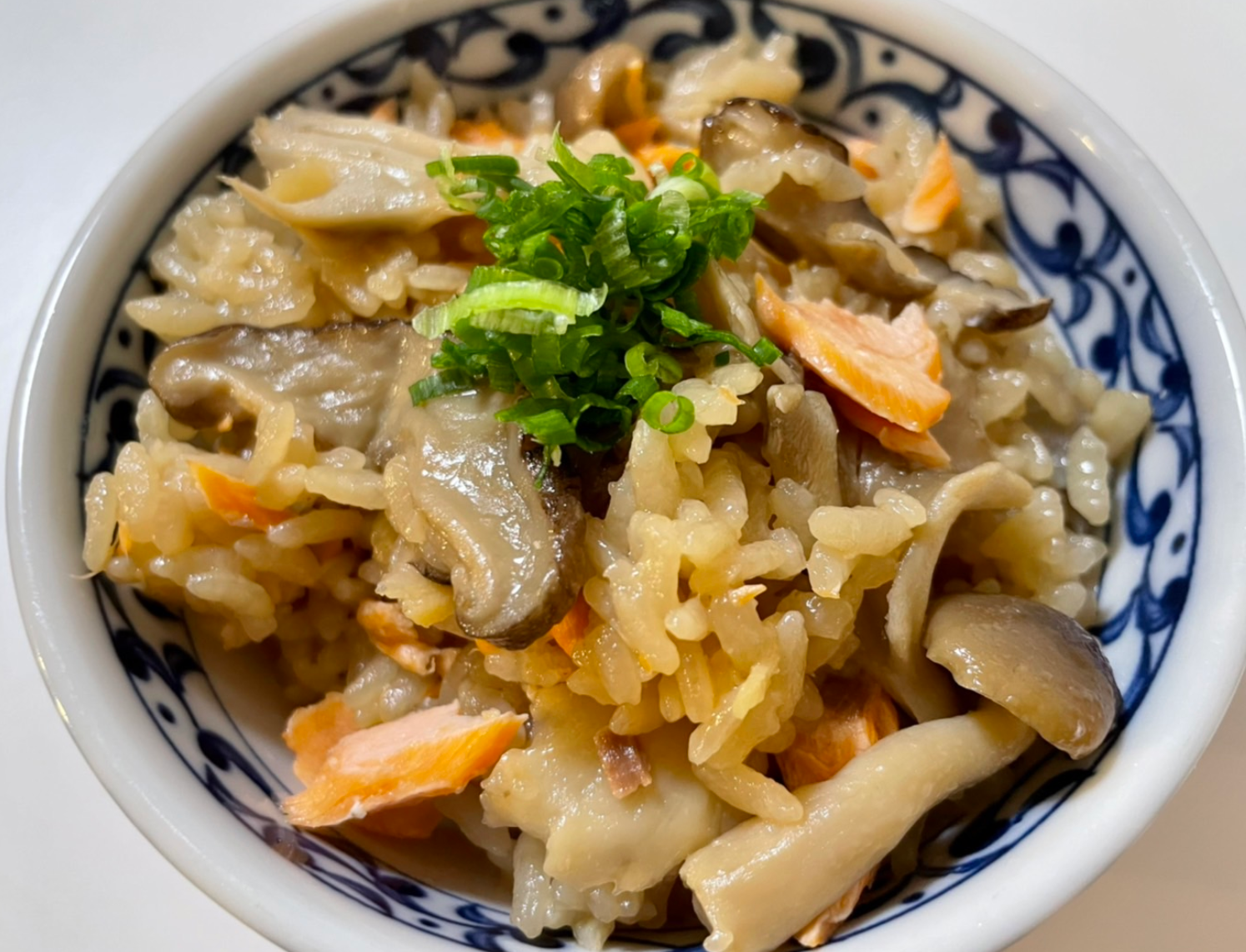
Pairings
Food Pairing
All recipes →Recipes paired with this sake
Food type guide
A general guide based on this sake’s category, not an analysis of this particular bottle.Yakitori (Salt)
Japanese
Chawanmushi
Japanese
Saikyo-zuke Fish
Japanese
Shabu-shabu
Japanese
Mixed Hot Pot
Japanese
Soy Milk Hot Pot
Japanese
Green Curry
Spicy
Yakitori (Tare)
Japanese