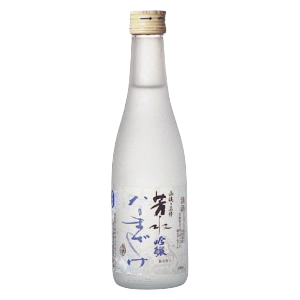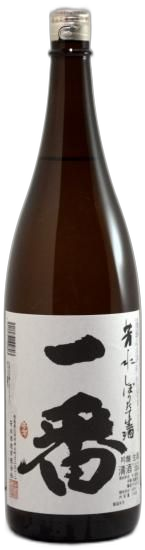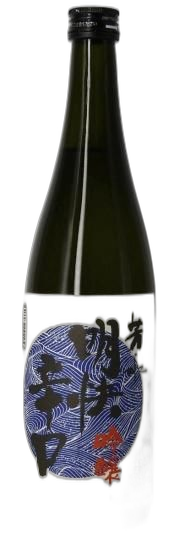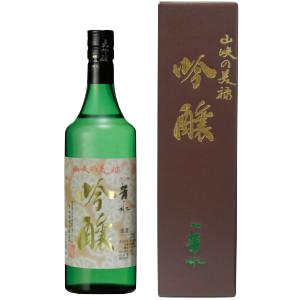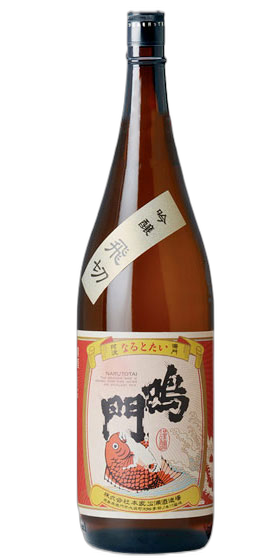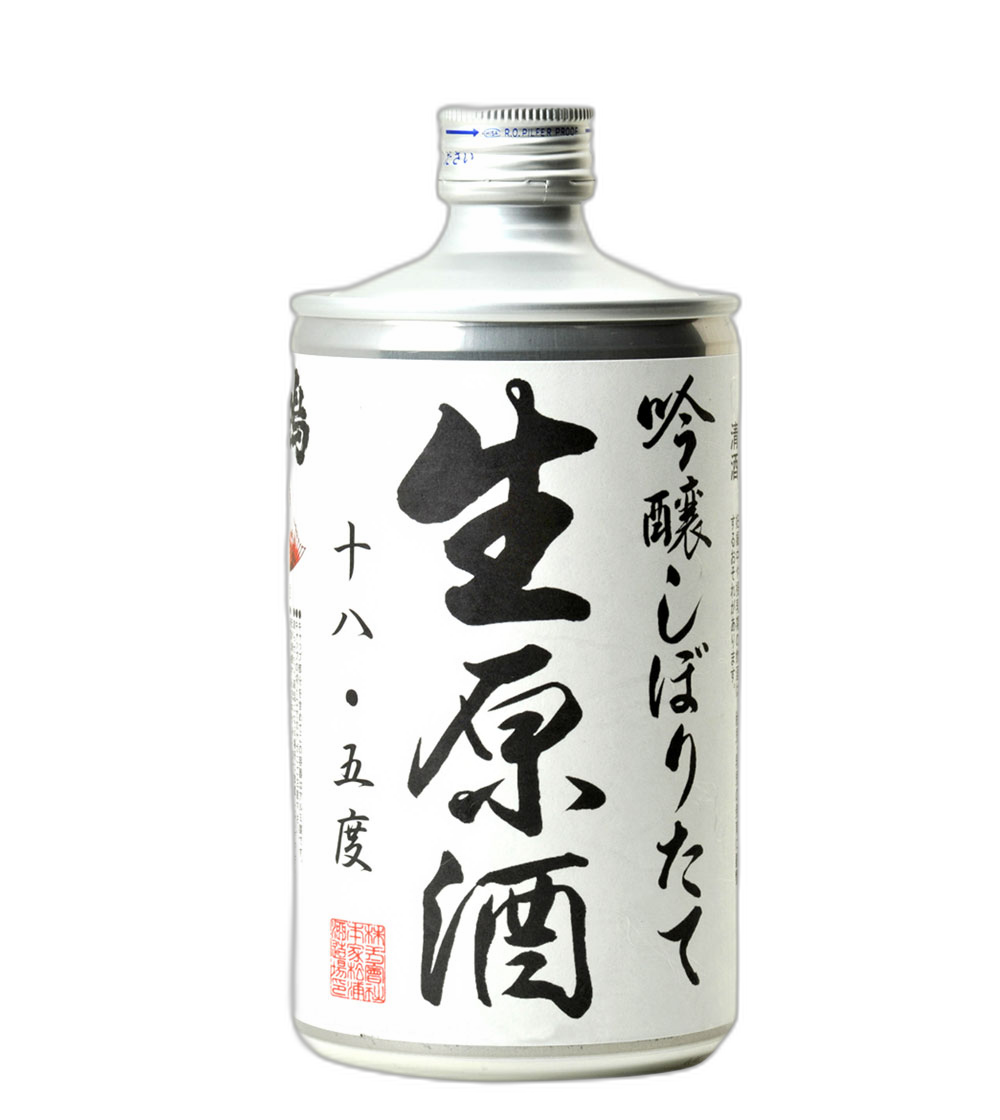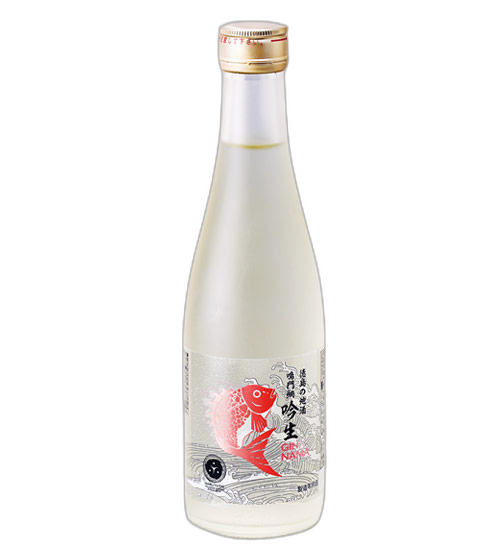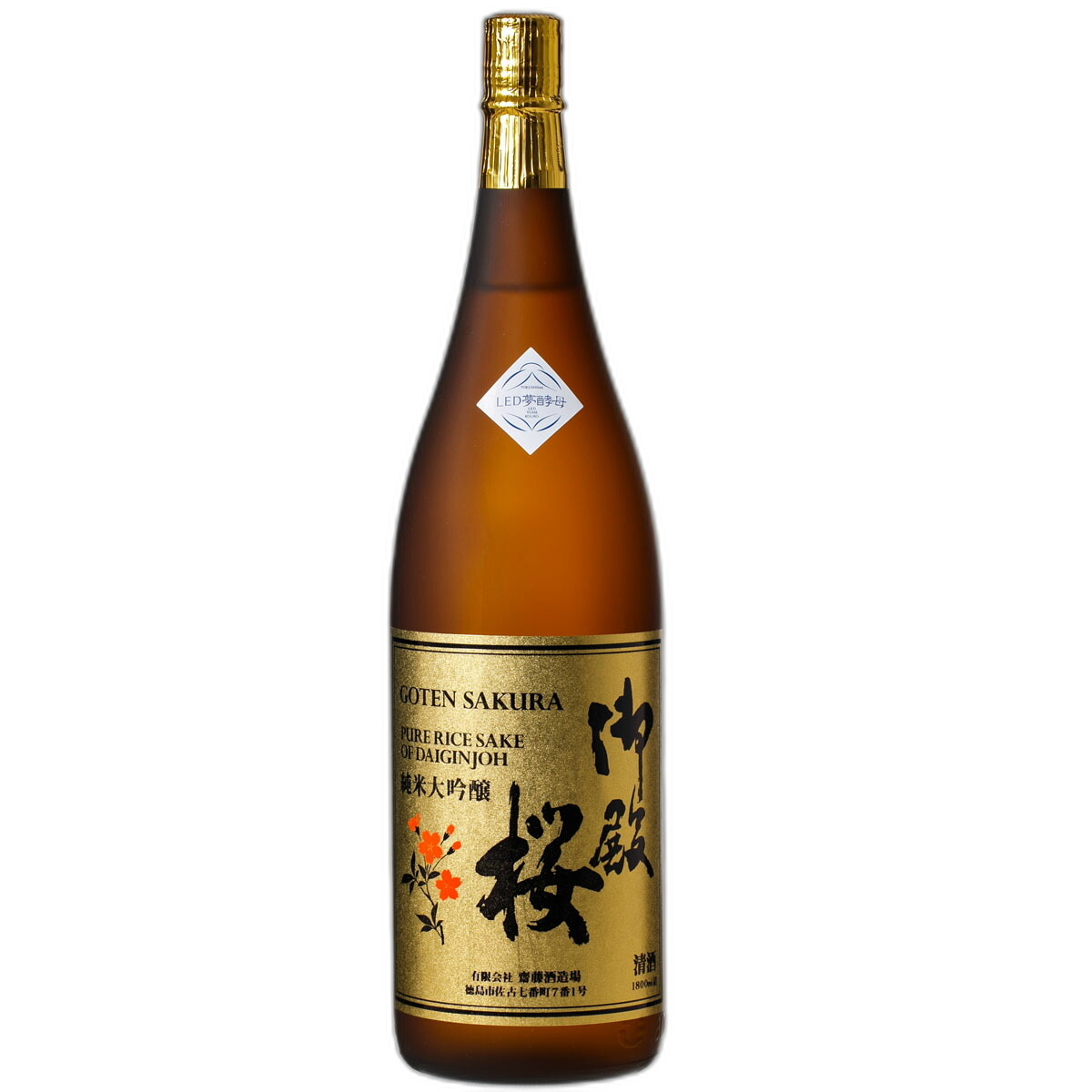
Best Tokushima Ginjo Sake
Tokushima's Yoshino River provides clean brewing water, and while the prefecture is not a major sake region, it maintains a quiet sake tradition tied to its festivals — most famously the Awa Odori, where sake flows freely during the summer dance festival.
Ginjo is the entry point to the world of aromatic, elegant sake, defined by rice polished to at least 60% and the option to add a small amount of distilled alcohol to enhance fragrance. The result is a sake that is lighter and more aromatic than everyday styles, yet more accessible in price than Daiginjo. The characteristic ginjo fragrance, known as ginjoka, features notes of fresh fruit, florals, and sometimes a subtle banana or melon character from the specialized yeasts used in fermentation. On the palate, Ginjo is clean and refreshing, with a lightness that makes it an ideal aperitif or pairing for delicate cuisines. For those exploring sake for the first time, Ginjo offers a compelling gateway: aromatic enough to be immediately engaging, approachable in body and price, and widely available in restaurants and specialty retailers worldwide.