Pourquoi les brasseries de saké disparaissent au Japon
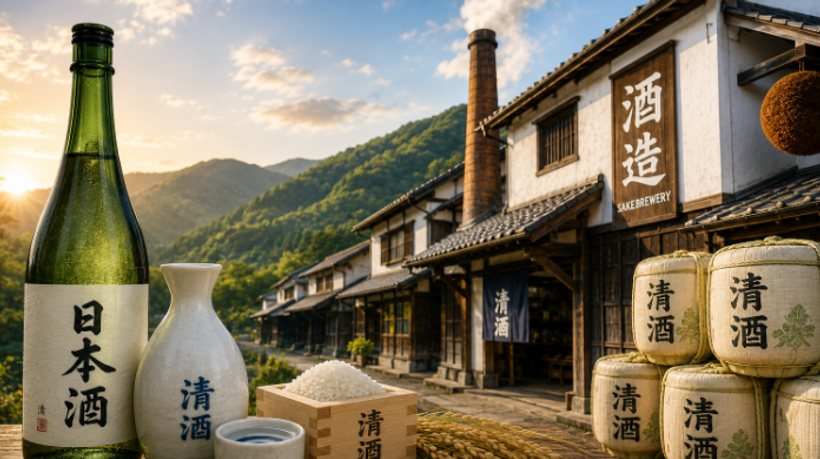
Selon les estimations historiques, le Japon comptait autrefois près de 30 000 brasseries de saké. Aujourd'hui, il n'en reste plus qu'environ 1 100 encore en activité, et leur nombre continue de diminuer.
Ce déclin ne s'est pas produit du jour au lendemain.
La plupart des brasseries ne publient jamais d'annonce officielle lorsqu'elles ferment. Dans une culture où l'échec d'une entreprise reste souvent vécu avec discrétion, beaucoup cessent simplement de produire et ferment leurs portes dans le silence.
Pourtant, cette évolution dépasse largement le cadre d'un simple secteur économique.
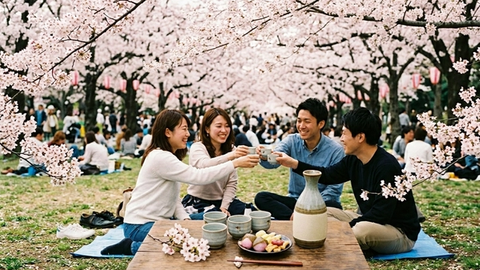
Le saké est la boisson nationale du Japon. Il accompagne les cérémonies shinto, les mariages, les fêtes du Nouvel An et d'innombrables moments importants de la vie japonaise.
Pourquoi les brasseries disparaissent-elles ? Et existe-t-il encore un espoir d'inverser cette tendance ?
Comprendre cette situation permet de mieux découvrir non seulement le saké, mais aussi la culture, les traditions et le savoir-faire japonais.
Comment le Japon a perdu des milliers de brasseries
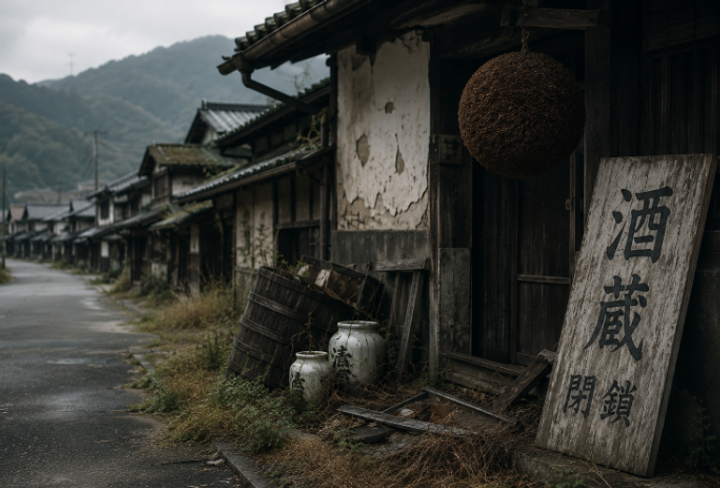
L'industrie du saké n'a pas toujours été en difficulté.
Pendant des siècles, le saké était la boisson alcoolisée la plus consommée au Japon. Dans les années 1960, plus de 90 % des adultes japonais déclaraient en boire régulièrement.
Puis la période de forte croissance économique a profondément changé les habitudes.
À partir des années 1960 et 1970, la bière est devenue le symbole d'un mode de vie moderne. Avec la popularité croissante de la cuisine occidentale, le whisky s'est imposé, tandis que le shōchū gagnait également de nouveaux consommateurs.
Peu à peu, le saké a été associé à une image plus traditionnelle : une boisson réservée aux personnes âgées, aux restaurants japonais ou aux grandes occasions.
Les jeunes générations se sont tournées vers des boissons plus variées et plus internationales, entraînant une baisse continue de la consommation.
Depuis son pic atteint dans les années 1970, la consommation nationale de saké a diminué d'environ 70 %.
Face à un marché en constante contraction, de nombreuses petites brasseries régionales n'ont plus réussi à survivre.
Pourquoi est-il si difficile de créer une nouvelle brasserie ?
La baisse de la consommation n'explique pas tout.
Contrairement à la bière ou au vin, ouvrir une nouvelle brasserie de saké au Japon reste extrêmement difficile.
Depuis plusieurs décennies, le Japon applique un système très strict de licences de production de seishu (saké), afin de maintenir un équilibre entre l'offre et la demande.
À l'origine, cette réglementation visait à protéger les producteurs existants alors que le marché intérieur diminuait.
Mais elle a également limité l'arrivée de nouveaux acteurs.
Aujourd'hui, un jeune brasseur souhaitant produire du saké doit généralement reprendre une brasserie existante, hériter d'une entreprise familiale ou acquérir une licence déjà attribuée.
Comparé à d'autres secteurs des boissons alcoolisées, le saké reste donc particulièrement difficile d'accès, ce qui ralentit l'innovation et le renouvellement des générations.
Depuis 2021, le Japon autorise toutefois des licences destinées exclusivement à la production pour l'exportation, signe que les marchés internationaux joueront un rôle de plus en plus important dans l'avenir du secteur.
Une population vieillissante, une industrie vieillissante
Le vieillissement de la population japonaise accentue encore ces difficultés.
Les consommateurs qui buvaient traditionnellement du saké sont de moins en moins nombreux, tandis que les jeunes générations ont grandi avec la bière, le vin, le whisky, les cocktails ou les bières artisanales.
Le manque de main-d'œuvre touche également les brasseries.
Autrefois, de nombreux agriculteurs travaillaient comme ouvriers saisonniers dans les brasseries pendant l'hiver.
Ce modèle a pratiquement disparu.
Les petites et moyennes brasseries rencontrent aujourd'hui de grandes difficultés pour recruter et former de nouveaux artisans.
Le tōji, le maître brasseur responsable de toute la production, doit acquérir plusieurs décennies d'expérience avant de maîtriser pleinement son métier.
Même si de jeunes brasseurs sont formés chaque année, leur nombre ne suffit pas à remplacer les maîtres qui prennent leur retraite.
Ce que l'on perd lorsqu'une brasserie ferme
La disparition d'une brasserie représente bien plus que la fermeture d'une entreprise.
Chaque brasserie possède son eau, son riz, ses levures, sa manière de produire le kōji et sa propre philosophie de fabrication.
Un saké élaboré avec les eaux de montagne d'Akita n'aura jamais le même caractère qu'un saké produit à Hiroshima, Niigata, Saga ou Ishikawa.
Ces différences sont le reflet du terroir.
Lorsqu'une brasserie disparaît, c'est aussi une saveur unique qui s'éteint.
Les levures propres à la maison, les techniques artisanales, le savoir-faire du tōji et les traditions locales sont rarement transmissibles dans leur intégralité.
Le brassage du saké repose autant sur l'expérience et l'intuition que sur la technique.
Sans successeur, plusieurs siècles de connaissances peuvent disparaître avec la fermeture d'une seule brasserie.
Les marchés internationaux offrent un nouvel espoir
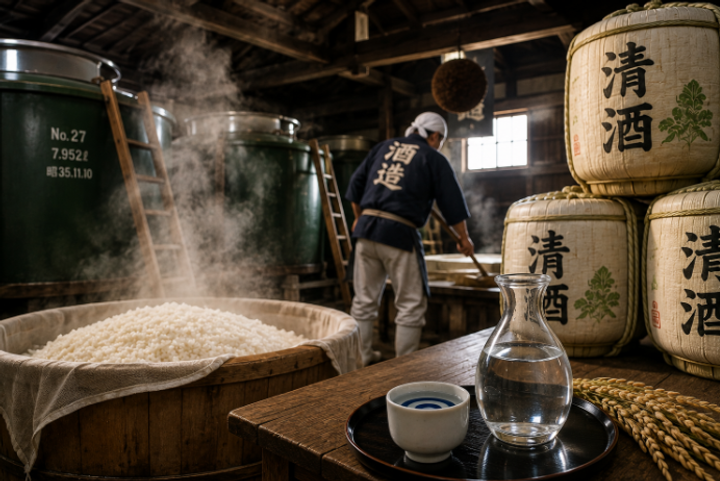
L'avenir du saké ne se résume pourtant pas à son déclin.
Alors que la consommation continue de diminuer au Japon, les exportations progressent régulièrement depuis plus de dix ans.
Aujourd'hui, le saké est exporté vers plus de 80 pays et régions, et la valeur des exportations a fortement augmenté depuis 2013.
Les États-Unis constituent le premier marché à l'export, suivis par la Chine, Hong Kong, la Corée du Sud, Singapour et un nombre croissant de pays européens.
Le saké n'est désormais plus réservé aux restaurants japonais.
On le retrouve sur les cartes de restaurants étoilés au Guide Michelin, dans les caves spécialisées, les hôtels de luxe et même les bars à cocktails. De plus en plus de chefs et de sommeliers découvrent sa richesse aromatique et son incroyable capacité à accompagner des cuisines très variées.
Pour de nombreuses brasseries, les marchés internationaux représentent bien plus qu'un simple débouché commercial.
Ils offrent une véritable possibilité de poursuivre leur activité, notamment grâce à la forte demande pour les sakés haut de gamme comme les Junmai Ginjō et les Daiginjō.
Les exportations ne suffiront pas, à elles seules, à inverser le déclin de toute l'industrie. Elles constituent néanmoins l'une des plus grandes sources d'espoir pour de nombreuses brasseries japonaises.
La reconnaissance de l'UNESCO
En décembre 2024, les « connaissances et savoir-faire traditionnels liés à la fabrication du saké japonais » ont été inscrits sur la Liste représentative du patrimoine culturel immatériel de l'humanité de l'UNESCO.
Cette reconnaissance ne concerne pas une boisson en particulier, mais les techniques de brassage transmises depuis des siècles pour produire le saké, le shōchū, l'awamori et d'autres alcools traditionnels japonais.
Cette inscription ne résout pas immédiatement les difficultés auxquelles les brasseries sont confrontées.
En revanche, elle contribue à faire connaître au monde entier la richesse du patrimoine brassicole japonais.
Comme l'inscription du washoku, la cuisine traditionnelle japonaise, en 2013, cette reconnaissance pourrait encourager le tourisme brassicole, soutenir les exportations et renforcer l'intérêt international pour le saké.
Le Craft Sake : une nouvelle génération d'innovation
Parallèlement, une nouvelle génération de producteurs explore de nouvelles voies.
Le meilleur exemple est le Craft Sake.
Inspiré des techniques traditionnelles du saké, le Craft Sake utilise parfois des fruits, des plantes aromatiques ou d'autres ingrédients, ainsi que des méthodes de fermentation plus libres.
Pour cette raison, il n'entre généralement pas dans la catégorie légale du seishu (saké traditionnel).
Cette liberté permet toutefois une créativité remarquable.
De jeunes producteurs cherchent ainsi à séduire un public qui ne consommait pas forcément de saké auparavant et à faire découvrir la culture japonaise de la fermentation sous un angle nouveau.
Même si ce marché reste encore modeste, le Craft Sake démontre que la culture du saké continue d'évoluer.
Ce que chacun peut faire
L'avenir des brasseries japonaises ne dépend pas uniquement des pouvoirs publics ou des producteurs.
Les consommateurs peuvent eux aussi jouer un rôle important.
Choisir les sakés de petites brasseries régionales plutôt que les seules grandes marques.
Visiter une brasserie lors d'un voyage au Japon.
Découvrir l'histoire qui se cache derrière chaque bouteille et partager cette passion avec son entourage.
Ces gestes, même modestes, contribuent à préserver une tradition vieille de plusieurs siècles.
Pour une petite brasserie familiale, chaque nouveau passionné compte.
Acheter une bouteille de saké, c'est aussi soutenir un savoir-faire, une région et une culture qui se transmettent de génération en génération.
Derrière chaque bouteille se cache une histoire
Chaque bouteille de saké raconte l'histoire d'une brasserie, d'une région et des femmes et des hommes qui la produisent.
En découvrant ces histoires, le saké devient bien plus qu'une simple boisson.
OneSip répertorie plus de 25 000 sakés provenant de tout le Japon et vous permet d'explorer les brasseries, les régions, les profils aromatiques et les histoires qui se cachent derrière chaque bouteille.
À une époque où de plus en plus de brasseries disparaissent, découvrir et soutenir celles qui continuent de produire est plus important que jamais.
Explorez la base de données OneSip et trouvez le saké qui vous correspond.