
🍶
Description
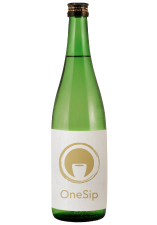
야마다니시키를 40% 정미한 다이긴조 '스키 마사무네 하나' 중에서도, 토빈 채취라는 특별한 방법으로 한 방울씩 모은 희귀한 한 병입니다. 공을 아끼지 않는 정성스러운 양조가, 더욱 섬세하고 투명감 있는 향기와 맛을 만들어냅니다.
Specifications
Flavor Profile
Sweet
Dry
Light
Full
Crisp
Rich
Low Acid
High Acid
Smooth
Complex
Loading prices...
무사시노 슈조 주식회사
니가타현
정확한 창업 연도는 알 수 없으나 1800년대로 추정된다. 너무 자극적이지 않아 마셔도 질리지 않는 술을 추구하며, 눈이 많이 내리는 다카다 지역의 쌀과 물로 전통 양조 방식을 고집하고 있다.
Brand스키?마사무네


More from this Brewery
No reviews yet. Be the first to review!
Food type guide
General guidance on food categories that tend to suit this style🥇
Yakitori (Salt)
Japanese
★★★★★
Traditional balance ideal for Japanese cuisine
🥈
Yakitori (Tare)
Japanese
★★★★★
Traditional balance ideal for Japanese cuisine
🥉
Grilled Eel
Japanese
★★★★★
Traditional balance ideal for Japanese cuisine
4
Saikyo-zuke Fish
Japanese
★★★★★
Traditional balance ideal for Japanese cuisine
5
Simmered Fish
Japanese
★★★★★
Traditional balance ideal for Japanese cuisine
6
Oden
Japanese
★★★★★
Traditional balance ideal for Japanese cuisine
7
Sukiyaki
Japanese
★★★★★
Traditional balance ideal for Japanese cuisine
8
Shabu-shabu
Japanese
★★★★★
Traditional balance ideal for Japanese cuisine