
🍶
Description
Ooseto rice, a Kagawa-developed brewing variety, is polished to 70% in this honjozo from NISHINOKINRYO in Kagawa Prefecture. This expression won a gold medal at the National Kanso Contest in 2020, reflecting the brewery's mastery of producing a balanced, food-pairing honjozo from regional Shikoku rice.
Specifications
CategoryHonjozo
RegionKagawa · Kagawa Honjozo →
BreweryNISHINOKINRYO CORP.
BrandKinryo
RiceOoseto
ABV14%
Polish Ratio70%
Flavor Profile
Subtle
Aromatic
Light
Full
Estimated from the category and polishing ratio, not a measurement of this bottle.
Sake TypeWhat is Honjozo?
Versatile and food-friendly with a smooth, light character.
Learn more about HonjozoWhere to Buy
Loading prices...
Reviews
Check-ins & reviews (0)
No reviews yet. Be the first to review!
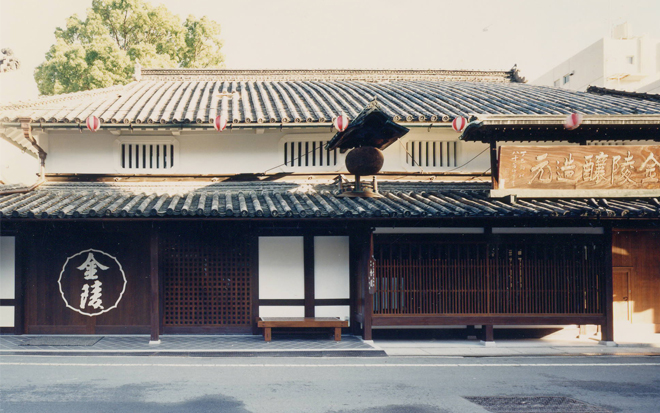
NISHINOKINRYO CORP.
Kagawa
Founded in the first year of Kansei (1789). Sake Kinryo has been called "Sanuki no Konpira" since the Edo period, and has been drunk by Konpira who gathered from all over the country as a sacred sake of the guardian god of maritime transportation, Kinhira Shrine. Even today, so that more people will be pleased with the "Enshu Water from Konpiroyama (the sacred area of Konpira)", and "Oshigamizu of Kuhara Hachiman Shrine, which has a history of over 900 years". As a raw material, "Sanuki Plain Sanuki rice (Ooseto / Sanukiyaii)" is inherited from the tradition, skills, and heart cultivated in the history of more than 220 years in quality, and we are working hard on sake brewing.
Kagawa prefecture in udon prefecture, a small prefecture with the smallest area of Japan, a prefecture that is recognized by a shortage of water.
I hear that many people know where they are in Shikoku in the north of Kanto.
Because there is no water, there is no rice, and you are asked, "Can you make sake?"
In the old days, the donation of the Taisho Festival, which is the throne of Emperor Taisho, is from the main Saita of Kagawa Prefecture.
It has been proven that sunshine hours are long, good quality water springs, and good quality rice can be removed.
Furthermore, the climate that stuffs the sake brewing.
Irrigation water from Manno Pond, the best pond in Japan, which is said to have been restored by Kobo Daishi Kukai,
We are blessed with a cold environment due to the mountain wholesaler from Konpira in winter.
We have been most focusing on "polite koji making" using local raw rice.
I try to store the squeezed sake at the best timing and store low -temperature bottles.
In recent years, in addition to the old -fashioned standard sake, in order to meet the request of the drinker.
We are trying to develop products that make use of sourness.
Use wine yeast and olive olive olive yeast, etc.
Expanded low alcohol and sweet and sour systems that were impossible in the past
I am conscious of compatibility with various scenes and cooking.
・ Reasons for keeping alcohol in the land
The sake that has been drained in the land and climate is perfect for those and food.
Because it was shaped with the same water.
I also want people coming from outside the prefecture or foreign countries to know about Sanuki's eating and drinking.
There is also a desire to return to the town and send information.
Aiming for sake that can imagine Sanuki.
Sake brewing is the sum of people, and everyone is united and the power of 10 can be 20 or 30.
I am aiming for teamwork.
Only the creator of the person who drinks "Delicious!"
Est.1789
BrandKinryou


More from this Brewery
Pairings
Food type guide
A general guide based on this sake’s category, not an analysis of this particular bottle.Yakitori (Salt)
Japanese
Shabu-shabu
Japanese
Mixed Hot Pot
Japanese
Chawanmushi
Japanese
Green Curry
Spicy
Yakitori (Tare)
Japanese
Grilled Eel
Japanese
Saikyo-zuke Fish
Japanese