
🍶
Description
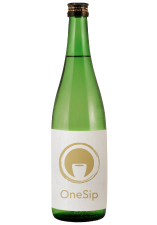
Junmai ginjo brewed from Omachi rice using the kimoto method, which relies on natural lactic acid bacteria to build a robust and complex yeast mash. Iwase Shuzo's yamahai and kimoto work is central to the Iwanoi identity, with traditional-method brewing accounting for roughly 30% of total production. The combination of Omachi's deep umami and kimoto's layered acidity results in a sake that broadens with gentle warming.
Specifications
Flavor Profile
Subtle
Aromatic
Light
Full
Estimated from the category and polishing ratio, not a measurement of this bottle.
Sake TypeWhat is Junmai Ginjo?
Fruity and clean — the perfect entry point into premium sake.
Learn more about Junmai GinjoWhere to Buy
Loading prices...
Reviews
Check-ins & reviews (0)
No reviews yet. Be the first to review!
Iwaseshuzou Co.,Ltd
Chiba
The founding was said to be Kyoho 8 (1723), and it has been inherited by the side of the owner for generations, but since the Taisho era, we have been focusing on sake brewing in earnest, and at the National Sake Appraisal in 1947. I have been awarded the chief.
Currently the representative, Nowa Iwase, is the 11th generation.
In about 10 minutes from the warehouse, the shore coast, named "the Desert of the Moon", is expanding.
Since the warehouse water is close to the coast, the groundwater passes through the shell layer, and the hardness is high in Japan, which is "13 to 15 to 15".
If there are many calcium and magnesium, fermentation is high and fermented. By preparing with high -hardened water and preparing with "mountain elimination", it will be a rich and sour liquor with a umami.
In order to bring out the flavor of rice, which is a characteristic of the sake quality of Iwanoi, we are particular about the "mountain abandoned preparation", and two -thirds of the overall amount of preparation are brewed with "mountain abolition".
Est.1723
BrandIwanoi
Address1916 Kubo Mijuku Isumi Chiba


More from this Brewery
Pairings
Food type guide
A general guide based on this sake’s category, not an analysis of this particular bottle.Chawanmushi
Japanese
Saikyo-zuke Fish
Japanese
Mixed Hot Pot
Japanese
Soy Milk Hot Pot
Japanese
Yakitori (Salt)
Japanese
Yakitori (Tare)
Japanese
Simmered Fish
Japanese
Oden
Japanese