Pull to refresh

Jummai Ginjo Momonosato

Jummai Ginjo Momonosato - Junmai Ginjo sake from Akaiwashuzou Kabushikigaisha, Okayama
Description

Akaiwashuzou (赤磐酒造), situated in the Akaiwa hills of Okayama, built its flagship Momonosato line around the Asahi rice variety, a cultivar so demanding to grow that it nearly vanished before Okayama farmers revived it in the twentieth century. This junmai ginjo uses Asahi polished to 50%, drawing out the rice's characteristic round sweetness and gentle umami that Gohyakumangoku and Yamada Nishiki cannot replicate. The name Momonosato, meaning Village of Peaches, reflects Okayama Prefecture's identity as Japan's foremost peach-producing region, and the sake carries something of that landscape: soft, fruit-forward aromatics with a clean, polished finish.

Specifications
CategoryJunmai Ginjo
RegionOkayama
RiceAsahi
Polish Ratio50%
Flavor Profile
Sweet
Dry
Light
Full
Crisp
Rich
Low Acid
High Acid
Smooth
Complex
Sake TypeWhat is Junmai Ginjo?

Fruity and clean — the perfect entry point into premium sake.

Learn more about Junmai Ginjo

Price information is only available in Japan.

Akaiwashuzou Kabushikigaisha

Okayama
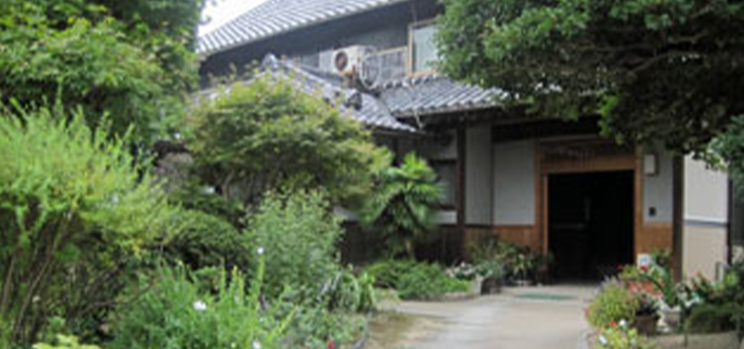
Founded in Taisho 12. Located in the main production area of ​​Bizen rice, it uses good rice such as the United States and Japan to make rich sake. Aate farmers are making rice in summer and brewing in winter. In addition, the manager himself has joined the sake brewing, and all the breweries are working hard, and they are working on high -quality sake brewing in a once -in -a -lifetime way. The name of the sake "Momo no Sato" is derived from the fact that in 1955, the Emperor Showa was breeding to commemorate the prosperity of the main book 35 when he cruised to the area. 。
BrandMomonosato
Address1113 Kawamoto Akaiwa Okayama

No reviews yet. Be the first to review!
🥇
Yakitori (Salt)
Japanese
★★★★☆
Traditional balance ideal for Japanese cuisine
🥈
Chawanmushi
Japanese
★★★★☆
Traditional balance ideal for Japanese cuisine
🥉
Saikyo-zuke Fish
Japanese
★★★★☆
Traditional balance ideal for Japanese cuisine
4
Shabu-shabu
Japanese
★★★★☆
Traditional balance ideal for Japanese cuisine
5
Mixed Hot Pot
Japanese
★★★★☆
Traditional balance ideal for Japanese cuisine
6
Soy Milk Hot Pot
Japanese
★★★★☆
Traditional balance ideal for Japanese cuisine
7
Green Curry
Spicy
★★★★☆
Light body refreshes the palate
8
Yakitori (Tare)
Japanese
★★★★☆
Traditional balance ideal for Japanese cuisine