Pull to refresh

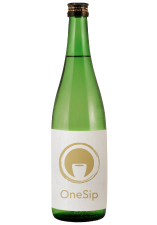
Momonosato Tanreikarakuchi Ginjo

Momonosato Tanreikarakuchi Ginjo - Ginjo sake from Akaiwashuzou Kabushikigaisha, Okayama
Description

Tanreikarakuchi (淡麗辛口) is a technical style descriptor meaning light-bodied and dry, most famously associated with Niigata Prefecture, and this Momonosato expression shows that Okayama's Akaiwashuzou can work deliberately within that framework. At 60% polishing within the ginjo classification, the sake prioritizes clean dryness and light aroma over richness or weight, and ginjo fermentation temperatures produce delicate, restrained fruit notes that fade into a sharp, dry finish. Akaiwa's warm climate typically encourages fuller-bodied expressions, making this tanreikarakuchi a deliberate exercise in restraint: less a reflection of the land's natural tendency than a demonstration of technical control deployed in service of a specific drinking occasion.

Specifications
CategoryGinjo
RegionOkayama
Polish Ratio60%
Flavor Profile
Sweet
Dry
Light
Full
Crisp
Rich
Low Acid
High Acid
Smooth
Complex
Sake TypeWhat is Ginjo?

Light and fragrant with delicate floral and fruit aromas.

Learn more about Ginjo

Price information is only available in Japan.

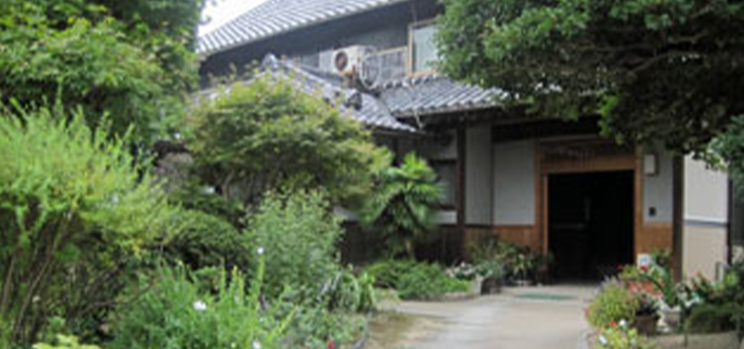
Akaiwashuzou Kabushikigaisha

Okayama
Founded in Taisho 12. Located in the main production area of ​​Bizen rice, it uses good rice such as the United States and Japan to make rich sake. Aate farmers are making rice in summer and brewing in winter. In addition, the manager himself has joined the sake brewing, and all the breweries are working hard, and they are working on high -quality sake brewing in a once -in -a -lifetime way. The name of the sake "Momo no Sato" is derived from the fact that in 1955, the Emperor Showa was breeding to commemorate the prosperity of the main book 35 when he cruised to the area. 。
BrandMomonosato
Address1113 Kawamoto Akaiwa Okayama

No reviews yet. Be the first to review!
🥇
Yakitori (Salt)
Japanese
★★★★☆
Traditional balance ideal for Japanese cuisine
🥈
Chawanmushi
Japanese
★★★★☆
Traditional balance ideal for Japanese cuisine
🥉
Saikyo-zuke Fish
Japanese
★★★★☆
Traditional balance ideal for Japanese cuisine
4
Shabu-shabu
Japanese
★★★★☆
Traditional balance ideal for Japanese cuisine
5
Mixed Hot Pot
Japanese
★★★★☆
Traditional balance ideal for Japanese cuisine
6
Soy Milk Hot Pot
Japanese
★★★★☆
Traditional balance ideal for Japanese cuisine
7
Green Curry
Spicy
★★★★☆
Light body refreshes the palate
8
Yakitori (Tare)
Japanese
★★★★☆
Traditional balance ideal for Japanese cuisine