Pull to refresh

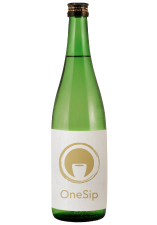
Ginjo Asahimainoshizuku

🍶
Description

Akaiwashuzou's Ginjo Asahimainoshizuku, meaning 'Drops of Asahi Rice,' is named after Asahi, an heirloom sake rice variety native to Okayama that predates the modern dominance of Yamada Nishiki. Asahi rice produces sake with a distinctive soft, round sweetness and earthy depth quite different from the bright, fruit-forward character of Yamada Nishiki-based ginjo, making it a marker of Okayama's regional identity. Okayama Prefecture is one of the few regions where both Asahi and Omachi rice are cultivated and used exclusively by local breweries, supported by the prefecture's mild, sunny climate, which offers the highest number of clear days of any prefecture in Japan. As a ginjo polished to at least 60%, the sake balances preserving Asahi's inherent character while developing the refined fragrance associated with the grade.

Specifications
CategoryGinjo
RegionOkayama
RiceAsahi
Polish Ratio50%
Flavor Profile
Sweet
Dry
Light
Full
Crisp
Rich
Low Acid
High Acid
Smooth
Complex
Sake TypeWhat is Ginjo?

Light and fragrant with delicate floral and fruit aromas.

Learn more about Ginjo

Price information is only available in Japan.

Akaiwashuzou Kabushikigaisha

Okayama
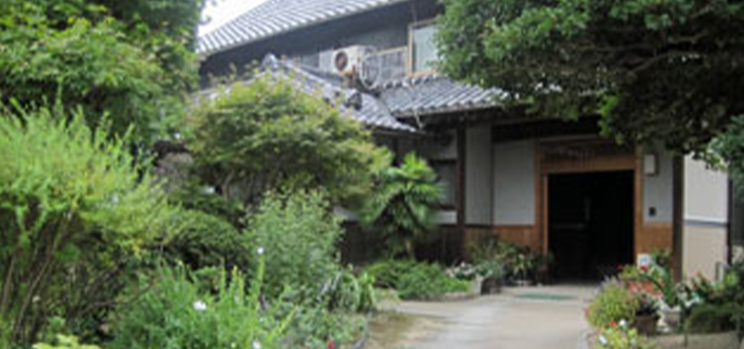
Founded in Taisho 12. Located in the main production area of ​​Bizen rice, it uses good rice such as the United States and Japan to make rich sake. Aate farmers are making rice in summer and brewing in winter. In addition, the manager himself has joined the sake brewing, and all the breweries are working hard, and they are working on high -quality sake brewing in a once -in -a -lifetime way. The name of the sake "Momo no Sato" is derived from the fact that in 1955, the Emperor Showa was breeding to commemorate the prosperity of the main book 35 when he cruised to the area. 。
BrandMomonosato
Address1113 Kawamoto Akaiwa Okayama

No reviews yet. Be the first to review!
🥇
Yakitori (Salt)
Japanese
★★★★☆
Traditional balance ideal for Japanese cuisine
🥈
Chawanmushi
Japanese
★★★★☆
Traditional balance ideal for Japanese cuisine
🥉
Saikyo-zuke Fish
Japanese
★★★★☆
Traditional balance ideal for Japanese cuisine
4
Shabu-shabu
Japanese
★★★★☆
Traditional balance ideal for Japanese cuisine
5
Mixed Hot Pot
Japanese
★★★★☆
Traditional balance ideal for Japanese cuisine
6
Soy Milk Hot Pot
Japanese
★★★★☆
Traditional balance ideal for Japanese cuisine
7
Green Curry
Spicy
★★★★☆
Light body refreshes the palate
8
Yakitori (Tare)
Japanese
★★★★☆
Traditional balance ideal for Japanese cuisine