

Conocer
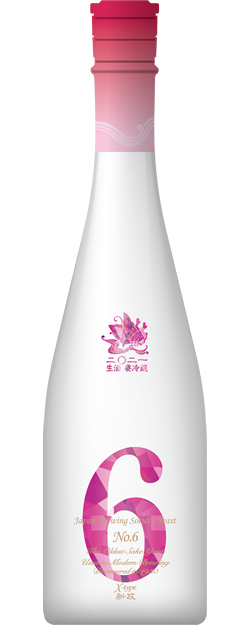
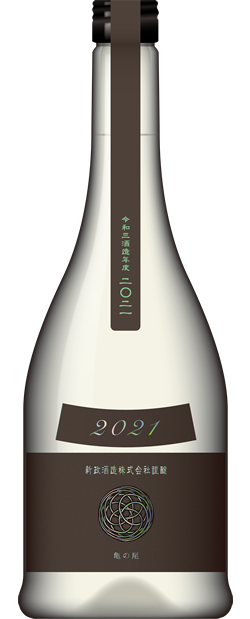
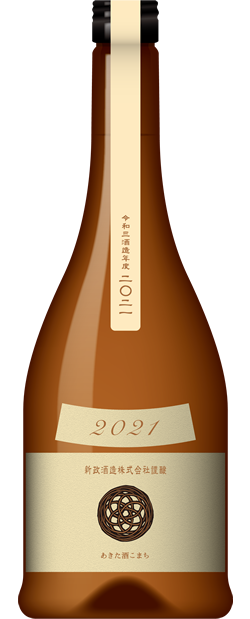
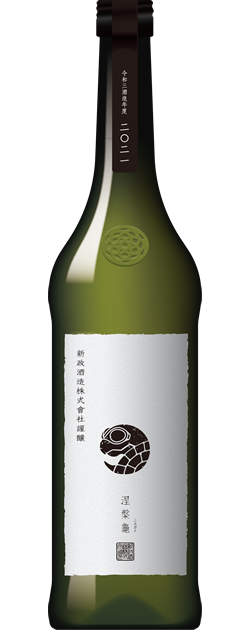
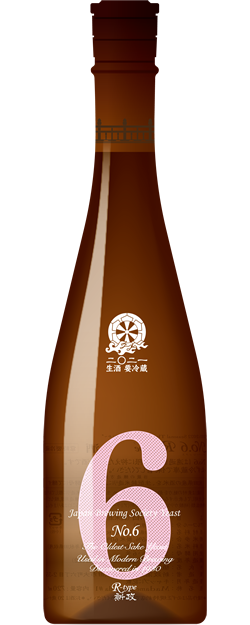
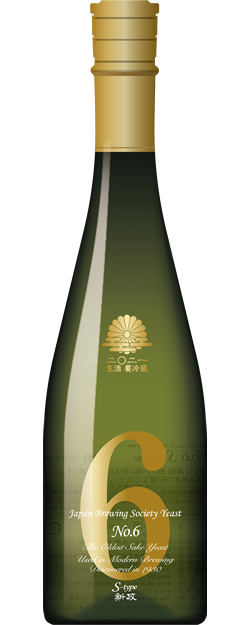
Under the policy of "brewing rice from Akita Prefecture and brewed by pure rice by pure rice by pure rice", we use sake rice cultivated in Akita Prefecture, and use natural lactic acid bacteria for sake bacteria. Only "Raw", which requires, is brewed in "Kyokai No. 6" (No. 6 yeast) collected in 1930. In addition, we are actively working on brewing in "wooden tubs" tightened with bamboo bamboo combination of cedar boards. Even if you wash the wooden tub, which is a natural material, the microorganisms continue to remain in the gaps on the surface of the surface, so the brewing that makes the most of the natural life activity, including "raw", is completed for the first time using a wooden tub. It can be said to be the technology to do. Furthermore, in the mountains of the east of Akita City, the landscape of the original landscape of Japan spreads "cormorant" (Usa no), as a pesticide and scientific fertilizer in search of the organic connection between natural ecosystems, agriculture, and brewing. The cultivation of unreliable sake rice has begun. Shinsei Sake Brewery continues to take various challenges in search of the original sake while respecting the region.
- Fundada en
- 1852
- Marcas principales
- Aramasa
- Tipos de sake
- Junmai
- Ubicación
- Más sake de Akita →
- Oficial
- aramasa.jp
Visitar
- Dirección
- 6-2-35 Omachi Akita Akita
- Tienda
- No
Comprar
Aramasa
33 sakés · ★ 4.1 (4 valoraciones)- Sin precioRAE de Hong Kong (China) HK$995.00〜 +1
- ¥31,900〜9 tiendas
- Sin precioEstados Unidos $700.00〜
- Sin precioTaiwán NT$11,500.00〜 +1
- ¥27,900〜3 tiendas
- Sin precioRAE de Hong Kong (China) HK$2,480.00〜
- Sin precioRAE de Hong Kong (China) HK$4,288.00〜
- Sin precioTaiwán NT$1,180.00〜 +1
- Sin precioRAE de Hong Kong (China) HK$1,228.00〜 +1
- Sin precioRAE de Hong Kong (China) HK$1,188.00〜
- Sin precioRAE de Hong Kong (China) HK$938.00〜
- Sin precioRAE de Hong Kong (China) HK$898.00〜 +1
- Sin precioRAE de Hong Kong (China) HK$1,188.00〜
- Sin precioRAE de Hong Kong (China) HK$1,288.00〜
- Sin precioRAE de Hong Kong (China) HK$1,338.00〜
- Sin precioRAE de Hong Kong (China) HK$898.00〜
- Sin precioEstados Unidos $420.00〜 +1
- Sin precioRAE de Hong Kong (China) HK$898.00〜 +2
- ¥22,000〜7 tiendas
- Sin precioRAE de Hong Kong (China) HK$1,198.00〜 +1
- Sin precioSingapur SGD 94.00〜 +1
- Sin precioTaiwán NT$9,480.00〜 +2
- Sin precioSingapur SGD 115.00〜 +1
- Sin precioSingapur SGD 140.00〜 +2
- Sin precioRAE de Hong Kong (China) HK$1,180.00〜 +1
- Sin precioRAE de Hong Kong (China) HK$1,988.00〜
- Sin precio
- Sin precio
- Sin precio
- Sin precio
- Sin precio
- Sin precio
- Sin precio












Trayectoria
- 1852Founded in the Kaei era (1852) by Uhee Sato; known locally as "Uhee's sake."
- 1930In Showa 5 (1930), a superior yeast strain (later Kyokai No. 6) was isolated from the brewery's moromi by a National Tax Agency technician.
- 1935In Showa 10 (1935), Kyokai No. 6 yeast was distributed nationwide, becoming the genetic ancestor of subsequent sake yeasts.
- 2008From the 2008-09 brewing year, shifted to a brewing team of staff averaging in their early thirties.
- 2009From the 2009-10 brewing year, limited yeast use exclusively to Kyokai No. 6 strains.
- 2010From the 2010-11 brewing year, limited rice sourcing to rice grown in Akita Prefecture only.
- 2012By the 2012-13 brewing year, completed the transition to all-junmai production.
- 2015From the 2015-16 brewing year, discontinued sokujo starters in favor of kimoto exclusively, becoming a "kimoto junmai brewery."