
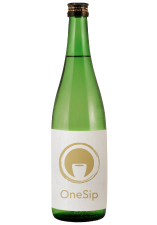
● The secret story of the birth of Masamune Kotobuki The "Koshiyama Masamune", which had been used until the Taisho era, was abolished, and "Ski Masamune" was born in 1945. During World War II, various katakana names were treated as enemy words and became difficult to use. Some large companies have left katakana names such as national and sharp, but it seems that they often use kanji for product names that are relatively easy to change. Our ski Masamune also continued to write the notation as "Kotobuki Masamune" and use the enemy word until the end of the war. This time, Kotobuki Masamune was revived as a series of Daiginjo, Junmai Daiginjo, and Junmai Ginjo. ● Explanation of alcohol This Junmai Daiginjo uses a brewing -friendly rice that can only be used by a sake brewer in Niigata Prefecture called Koshi Tanrei. Rice rice is 50 %. The Kotobuki Series is devised to use koji and koji rice, and it is a liquor that increases the taste by aging more and more. Koji -making creates a plump flavor in a way that is called a sticky way. By devising how to use koji rice, it has a neat aftertaste.
The pinnacle of sake — pure rice, no added alcohol, extraordinary precision.
Learn more about Junmai DaiginjoMusashino Shuzo Co.,Ltd


More from this Brewery
No reviews yet. Be the first to review!