
🍶
Description
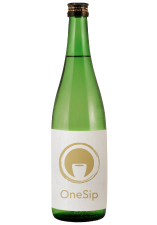
BANSHUIKKON SHIPPOU JUNMAIDAIGINJOU KITANISHIKI NAMA
Specifications
CategoryJunmai Daiginjo
RegionHyogo · Hyogo Junmai Daiginjo →
BrewerySanyouhai Shuzo
BrandBanshu Ikkon
ABV16%
Polish Ratio50%
Flavor Profile
Subtle
Aromatic
Light
Full
Estimated from the category and polishing ratio, not a measurement of this bottle.
Sake TypeWhat is Junmai Daiginjo?
The pinnacle of sake — pure rice, no added alcohol, extraordinary precision.
Learn more about Junmai DaiginjoWhere to Buy
Loading prices...
Reviews
Check-ins & reviews (0)
No reviews yet. Be the first to review!
Sanyouhai Shuzo
Hyogo
We are located in Yamazaki -cho, Shiso, Hyogo, the former castle town, where Takase boat once carried rice and timber. About 180 years ago, it was founded in 1837 in the Edo period.
In addition, one theory of Banshu's historical book "Harima Fudoki" is left as a literature that Iwa Ogami (good wolf) was first brewed in this area. Currently, the sixth generation head is trying to protect the history of the warehouse and connect to the next generation.
Banshu Ichisen is based on how to pursue the quality of the sake that matches the meal. The scent is modest, and the softness and lingering in the mouth disappear neatly so that the sake itself does not claim too much and can be the best complement of the dishes. Is important.
The Banshu area, where we are located, is blessed with high quality rice in Japan, one of Japan's best -produced granary callations in Japan, which produces Japan's leading sake rice Yamada Nishiki. In addition, the watering water uses the highest mountain in Hyogo Prefecture, the underwater water (soft water). It is brewed by Tajima Mori's traditional technique after using its high quality ingredients. Immersion is strictly calculated limited water absorption and preparation tanks are based on small formation, and are not compromised. The sake made in this way is poured one by one, and the bottle is stored in the refrigerator set at about 0 degrees. In addition, we are working on long -term aging in the mine, using the site of the "Meishin Mine" in the Tajima area.
We are aiming for such sake brewing that can keep the next step up while keeping the tradition.
In Shiso City, Hyogo Prefecture, where we are, about 90 % of the area is a forest area, and there are more than half of the mountains that exceed thousand meters in the prefecture. In addition, the clear stream, Ibogawa and the Chikusawa River, which represents the prefecture. The headwaters flow out of this Shiso. There are various large and small waterfalls in this mountain stream, such as the famous waterfall "Hara Fudo Falls" selected for the 100th Waterfall in Japan. In the summer, there is a sweetfish that has become a grand prix at the national dominant sweetfish, and a peony pot using boar meat in winter.
Est.1837
BrandBanshu-Ikkon
AddressYamazaki Yamazaki Shiso Hyogo


More from this Brewery
Pairings
Food type guide
A general guide based on this sake’s category, not an analysis of this particular bottle.Chawanmushi
Japanese
Saikyo-zuke Fish
Japanese
Mixed Hot Pot
Japanese
Soy Milk Hot Pot
Japanese
Yakitori (Salt)
Japanese
Yakitori (Tare)
Japanese
Simmered Fish
Japanese
Oden
Japanese